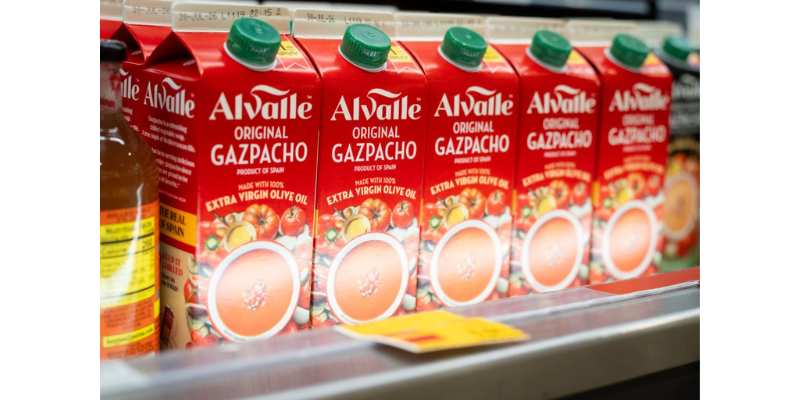
PepsiCo entered another category outside its traditional snack and beverage business on August 5, 2026, when it announced the U.S. launch of Alvalle Gazpacho, a refrigerated Spanish-style cold soup, in select Whole Foods Market stores. The product has been sold in Europe for decades, but its arrival in the United States reflects a broader strategy to increase PepsiCo’s presence in refrigerated foods as consumer shopping habits continue shifting toward grocery perimeter departments.
The announcement raises questions beyond a single product launch. Selling refrigerated prepared foods requires different packaging, labeling, retailer relationships, and advertising practices than shelf stable products. It also places PepsiCo in direct competition with brands operating in fresh meal categories, where consumer expectations about ingredient quality, freshness, and product representations often create different legal risks than those found in the snack aisle.
Food Labeling Risks for Refrigerated Foods Marketed as Fresh
Alvalle is not a new brand. PepsiCo acquired the Spanish company in 1999, and the refrigerated gazpacho has since become an established product across several European markets. Rather than creating a new U.S. brand, PepsiCo is introducing an existing portfolio asset into a market where refrigerated convenience foods continue to gain shelf space.
The launch follows several related investments. In 2024, PepsiCo acquired the remaining ownership interests in Sabra and Obela, giving it full ownership of two leading refrigerated dip brands. Earlier in 2026, the company introduced refrigerated Tostitos guacamole and expanded Alvalle in Europe with ready-to-heat vegetable soups designed to reduce the brand’s dependence on seasonal summer sales.
Taken together, these developments show a coordinated portfolio strategy. PepsiCo is expanding from products traditionally sold in center store grocery aisles into refrigerated categories where consumers increasingly shop for convenient meals, fresh ingredients, and prepared foods.
That business strategy also changes the company’s legal considerations. Fresh food products generally involve shorter shelf lives, refrigerated distribution, different retailer handling practices, and marketing that frequently emphasizes freshness, quality, and ingredient sourcing. Each of those representations should be supported across product packaging, advertising, retailer listings, and digital marketing.
How Can Freshness Claims Create Food Labeling Liability?
Unlike many traditional packaged foods, refrigerated soups are commonly marketed using terms such as “fresh,” “refrigerated,” “made with vegetables,” or references to ingredient quality. Those descriptions may appear straightforward, but they can become the focus of consumer litigation if shoppers believe marketing creates expectations that exceed the product’s actual characteristics.
This creates what may be the most overlooked legal issue surrounding PepsiCo’s expansion. The legal exposure does not necessarily arise from selling gazpacho. It arises from how consumers interpret marketing statements when purchasing products from the refrigerated section.
Courts evaluating false advertising claims often focus on the overall impression created by product packaging rather than isolated words. A combination of product placement, imagery, ingredient references, colors, and advertising can influence whether consumers believe a product possesses qualities that were never expressly stated. As PepsiCo introduces Alvalle to U.S. shoppers who may be unfamiliar with refrigerated gazpacho, consumer perception becomes an important part of product representation risk.
This issue extends beyond federal food labeling requirements. State consumer protection statutes and false advertising laws frequently examine whether marketing could reasonably mislead an ordinary purchaser, even when individual statements are technically accurate. That distinction represents an important legal gap for companies entering new product categories, particularly where consumer expectations have not yet been established.
Packaging, Food Labeling, and Trademark Issues in Product Expansion
Launching an established international brand into the United States involves more than securing trademark rights. PepsiCo must coordinate intellectual property, packaging, labeling, retailer communications, and marketing claims throughout the product’s commercial rollout.
For refrigerated foods, portfolio management often includes reviewing:
- Packaging representations and freshness claims
- Ingredient descriptions across digital and retail platforms
- Product photography and serving suggestions
- Retailer product descriptions and online listings
- Future line extensions that may affect existing brand messaging
These reviews become increasingly important when companies expand successful international brands into new jurisdictions. Marketing that accurately reflects consumer expectations in Europe may require adjustments for U.S. audiences because purchasing habits, regulatory guidance, and consumer perception standards differ between markets.
PepsiCo also appears to be positioning Alvalle as a broader refrigerated food platform rather than a seasonal soup product. Its earlier introduction of hot vegetable soups in Europe suggests the company may continue expanding the brand into additional refrigerated meal categories. That possibility increases the value of maintaining consistent brand positioning while preserving flexibility for future products.
STRATEGIC BY DESIGN: THE JURIS LAW GROUP PERSPECTIVE
As food and beverage attorneys in California, our work frequently involves evaluating how product representations evolve as brands enter new categories. Companies often devote considerable attention to trademarks during expansion, but packaging language, retailer content, and advertising claims typically create broader enforcement and litigation exposure after products reach the market.
The transition into refrigerated foods illustrates this point. A company introducing a premium refrigerated product should evaluate every consumer touchpoint rather than reviewing each representation independently. Ingredient descriptions, freshness messaging, photography, website content, retailer listings, and future advertising campaigns should communicate the same supportable message across every platform.
Our approach reflects a principle that has guided our practice for years: bigger is not better, better is better. Careful review before launch generally provides greater long-term value than responding to consumer challenges after a product has established its market position.
Strategic Outlook for PepsiCo’s Refrigerated Food Business
Over the next 12 months, PepsiCo will likely evaluate whether Alvalle can establish consistent demand beyond seasonal summer purchases. Distribution through Whole Foods provides an opportunity to measure consumer acceptance before considering broader retail expansion. If performance meets expectations, additional refrigerated products or European line extensions could follow in other grocery chains.
The broader consumer packaged goods industry is likely to continue investing in refrigerated meal categories as shoppers seek convenient products with recognizable ingredients. That trend will place greater attention on advertising liability, product representation risk, and state consumer protection claims involving freshness, ingredient quality, and premium positioning. Companies expanding established brands into refrigerated foods should expect those legal questions to receive increased scrutiny alongside traditional trademark and labeling issues.
Common Legal Inquiries
Can a refrigerated food company advertise a product as “fresh”?
Potentially, but the claim should accurately reflect how consumers are likely to understand the product. Courts often evaluate the overall impression created by packaging and advertising rather than focusing on a single word. Images, placement, ingredient descriptions, and surrounding marketing may all influence whether consumers believe a representation is misleading.
Does introducing an existing international brand into the U.S. create additional legal risks?
Yes. Consumer expectations, advertising standards, and state consumer protection laws differ across jurisdictions. Marketing that performs well in one country may require adjustments before being used in the United States, particularly for food products promoted around freshness, health attributes, or ingredient quality.
Why should companies review retailer product listings along with product packaging?
Consumers frequently make purchasing decisions using online retailer descriptions before seeing physical packaging. If website listings, digital advertisements, and product labels contain inconsistent representations, companies may face advertising liability or consumer protection claims even when the packaging itself is accurate.