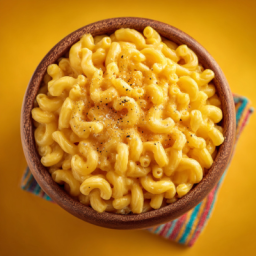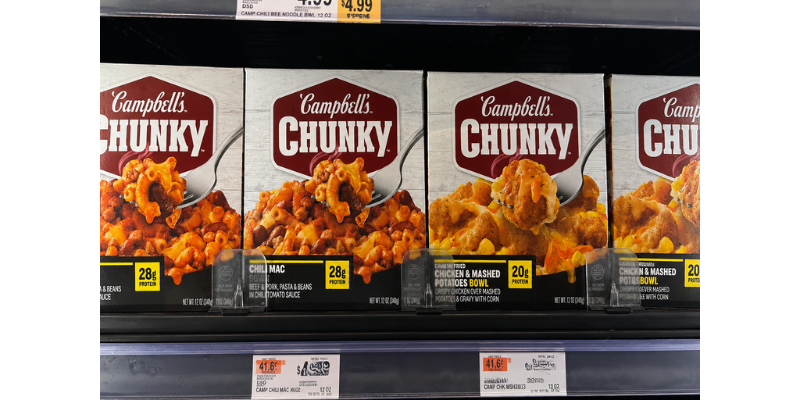
On July 27, 2026, The Campbell’s Company announced that Campbell’s Chunky is entering the frozen food aisle with a new line of Chunky Frozen Bowls, marking the first time one of its best-known soup brands has expanded into frozen entrées. The launch includes eight single-serve meals featuring comfort-food recipes such as Bacon Cheeseburger Mac & Cheese, Fried Chicken Mac & Cheese, Steak & Potatoes, and Chicken Alfredo, with each bowl containing 20 to 28 grams of protein.
At first glance, the announcement appears to be another product launch aimed at consumers seeking convenient, high-protein meals. From a legal perspective, however, the decision carries broader implications. Expanding an established food brand into a different category changes more than where the product is sold. It creates new labeling considerations, advertising obligations, trademark portfolio questions, and consumer expectation risks. Those issues will influence how Campbell develops the Chunky brand well beyond this initial launch.
Campbell’s Chunky Frozen Meals Bring New Labeling and Advertising Exposure
Campbell has explained that the new frozen bowls are designed to meet growing consumer demand for protein-rich meals that are easy to prepare. According to research cited by Food Dive, approximately 70% of Americans say they are trying to consume more protein, an increase from 59% just four years earlier. The company also pointed to changing eating habits, with frozen meals becoming a more common lunch and dinner option rather than an occasional convenience purchase.
Those market conditions help explain why Campbell selected the Chunky brand instead of introducing an entirely new frozen meal label. Chunky already has decades of recognition as a filling, hearty meal, allowing Campbell to extend existing brand equity into another section of the grocery store. That business decision also creates additional product representation responsibilities because the marketing message must remain accurate as the brand expands into products that consumers have never associated with Chunky before.
Protein claims receive particular attention under FDA labeling requirements. Statements highlighting “20 grams of protein” or similar nutrient content claims must satisfy applicable federal standards, and companies should ensure those statements remain consistent across packaging, websites, retailer listings, and advertising materials. As marketing evolves, additional messaging about satiety, meal satisfaction, or health benefits may require separate substantiation depending on how those claims are presented.
Brand Extension Creates New Consumer Expectation Risks Beyond Trademark Registration
Many articles covering Campbell’s announcement focus on the company’s strategy of extending an established brand into another food category. That discussion often stops at marketing. The more overlooked legal question is whether consumers will carry their existing expectations about Chunky soup into an entirely different type of product.
Consumers recognize Chunky as a soup brand. The frozen bowls, however, include pasta dishes, steak meals, chicken Alfredo, and macaroni and cheese. Although brand extensions are common throughout the consumer packaged goods industry, companies must carefully manage how familiar branding influences purchasing decisions. Packaging, advertising, and product descriptions should clearly communicate what consumers are buying while preserving the identity that made the original brand successful.
This becomes increasingly important because brand recognition often shapes purchasing decisions within seconds. If the overall presentation creates expectations that differ from the product consumers ultimately receive, the company may face false advertising allegations under state consumer protection laws or challenges regarding deceptive marketing practices. The legal analysis extends beyond whether the statements are technically accurate and considers how reasonable consumers are likely to interpret the overall presentation.
That consumer perception standard represents one of the least discussed aspects of brand extension. Companies often focus on securing trademark protection for new product categories while giving less attention to whether the expanded brand communicates consistent expectations across multiple types of products.
Trademark Portfolio Management Becomes More Important as Campbell Expands Chunky
The frozen meal launch is also part of a broader pattern that has emerged throughout 2026. Rather than investing heavily in entirely new brands, Campbell has continued expanding established brands into adjacent categories.
Earlier this year, Campbell introduced a new line of Protein Soups containing 20 grams of protein per can, partnered with Buffalo Wild Wings on Chunky soup flavors, collaborated with Banza on gluten-free soup products, and expanded into canned cooking sauces. The frozen bowls continue that strategy by extending Chunky beyond the soup aisle.
From an intellectual property perspective, each expansion requires careful portfolio management. Trademark registrations that originally covered soup products may need to support additional categories as the brand grows. International filings, enforcement strategies, licensing arrangements, and future product development should also align with the company’s long-term plans for the Chunky brand.
Packaging also becomes more important in the freezer aisle. Chunky now competes directly with brands such as Stouffer’s, Lean Cuisine, Marie Callender’s, Banquet, and numerous private-label frozen meals. Campbell must preserve the visual identity consumers recognize while ensuring its packaging remains distinctive among competing frozen products.
strategic by design: The Juris Law Group Perspective
At Juris Law Group, our Food & Beverage attorneys regularly advise consumer product companies on brand expansions that extend well beyond trademark filings. A successful product launch requires every public facing representation, from packaging and labeling to retailer content, advertising, and future product expansion, to support a consistent legal and business strategy. That approach reflects a principle that guides our work: Bigger is not better, better is better®. Building a stronger brand depends on disciplined execution rather than expanding into additional categories.
Product claims also deserve ongoing review after launch. A company may begin by promoting measurable protein content and later introduce messaging about energy, fullness, or wellness. Each new claim should be supported before it appears on packaging or digital platforms to reduce advertising liability and preserve flexibility as the brand grows.
Campbell’s Frozen Meal Expansion May Shape Future CPG Brand Strategies
Campbell’s decision reflects a broader shift occurring throughout the food industry. Companies increasingly rely on established brands because developing entirely new consumer brands requires substantial investment and carries a high failure rate. Extending trusted brands into adjacent categories offers a more efficient path for growth, provided companies maintain clear product messaging and consistent brand identity.
Over the next 12 months, Campbell will likely evaluate whether Chunky can continue expanding beyond frozen bowls into additional meal formats or protein-focused products. Any future expansion will require the company to maintain consistency across trademark protection, advertising claims, and consumer communications as the portfolio grows.
The broader consumer packaged goods industry is likely to follow a similar approach. As demand for convenient, protein-rich foods continues to increase, more manufacturers may rely on existing brands to enter new categories rather than launching unfamiliar names. That strategy offers commercial advantages, but it also increases the importance of managing labeling exposure, advertising liability, trademark portfolios, and consumer perception from the earliest stages of product development.
Common Legal Inquiries
Does expanding a food brand into a new product category require new trademark protection?
Often, yes. Existing trademark registrations may not fully cover additional product categories. Companies should evaluate whether new applications, international filings, or portfolio updates are appropriate before expanding into adjacent markets.
Can protein claims on frozen meals create legal exposure?
Yes. Nutrient content claims must comply with FDA labeling requirements and remain consistent across packaging, advertising, websites, and retailer listings. Companies should also evaluate whether related marketing messages imply health or performance benefits that require additional substantiation.
Why do consumer expectations matter when extending an established food brand?
Courts and regulators frequently consider how reasonable consumers interpret product packaging and advertising as a whole. Even when individual statements are accurate, the overall presentation of an established brand in a new category may create consumer perception issues that increase false advertising or deceptive marketing risk.