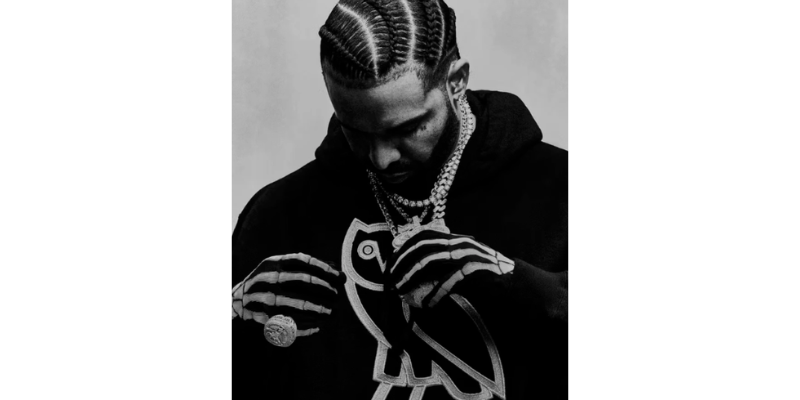
On August 27, 2026, Authentic Brands Group announced that it had acquired a majority interest in the intellectual property of October’s Very Own, the lifestyle and apparel brand co-founded by Drake, Oliver El-Khatib and Noah “40” Shebib. The transaction closed on August 24 and places OVO within a structure increasingly used to scale established consumer brands: the intellectual property sits with one ownership group while another company operates much of the underlying business.
Drake remains substantially invested in OVO and will continue shaping its creative direction. Vince Holding Corp., meanwhile, acquired OVO’s operating business and became its core apparel licensee, taking responsibility for design, product development, merchandising and retail operations. The arrangement illustrates how trademark ownership, operating control and creative involvement can be divided without requiring the brand itself to be transferred wholesale to a single buyer.
OVO’s IP Licensing Structure Separates Trademarks From the Operating Business
Authentic’s transaction gives it a 51% interest in the entity holding OVO’s intellectual property, while Drake retains a 44% interest and Vince holds the remaining 5%. OVO’s intellectual property includes the assets supporting a brand known for its owl logo, black-and-gold identity, apparel and accessories. Authentic reported on August 27 that OVO currently has 12 flagship stores and a worldwide e-commerce presence.
The operating side is different. Vince acquired the OVO operating companies and, under the transaction structure, became responsible for major commercial functions associated with selling OVO products. A license agreement dated August 24, 2026 authorizes Vince to use OVO intellectual property as the brand’s core apparel and retail licensee.
That distinction matters for consumer-product companies. Owning the company that designs or distributes branded products does not automatically mean owning the trademarks associated with those products. When IP and operations reside in separate entities, the license agreement becomes the document that defines how the operating company may commercially use the brand.
Authentic has used similar structures elsewhere in its portfolio. Its business model centers on ownership and investment in intellectual property combined with a network of specialized licensees and strategic partners. Authentic reports that its network now includes more than 1,700 licensees and strategic partners across 150 countries.
OVO’s Trademark License Defines Products, Territories and Royalties
The OVO arrangement demonstrates why an IP licensing agreement requires considerably more detail than permission to place a trademark on merchandise. Vince’s rights cover core product categories that include ready-to-wear sportswear, outerwear and golf apparel, along with specified accessories and related products. The agreement also allocates geographic rights, with the United States and Canada serving as core territories and additional international rights governed by the contract.
The commercial terms provide another useful example. Vince is required to pay royalties based on net sales, with rates differing depending on the applicable sales channel. The agreement also contains guaranteed minimum royalties and minimum sales requirements that increase over time. Those provisions allow the IP owner to participate in growth while establishing minimum economic expectations for the licensee.
The initial term extends through Vince’s 2036 fiscal year, subject to renewal provisions. For a brand owner, a license of that duration can create substantial commercial value, but it also makes provisions governing exclusivity, product categories, territories, termination rights, performance standards and future expansion more consequential.
OVO is particularly suited to that model because its commercial identity already extends beyond conventional apparel sales. The brand has used collaborations and limited releases to reinforce its positioning, including an August 2026 collaboration with UFC. As Authentic seeks to expand OVO into additional markets and businesses, the allocation of collaboration rights, new product categories and sublicensing authority may determine which party can pursue each opportunity.
Trademark Quality Control Is the Overlooked Risk in Brand Licensing
The less visible legal issue in a transaction like OVO’s is trademark quality control. Under U.S. trademark law, an owner that licenses its marks generally must retain appropriate control over the nature and quality of the goods or services offered under those marks. A trademark license therefore serves a brand-protection function in addition to allocating economic rights.
This becomes particularly relevant when the entity owning the trademark is separated from the company actually designing, sourcing, merchandising and selling the products. Authentic has an interest in maintaining the goodwill associated with OVO while Vince needs enough operational authority to manage an international apparel business. Contractual approval rights, quality standards, brand guidelines, inspection mechanisms and remedies for unauthorized uses can help reconcile those interests.
Inadequate quality control can create what trademark law refers to as “naked licensing.” In severe circumstances, uncontrolled licensing can weaken the trademark owner’s rights because a trademark is supposed to identify goods or services whose quality remains under the owner’s control. For consumer brands considering a licensing strategy, this issue can be more consequential than the royalty percentage receiving most of the attention during negotiations.
The same concern extends to future licensees. If OVO expands into new consumer-product categories, each additional license can introduce another manufacturer or operator using the same intellectual property. Portfolio management therefore requires coordination across categories so that expansion does not dilute the brand identity that made the IP commercially valuable.
strategic by design: The Juris Law Group Perspective
For established consumer brands, the OVO transaction illustrates why intellectual property should be treated as a separate business asset before a licensing, investment or acquisition opportunity arises. Trademark registrations, ownership records, license rights and agreements with founders, designers and collaborators can determine what a company actually has available to sell or license.
Our IP attorneys frequently assess these issues in the context of consumer-product growth. A licensing strategy should identify the IP being licensed, the products and territories covered, exclusivity, royalties, minimum performance obligations, quality-control rights, advertising standards, sublicensing authority, enforcement responsibilities and exit provisions. Those terms become particularly important when one company owns the brand while another controls the consumer-facing business.
Juris Law Group approaches these structures under its registered philosophy, “Bigger is not better, better is better®.” For brand licensing, that often means building rights around the actual commercial strategy rather than granting unnecessarily broad permissions that become difficult to unwind as the brand expands. A carefully structured license can preserve future categories and territories while giving the licensee enough certainty to invest in growth.
Strategic Outlook for OVO and Consumer Brand Licensing
Over the next 12 months, the OVO transaction will likely be measured by how Authentic and Vince translate the new ownership structure into commercial expansion without disrupting the identity associated with Drake and the existing OVO business. Authentic expressly identified new markets and businesses as opportunities for OVO, while Vince brings an established apparel operating platform. Future category extensions, international distribution arrangements and collaborations will provide clearer evidence of how aggressively Authentic intends to monetize OVO’s intellectual property beyond its current channels.
For the broader consumer-products sector, the transaction reinforces the value of separating intellectual property analysis from operating-company analysis. Founders preparing for investment, licensing or acquisition discussions should know who owns the trademarks, which categories remain available, whether existing agreements restrict future licenses and what controls protect brand quality. OVO is a current example of how valuable consumer IP can remain separately owned while a specialized operator takes responsibility for bringing the branded products to market.
Common Legal Inquiries
What is an IP licensing agreement for a consumer brand?
An IP licensing agreement allows another company to use specified intellectual property, such as trademarks, logos or other brand assets, under negotiated conditions. The agreement typically addresses permitted products, territories, sales channels, royalties, quality standards, exclusivity, sublicensing and termination rights while leaving ownership of the licensed IP with the licensor.
Can one company own a trademark while another operates the brand?
Yes. A company can own the trademark and license it to a separate company that manufactures, markets, distributes or sells the branded products. The OVO transaction uses this type of separation, with an Authentic-controlled entity holding the IP while Vince operates major portions of the apparel and retail business under license.
Why does quality control matter in a trademark licensing agreement?
Trademark owners generally need to maintain appropriate control over the quality of goods and services sold under licensed marks. A well-drafted agreement can establish product standards, approval procedures and other controls. Failure to maintain adequate control can create naked-licensing concerns and potentially weaken the trademark rights the licensing arrangement is intended to monetize.