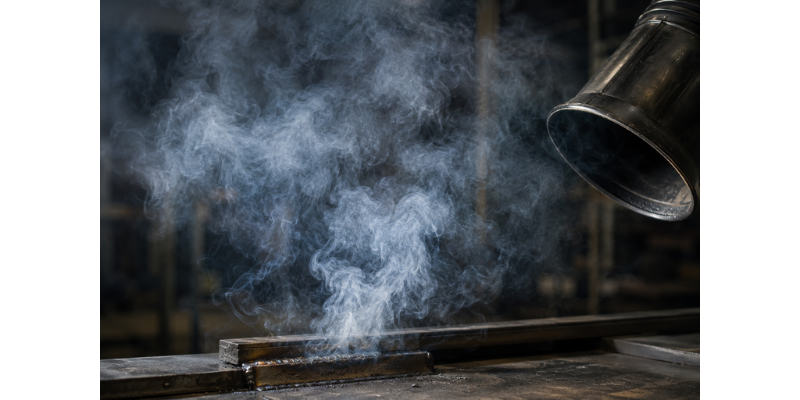
California’s Office of Environmental Health Hazard Assessment (OEHHA) has initiated the process to add welding fumes to the Proposition 65 list of chemicals known to cause cancer. The agency’s May 2026 notice proposes the listing through the Labor Code mechanism after determining that welding fumes satisfy the statutory criteria tied to International Agency for Research on Cancer (IARC) classifications.
The proposal creates broader exposure than a conventional workplace safety issue. Welding fumes are generated across multiple industries, including automotive manufacturing, aerospace fabrication, construction materials, and industrial maintenance. Once listed, businesses operating in California may face warning obligations, supply-chain disclosure demands, and private enforcement exposure under Proposition 65.
The legal tension is amplified by the nature of the substance itself. Welding fumes are not a discrete ingredient capable of reformulation or removal from a product label. They are process-generated airborne emissions arising from routine industrial activity. That distinction creates a more complex enforcement environment than traditional Proposition 65 cases involving additives, solvents, or packaging chemicals.
OEHHA’s Welding Fumes Determination Alters Proposition 65 Enforcement Exposure
OEHHA stated that the proposed listing is based on IARC’s classification of welding fumes as a Group 1 carcinogen in its monograph addressing welding-related substances. Under California Health and Safety Code section 25249.8(a), chemicals identified through the Labor Code mechanism must be added to the Proposition 65 list if they meet the applicable statutory criteria.
The agency also clarified that the proceeding is considered ministerial in nature. Public comments are limited to whether IARC sufficiently identified welding fumes as carcinogenic. OEHHA expressly stated that it will not evaluate broader scientific disputes regarding the weight or quality of the underlying evidence. That procedural limitation narrows the practical path for industry opposition during the comment period.
Industrial companies now face a familiar Proposition 65 sequence. Once a substance is listed, enforcement pressure generally shifts toward warning adequacy, exposure assessment methodology, and private plaintiff activity. Welding fumes may create a particularly difficult environment because exposure conditions vary depending on ventilation systems, welding methods, consumable materials, and duration of use.
The proposed listing also reaches beyond companies that directly perform welding. Product manufacturers selling fabricated metal goods, industrial systems, or assembled components may encounter downstream contractual demands from distributors and retailers seeking indemnification or warning assurances. National brands frequently adjust operational standards across all jurisdictions rather than maintain California-specific systems.
Product Representation Risk for Welding Equipment and Fabricated Goods
The overlooked legal gap in the welding fumes proposal concerns product representation risk rather than the warning requirement itself. Proposition 65 litigation often expands when a listed substance intersects with marketing language suggesting safety, cleanliness, or reduced emissions.
Industrial equipment manufacturers routinely market welding systems and fabrication products using phrases such as:
- “Clean welding technology”
- “Low-emission operation”
- “Worker-friendly manufacturing”
- “Advanced fabrication safety”
Those representations may create parallel advertising exposure if plaintiffs argue that Proposition 65 warnings conflict with broader marketing claims. The issue becomes more pronounced when companies emphasize environmental or workplace safety initiatives in investor materials and procurement documentation.
That exposure pathway extends beyond California’s warning statute. Competitors and private litigants may attempt to connect Proposition 65 allegations to California false advertising statutes or Lanham Act disputes involving comparative safety claims. A company marketing a welding system as “reduced hazard” technology may later face scrutiny regarding the scientific basis for those statements once welding fumes appear on the Proposition 65 list.
Businesses may therefore need to reevaluate technical data sheets, workplace manuals, distributor marketing materials, and supplier indemnity provisions. For many industrial brands, the primary risk will not arise from a state enforcement action initiated by regulators. It will emerge from private plaintiff firms examining whether existing warnings and marketing language can coexist without creating consumer deception arguments.
Supply Chain and Workplace Warning Obligations After a Welding Fumes Listing
Proposition 65 operates differently from federal occupational safety systems such as OSHA. OSHA regulates workplace exposure standards and industrial safety protocols. Proposition 65 instead focuses on exposure warnings to individuals in California.
That distinction creates compliance overlap for industrial companies already operating under detailed federal welding safety requirements. A manufacturer may satisfy OSHA ventilation and respiratory protection obligations while still confronting Proposition 65 warning exposure claims because the statutes address different legal standards.
The welding fumes proposal also raises unresolved questions regarding the scope of required warnings. Welding occurs in factories, construction sites, repair facilities, shipyards, and field-service environments. Consumer exposure scenarios may also emerge where end users interact with welding products in enclosed settings.
Businesses will likely need to assess whether workplace postings require revision, whether distributor agreements allocate Proposition 65 responsibility, and whether California-facing websites require updated disclosures. The absence of a discrete chemical threshold adds another layer of uncertainty because welding fumes consist of varying airborne mixtures generated during metal joining processes. Exposure modeling therefore becomes highly fact-specific.
The Juris Law Group Perspective on Proposition 65 Enforcement
Once a chemical or exposure pathway becomes associated with cancer warnings, the issue often expands into advertising liability, portfolio management, and brand positioning analysis.
As Proposition 65 attorneys in California, we assess how enforcement risk intersects with broader commercial messaging. Welding fumes present a particularly sensitive category because the underlying activity is central to industrial manufacturing itself. Companies cannot simply remove welding from the production chain in the way consumer brands sometimes reformulate ingredients or packaging materials.
We monitor how industrial companies describe workplace safety and technical performance in marketing materials. Statements regarding “clean manufacturing,” “advanced fabrication safety,” or “reduced emissions” may attract scrutiny when a related exposure pathway enters the Proposition 65 system.
Industrial Manufacturers Face Expanding Proposition 65 Pressure Through 2027
Over the next 12 months, industrial manufacturers should expect heightened scrutiny from supply-chain partners and California-focused retailers. Companies with welding-intensive operations may begin receiving contractual requests regarding Proposition 65 indemnification, disclosure obligations, or updated warning procedures. Public companies could also encounter investor questions regarding occupational exposure management tied to carcinogenic exposure allegations.
Private enforcement activity will likely concentrate first on industries with visible consumer-facing products or broad California distribution networks. Fabricated metal goods, automotive aftermarket products, industrial tools, and construction-related equipment may attract earlier attention because those categories already operate within mature Proposition 65 enforcement patterns.
The broader category impact may extend beyond welding itself. OEHHA’s reliance on the Labor Code mechanism reinforces California’s willingness to incorporate evolving IARC determinations into Proposition 65 enforcement. Industrial companies should expect continued attention toward process-generated emissions, occupational exposure pathways, and airborne contaminants that historically sat outside traditional consumer labeling disputes.
Common Legal Inquiries
Does Proposition 65 apply to workplace welding exposure?
Yes. Proposition 65 warnings can apply to occupational exposure when individuals in California may be exposed to listed chemicals above established thresholds. Workplace compliance under OSHA does not automatically eliminate Proposition 65 exposure obligations because the statutes address different legal standards.
Are welding equipment manufacturers automatically liable if welding fumes are listed?
Not automatically. Liability generally depends on exposure circumstances, warning practices, distribution channels, and the company’s role in the chain of commerce. Manufacturers, distributors, contractors, and facility operators may all face different forms of exposure-related scrutiny under Proposition 65.
Can industrial marketing claims create additional liability after a Proposition 65 listing?
Potentially. Advertising statements involving safety, emissions reduction, environmental performance, or worker protection may become part of broader false advertising or product representation disputes if plaintiffs argue that those claims conflict with Proposition 65 warning disclosures.