
Levi Strauss & Co. has returned to federal court in California with a lawsuit against Shawn Stussy’s S/Double brand and its Australian partner Globe International, alleging that apparel sold under the S/Double label infringes Levi’s longstanding Tab Trademark. The dispute centers on a relatively small design feature -a fabric tab sewn into a pocket seam- but the legal issues reach much further into trademark enforcement, trade dress protection, and the value of non-traditional brand assets.
Filed on June 5, 2026, in the U.S. District Court for the Northern District of California, the complaint alleges that S/Double has marketed garments featuring tabs attached to pocket seams in a manner that Levi’s contends is confusingly similar to its famous Tab Trademark. The case also carries an additional dimension absent from many trademark disputes: Levi’s alleges that the defendants violated a settlement agreement reached after an earlier dispute between the parties more than a decade ago.
Intellectual property enforcement increasingly focuses on product details that consumers may associate with a particular source even when no logo or brand name appears on the product itself. The lawsuit highlights the legal risks that arise when settlement agreements become part of a company’s trademark portfolio management strategy.
Levi’s Tab Trademark and the Expanding Value of Non-Traditional Brand Assets
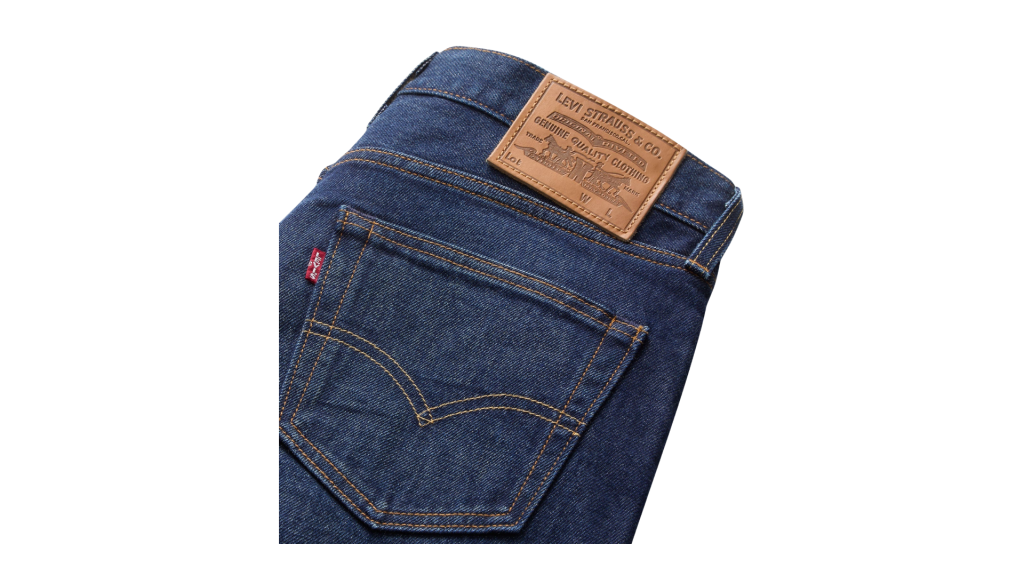
Levi’s introduced its pocket tab in 1936 as a method of distinguishing its products from competing denim manufacturers. Over decades of continuous use, advertising, and enforcement, the tab evolved from a simple product identifier into one of the company’s most recognizable intellectual property assets.
Unlike traditional trademark disputes involving names, slogans, or logos, the current lawsuit centers on the placement, appearance, and function of a small fabric tag attached to a garment. Levi’s maintains trademark registrations protecting the tab itself and has historically sold products featuring blank tabs to reinforce consumer recognition of the tab’s shape and placement independent of any wording.
That strategy reflects a broader trend in brand protection. As apparel markets become increasingly crowded, companies often seek protection for design elements that consumers associate with a single source. Pocket stitching patterns, product silhouettes, color arrangements, and fabric tags have all become subjects of trademark and trade dress litigation. The commercial value of these assets frequently depends on a brand’s ability to demonstrate that consumers recognize the feature as indicating source rather than serving a purely decorative purpose.
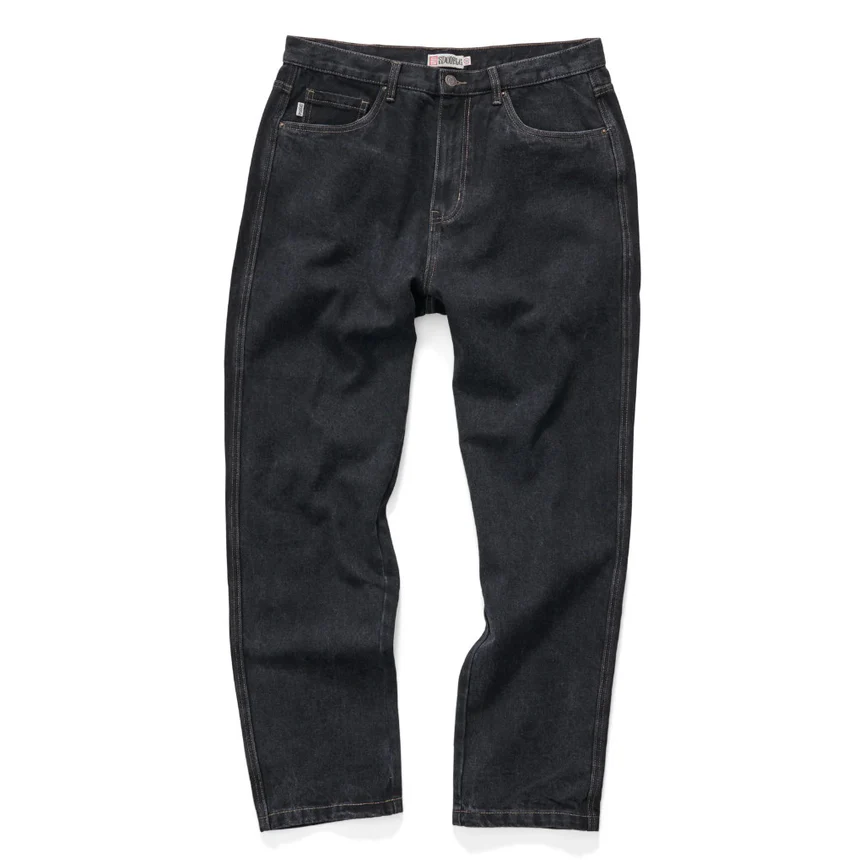
Levi’s complaint argues that the defendants’ use of red and white tabs on pocket seams improperly capitalizes on decades of goodwill associated with the Levi’s brand. According to the company, consumer confusion can occur even where the garment bears a different brand name if the placement and appearance of the tab evoke Levi’s established identity.
Prior Settlement Obligations Create Additional Exposure Beyond Trademark Claims
One of the most consequential aspects of the litigation may have little to do with traditional trademark infringement analysis.
According to Levi’s complaint, the parties previously resolved a dispute involving similar allegations around 2010. As part of that resolution, S/Double allegedly agreed not to use labels, tabs, or tab-like devices affixed to the vertical seam of rear pockets. Levi’s now contends that S/Double resumed selling products featuring tabs that fall within the scope of those restrictions.
This creates a second layer of liability. In many trademark disputes, plaintiffs must establish consumer confusion, ownership rights, priority of use, and marketplace impact. When a prior settlement agreement exists, however, the focus may shift toward whether contractual obligations were violated.
Settlement agreements often function as enforcement tools that can be as valuable as trademark registrations themselves. A negotiated restriction can provide clearer boundaries than a court’s later assessment of consumer confusion. When a company is accused of violating those restrictions, litigation may become more predictable because contractual language frequently supplies the framework for evaluating conduct.
The dispute therefore presents a combination of trademark enforcement and contract enforcement that could substantially influence litigation strategy for both sides.
Trade Dress and Consumer Recognition Risks in Apparel Branding
The legal gap receiving less attention in public reporting involves the distinction between trademark recognition and aesthetic design.
Under trademark law, companies cannot monopolize features that are merely decorative or functional. To obtain protection, a design element must serve as a source identifier in the minds of consumers. Levi’s has spent decades building that association around its pocket tab, which explains the company’s aggressive enforcement history against both luxury and mass-market brands.
The litigation will likely raise questions regarding secondary meaning and consumer perception. Courts evaluating similar disputes often examine whether consumers encountering the challenged feature are likely to associate it with a specific source rather than viewing it as a generic design choice.
This issue has become increasingly important within fashion and streetwear markets, where minimalist branding frequently replaces large logos. As brands reduce overt branding elements, smaller indicators such as labels, tabs, stitching configurations, and product placement details assume greater commercial importance.
That shift creates heightened exposure under the Lanham Act because competitors may inadvertently adopt features that have acquired trademark significance through long-term use and extensive promotion.
The Juris Law Group Perspective on Trademark and Trade Dress Enforcement
The Levi’s litigation reflects a broader shift in intellectual property enforcement within the apparel industry. As branding becomes more subtle, companies increasingly rely on product identifiers such as tabs, stitching patterns, label placement, and other design elements to distinguish their goods in the marketplace. The legal value of these assets often develops over decades of consistent use, advertising investment, and enforcement activity.
The dispute underscores the growing role of non-traditional trademarks within modern IP portfolios. Product tabs, stitching patterns, label placement, and other design identifiers are increasingly becoming central enforcement assets rather than secondary brand features. Our IP attorneys assess how product design elements acquire source-identifying significance and how those rights can be strengthened through trademark registrations, marketplace use, and enforcement history.
The case also demonstrates how settlement agreements can become long-term brand protection tools, creating obligations that extend well beyond the resolution of the original dispute. As brand owners continue investing in distinctive product architecture, courts are increasingly being asked to determine where decorative design ends and protectable intellectual property begins. That question remains at the center of many modern trade dress disputes and is likely to shape enforcement strategies across the fashion industry for years to come.
What the Next Twelve Months May Mean for Apparel Brand Enforcement
Over the next year, the litigation will likely attract attention beyond the parties involved because it addresses a recurring issue within the fashion industry: whether small design features can serve as legally protectable trademarks. The outcome may influence how apparel companies evaluate the use of tabs, labels, stitching details, and other non-traditional identifiers during future product development and brand expansion efforts.
Litigation involving non-traditional trademarks has increased the importance of documenting advertising efforts, enforcement histories, and marketplace recognition when establishing trademark rights in product features. Those records frequently become central evidence when disputes arise over design elements that lack the visibility of conventional logos.
The litigation may also draw renewed attention to settlement agreements, coexistence arrangements, and historical enforcement obligations that remain in effect years after an initial dispute is resolved. As legacy brands continue expanding protection for trade dress and design-based assets, prior agreements may become recurring sources of litigation. The Levi’s lawsuit demonstrates that enforcement efforts often extend well beyond registration certificates and into decades of accumulated contractual rights and brand goodwill.
Common Legal Inquiries
Can a small clothing tab qualify as a trademark?
Yes. Trademark law can protect product features that consumers recognize as identifying a single source. Levi’s has long argued that its pocket tab functions independently as a source identifier, allowing it to pursue claims even when competitors use different brand names on their products.
What is the difference between trademark infringement and trade dress infringement?
Trademark infringement typically involves names, logos, or other registered identifiers. Trade dress infringement focuses on the overall appearance of a product or packaging. In apparel disputes, design features such as stitching patterns, labels, pocket placement, and fabric tabs may be evaluated under trade dress principles.
Why does a prior settlement agreement matter in a trademark lawsuit?
A settlement agreement can establish specific restrictions governing future conduct. If a party later engages in activity prohibited by the agreement, the plaintiff may pursue contractual claims alongside trademark claims. This can provide additional legal remedies and alter the litigation strategy available to both sides.