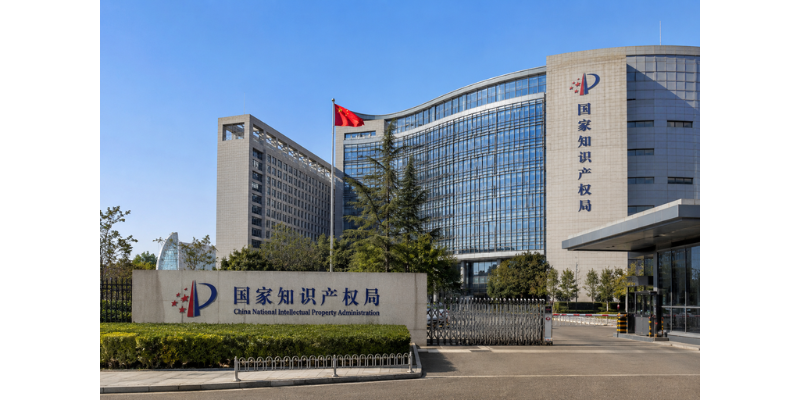
Even one of the world’s most recognizable luxury brands does not automatically prevail before China’s trademark authorities. Louis Vuitton Malletier is now asking the Beijing Intellectual Property Court to review a decision issued by the China National Intellectual Property Administration (CNIPA) after the agency rejected the company’s administrative trademark challenge against a third-party application.
The case has attracted attention because it comes only weeks after Louis Vuitton secured a high-profile trademark infringement victory against Chinese tea chain Molly Tea. The two proceedings involve different parties and different legal standards, yet together they illustrate an important point for brand owners: trademark protection does not depend on a single lawsuit or a single registration decision. Building and defending a global trademark portfolio often requires administrative proceedings, court appeals, and infringement litigation at the same time.
A Rare Administrative Defeat Sends Louis Vuitton to Court
According to the Beijing Intellectual Property Court’s public notice, Louis Vuitton filed an administrative lawsuit after CNIPA rejected its challenge to a trademark application filed by third party Huang Minyao. The hearing took place on July 16, 2026, with CNIPA named as the defendant because it issued the administrative decision under review.
Publicly available records do not identify the trademark involved, the goods or services covered, or the legal grounds Louis Vuitton asserted before CNIPA. Those details may become public once the court issues its written decision.
While Louis Vuitton regularly succeeds in protecting its trademarks around the world, this case demonstrates that fame alone does not determine the outcome of administrative proceedings. China’s trademark office evaluates applications under the country’s Trademark Law, and even owners of internationally recognized brands may receive unfavorable decisions. When that happens, judicial review before the Beijing Intellectual Property Court becomes the next procedural step.
For businesses with valuable intellectual property, this is an important reminder that trademark registration and enforcement are separate stages of portfolio management. An unfavorable administrative decision may not end the dispute, but it can influence future enforcement if a potentially conflicting mark remains on the register.
Why Suing CNIPA Is Part of China’s Trademark Appeal System
The headline that Louis Vuitton is “suing China’s intellectual property office” may sound unusual, but the procedure is a standard feature of China’s trademark system.
When CNIPA issues a final administrative trademark decision, the dissatisfied party may ask the Beijing Intellectual Property Court to review whether the agency correctly applied the law. Because the lawsuit challenges an administrative decision rather than another company’s commercial conduct, CNIPA is named as the defendant and the trademark applicant participates as a third party.
This distinction is often overlooked in news coverage. The court is not deciding whether Huang Minyao infringed Louis Vuitton’s trademarks. Instead, it is reviewing whether CNIPA properly evaluated the trademark application under Chinese law. If the court identifies legal or procedural errors, it may require CNIPA to reconsider its decision. If it agrees with the agency, the decision will remain in place.
This procedural framework reflects a broader principle that applies to all trademark owners, regardless of the strength or reputation of their brands. Administrative review and infringement litigation serve different purposes, apply different legal standards, and may produce different outcomes.
The Molly Tea Victory Shows a Different Side of Louis Vuitton’s Enforcement Strategy
The timing of this administrative appeal is particularly noteworthy because it follows Louis Vuitton’s recent success in its trademark infringement lawsuit against Chinese tea chain Molly Tea.
On June 29, 2026, the Suzhou Intermediate People’s Court found that Molly Tea had infringed seven registered Louis Vuitton four-petal floral trademarks and awarded approximately 10.3 million yuan in damages and legal expenses. Molly Tea has announced that it intends to appeal, so the judgment is not yet final.
Unlike the CNIPA proceeding, the Molly Tea litigation focused on marketplace use rather than trademark registration. The court examined whether Molly Tea’s branding created infringement of Louis Vuitton’s registered trademarks, not whether a trademark application should remain on the register.
The case also generated public debate over whether Louis Vuitton’s floral motifs resemble traditional Chinese decorative patterns, including the baoxiang flower and persimmon calyx designs. Those discussions attracted considerable attention, but they do not answer the legal question presented in either proceeding. Trademark law generally protects specific registered commercial identifiers. Even if a design shares historical influences with traditional artwork, courts still evaluate the overall appearance of the registered mark, the commercial context in which it is used, and whether consumers are likely to believe that the products originate from the same source.
Viewed together, these two cases show that Louis Vuitton is pursuing multiple enforcement strategies simultaneously. It is defending its trademarks before China’s administrative authorities while also pursuing civil litigation against businesses it believes are using confusingly similar branding.
strategic by design: the juris law group perspective
One of the most overlooked aspects of international trademark protection is that different proceedings answer different legal questions. A trademark office evaluates whether a mark should be registered. A civil court determines whether commercial use infringes another party’s rights. Success in one forum does not automatically guarantee success in another.
As trademark protection lawyers, we regularly evaluate global trademark portfolios with that distinction in mind. An effective enforcement strategy considers registration, opposition proceedings, cancellations, coexistence agreements, licensing, and litigation as interconnected parts of long-term portfolio management rather than isolated disputes. Bigger is not better, better is better.® Protecting valuable brands often requires coordinated action across multiple jurisdictions and multiple legal forums.
What Brand Owners Should Watch Next
The Beijing Intellectual Property Court did not issue a decision from the bench following the July 16 hearing. When the written judgment becomes available, it may provide additional guidance on how Chinese courts review CNIPA decisions involving well-known trademarks and potentially conflicting applications. It may also offer insight into the level of deference Chinese courts give administrative trademark decisions during judicial review.
The Molly Tea appeal will be equally important to monitor over the coming months. Together, these cases reinforce that trademark enforcement in China is becoming increasingly sophisticated. Global brands are expected to support their rights at every stage of the process, from trademark prosecution before CNIPA to infringement litigation before the courts. Even owners of famous trademarks should not assume that reputation alone will determine the outcome of administrative proceedings or courtroom disputes.
Common Legal Inquiries
Why is Louis Vuitton suing China’s trademark office instead of another company?
Louis Vuitton is asking the Beijing Intellectual Property Court to review a decision issued by CNIPA after the agency rejected its administrative trademark challenge. This is the standard appeal process available under China’s trademark system and does not mean Louis Vuitton is alleging wrongdoing by the agency itself.
Can a famous trademark owner lose before China’s trademark office?
Yes. Well-known brands do not automatically prevail in trademark registration disputes. CNIPA evaluates each case under China’s Trademark Law, and any party dissatisfied with the agency’s decision may seek judicial review before the Beijing Intellectual Property Court.
How is the CNIPA lawsuit different from the Molly Tea case?
The CNIPA case concerns whether a trademark application should remain on the register after an administrative review. The Molly Tea litigation is a civil infringement action involving the alleged unauthorized use of Louis Vuitton’s registered trademarks in the marketplace. Although both cases involve trademark protection, they apply different legal standards and address different issues.