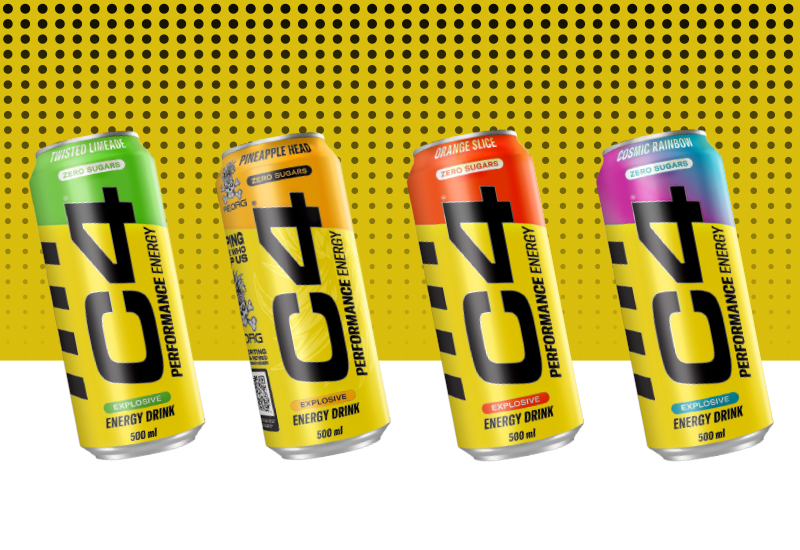
The energy drink sector is increasingly defined by competition over more than formulas and shelf space. Sales strategy, retailer relationships, category management data, and product launch planning have become some of the most valuable assets held by beverage companies. That reality sits at the center of a recent trade secrets dispute between Nutrabolt, the maker of C4 Energy, and three former executives who left the company for functional beverage brand Recess.
In May 2026, a federal judge in Texas denied Nutrabolt’s request for a preliminary injunction that would have restricted the former executives’ activities at Recess while the litigation proceeds. The ruling does not resolve the underlying trade secret claims, but it provides an early indication of how courts are evaluating confidential business information in highly competitive consumer packaged goods categories. The dispute highlights a recurring question for beverage companies: when does protectable intellectual property end and individual experience begin?
C4 Energy Trade Secrets Dispute Highlights Challenges of Protecting Commercial Intelligence
Nutrabolt filed suit against former executives Kyle Thomas, Madison Mathews, and Terrence Moore Jr., along with Drink Recess, Inc., alleging that the defendants possessed confidential information and trade secrets developed during their time at the company. According to public reporting, Nutrabolt sought emergency relief based on concerns that sensitive information could be used to benefit a direct competitor.
For a company such as Nutrabolt, the value of proprietary information extends well beyond product formulations. Growth-stage beverage companies often invest heavily in developing retailer strategies, distributor relationships, category insights, pricing models, promotional plans, and national expansion initiatives. Many of these assets may qualify as trade secrets under the federal Defend Trade Secrets Act (DTSA) and state trade secret laws if the company can demonstrate that the information derives independent economic value from remaining confidential and is subject to reasonable secrecy measures.
The court’s refusal to grant a preliminary injunction suggests that proving ownership of valuable information is only one part of the analysis. The plaintiff must also establish a sufficient basis for emergency intervention before discovery is complete. That burden frequently becomes difficult when allegations focus on anticipated misuse rather than documented misappropriation.
Why the Court Denied Emergency Relief in the Trade Secrets Case
A preliminary injunction is among the most powerful remedies available in trade secret litigation. It can effectively prevent a former employee from performing certain responsibilities, accessing particular markets, or continuing employment under specific circumstances.
To obtain that relief, a plaintiff generally must show a likelihood of success on the merits, irreparable harm, and evidence that the threatened injury outweighs competing interests. Courts often scrutinize whether the alleged trade secrets have actually been taken, disclosed, or used.
The decision in the Nutrabolt dispute reflects a broader judicial reluctance to rely solely on speculation that former executives will inevitably use confidential information at a competing company. While courts recognize the importance of protecting trade secrets, they are often unwilling to restrict employee mobility without concrete evidence of threatened misuse.
That distinction is particularly important in the beverage industry, where senior executives naturally possess extensive knowledge of retailer expectations, distributor operations, consumer trends, and category dynamics. Experience acquired over a career does not automatically become company property simply because it was developed while working for a specific employer.
The Legal Gap: Trade Secrets Versus Executive Know-How
The most consequential issue raised by the case may be one that receives relatively little public attention. The dispute highlights the legal boundary between proprietary information and professional expertise.
Courts generally recognize that former employees are entitled to use their accumulated skills, judgment, and industry knowledge in future positions. At the same time, businesses have a legitimate interest in protecting confidential information that provides a competitive advantage. Determining where one category ends and the other begins often becomes the defining issue in trade secret litigation.
For beverage companies, potentially protectable assets may include:
- Strategic retailer presentations
- Non-public pricing and promotional plans
- Distributor performance analytics
- Product development roadmaps
- Market expansion strategies
- Confidential sales forecasts
The challenge arises when those materials overlap with information that executives have internalized through years of experience. A former executive may understand how a major retailer evaluates beverage brands without possessing any specific confidential document. Courts increasingly require plaintiffs to identify the particular trade secrets at issue rather than relying on broad claims that former employees know too much to work for a competitor.
This distinction has implications extending beyond the Nutrabolt dispute. Companies that fail to define and document their trade secret portfolio may encounter difficulties when seeking judicial protection later.
The Juris Law Group Perspective on Trade Secret Protection
Trade secret disputes in the consumer products industry often arise when key personnel move between competitors. The Nutrabolt case demonstrates that courts increasingly expect companies to identify specific trade secrets and show concrete efforts to protect them, rather than relying on broad claims that former executives possess sensitive knowledge. Internal business intelligence, retailer strategies, pricing data, and growth plans can be as valuable as traditional intellectual property when properly safeguarded.
An experienced IP attorney will often evaluate not only the information at issue, but also the systems used to preserve its confidentiality. Consistent with our firm’s philosophy that “Bigger is not better, better is better®,” trade secret protection is generally strongest when businesses focus on securing the information that truly creates competitive value. As courts continue to scrutinize trade secret claims, disciplined portfolio management and clear documentation remain central to effective enforcement.
What the Nutrabolt Case Means for Beverage Brands Over the Next 12 Months
The litigation is likely to continue through discovery, where the parties will seek evidence concerning the nature of the alleged trade secrets, the defendants’ access to confidential information, and whether any misuse occurred after the transition to Recess. Nutrabolt may still pursue damages and permanent injunctive relief even after the denial of its preliminary injunction request.
The case may also encourage beverage companies to reevaluate how they classify and protect strategic business information. Internal audits of trade secret assets, executive departure protocols, and confidentiality policies may receive increased attention as brands seek to strengthen their position before disputes arise.
More broadly, the ruling reflects an ongoing trend in trade secret enforcement. Courts appear increasingly focused on specific evidence of misappropriation rather than generalized concerns about competitive employment moves. Companies that can precisely identify their trade secrets and demonstrate active protection efforts will likely be better positioned in future litigation. Those relying on broad assertions of confidential knowledge may face a higher evidentiary burden when seeking emergency judicial relief.
Common Legal Inquiries
Can a company prevent a former executive from joining a competitor?
Not automatically. Courts generally require evidence that the executive is likely to use or disclose protected trade secrets or is otherwise bound by enforceable contractual restrictions. Employment with a competitor alone is usually insufficient to justify injunctive relief.
What information qualifies as a trade secret in the beverage industry?
Trade secrets may include formulas, product development plans, retailer strategies, pricing models, sales forecasts, distributor data, and other confidential information that derives value from remaining secret and is subject to reasonable protection measures.
Does losing a preliminary injunction mean a trade secret case is over?
No. A preliminary injunction ruling addresses whether emergency relief is appropriate while litigation proceeds. Plaintiffs may continue pursuing trade secret claims, damages, and permanent injunctions through discovery and trial.