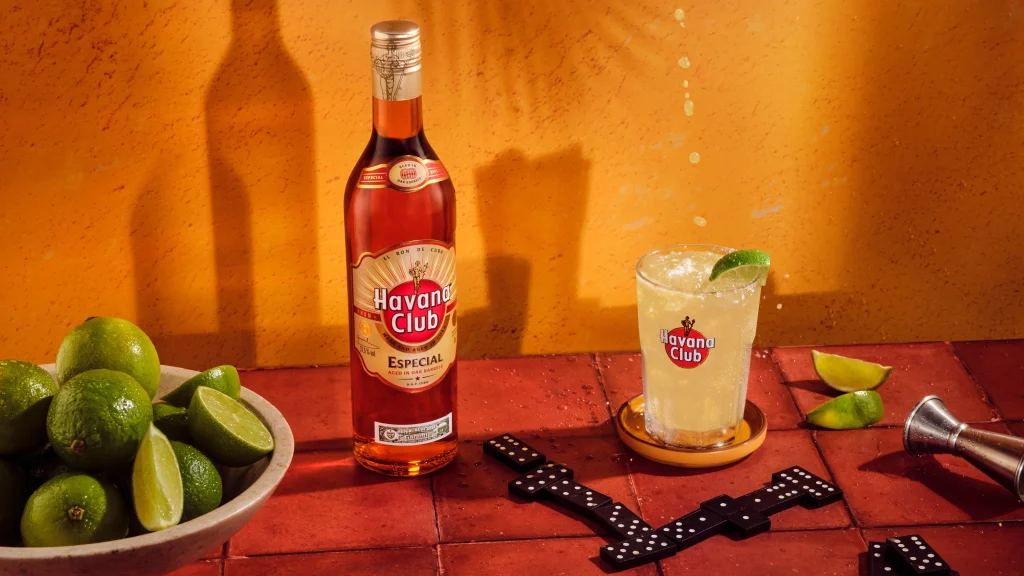
The U.S. Court of Appeals for the Fourth Circuit handed Bacardi another defeat on June 16, 2026, in one of the longest-running trademark disputes in the alcohol industry. The court affirmed a lower court decision rejecting Bacardi’s challenge to the U.S. Patent and Trademark Office’s renewal of the HAVANA CLUB trademark registration held by Cubaexport, a Cuban state-owned entity.
The ruling arrives more than six decades after the Cuban government nationalized the original Havana Club business and more than thirty years after Bacardi acquired rights from the Arechabala family, the brand’s pre-revolution owner. The timeline stretches back to the 1930s, when Havana Club was first created in Cuba, before political events transformed a rum brand into a recurring legal battle involving sanctions, seized property, congressional action, and trademark ownership.
For Bacardi, the latest appeal centered on a narrow dispute over the USPTO’s 2016 renewal of Cubaexport’s registration. The broader fight remains unresolved. Bacardi continues to sell its own HAVANA CLUB rum in the United States while Cubaexport retains a federal trademark registration for the same brand name. That unusual arrangement sits at the center of the case’s commercial and legal tension.
Havana Club Trademark Rights Trace Back to Cuba’s 1960 Nationalization
The origins of the dispute date to 1960, when the Cuban government nationalized the Havana Club rum business operated by José Arechabala S.A. The Arechabala family left Cuba and eventually lost control of the brand. Cubaexport later obtained a U.S. trademark registration for HAVANA CLUB in 1976 after the original registration lapsed.
The modern dispute emerged in the mid-1990s when Bacardi acquired rights associated with the Arechabala family and began marketing HAVANA CLUB rum produced in Puerto Rico for the U.S. market. At the same time, Cubaexport partnered with Pernod Ricard to distribute Cuban Havana Club internationally.
Since then, the parties have spent decades litigating competing claims to the same brand. The conflict has never been limited to traditional trademark ownership questions. Claims involving property seized by the Cuban government, sanctions regulations, and shifting U.S.-Cuba policy have repeatedly altered the legal framework surrounding the mark.
That dynamic became especially important in 2016 when the USPTO renewed Cubaexport’s HAVANA CLUB registration after authorization from the Office of Foreign Assets Control. Bacardi argued the renewal should not have been permitted because government approvals arrived after applicable deadlines. Federal courts have now rejected that argument at both the district court and appellate levels.
The 2026 Fourth Circuit Decision Preserves the Registration but Leaves Larger Questions Open
The June 2026 ruling leaves Cubaexport’s federal trademark registration intact. The decision does not resolve whether Cubaexport can fully exercise the rights typically associated with trademark ownership in the United States.
That distinction represents one of the most unusual aspects of the Havana Club dispute. In separate litigation during 2024, federal courts concluded that U.S. embargo restrictions prevented Cubaexport from pursuing certain trademark infringement claims against Bacardi. As a result, Cubaexport may possess a valid registration while facing substantial limitations when attempting to stop others from using the mark.
Brand owners generally assume that obtaining and maintaining a federal trademark registration gives them the ability to prevent competitors from using the same brand name. The Havana Club dispute shows that sanctions laws can interfere with that expectation, creating situations where ownership rights and enforcement rights do not fully align.
The result creates uncertainty for both parties. Bacardi faces an active trademark registration that survived appellate review. Cubaexport retains ownership rights that may not provide the full commercial exclusivity normally associated with federal trademark protection.
Bacardi suffered another setback in the HAVANA CLUB trademark battle, leaving unresolved questions over ownership, enforcement rights, and U.S. sanctions.
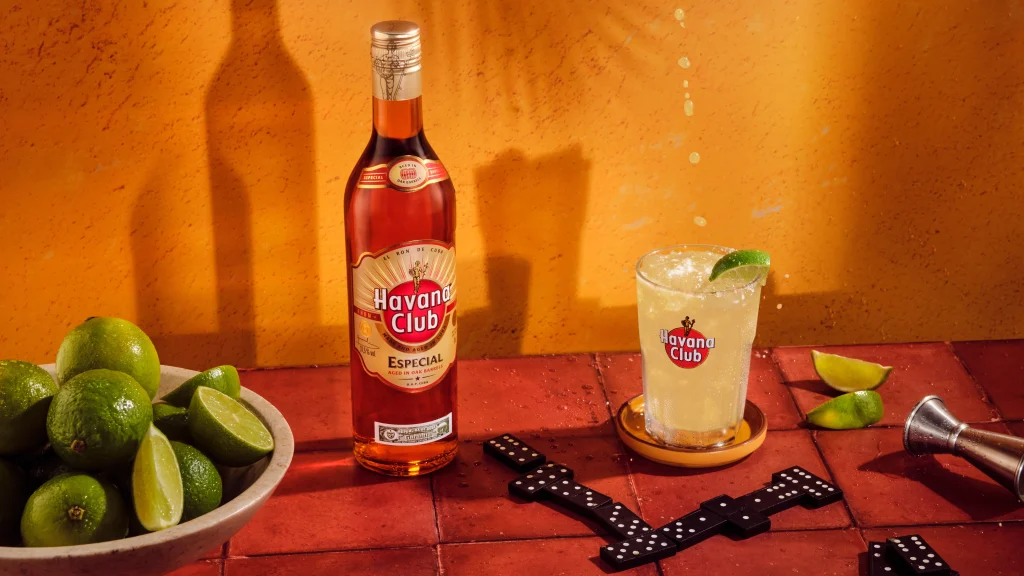
image source / Havana Club
The Legal Gap: Owning a Trademark Does Not Always Mean Controlling the Brand
Most reporting on the Havana Club dispute focuses on who owns the stronger claim to the brand. A more consequential issue may be emerging beneath the ownership debate.
Most trademark disputes focus on who owns a brand. The Havana Club dispute raises a different question: what happens when a company owns a federal trademark registration but faces legal barriers when trying to stop others from using the mark?
The answer remains unsettled. Cubaexport’s registration survived Bacardi’s challenge, yet separate court decisions have limited the company’s ability to pursue enforcement claims because of sanctions restrictions. The result is a legal framework in which ownership and control do not necessarily travel together.
That issue has become even more complicated following enactment of the No Stolen Trademarks Honored in America Act in December 2024. The law generally restricts recognition of trademarks tied to property confiscated by the Cuban government after the revolution. Congress inserted an additional layer into a dispute already shaped by trademark law, sanctions regulations, and decades of litigation.
The next phase of the conflict may involve questions extending beyond ownership of the registration itself. Courts may be asked to determine how trademark rights interact with sanctions laws and federal legislation addressing confiscated property. Those questions could affect other companies whose brands trace back to nationalized assets, sanctioned jurisdictions, or government-owned enterprises.
The Juris Law Group Perspective on Trademark Enforcement and Brand Ownership
Trademark disputes rarely remain confined to trademark statutes. The Havana Club matter demonstrates how foreign policy, sanctions enforcement, and property rights can reshape the value of a registration long after it is issued.
From the perspective of our trademark protection lawyers, one of the more instructive aspects of this dispute is the distinction between possessing legal rights and possessing practical control of a brand. Management of valuable brand assets often assumes that registration status determines commercial leverage. The Havana Club litigation shows that external legal regimes can alter enforcement capabilities without eliminating ownership rights.
The case also illustrates the long-term consequences of historical events on modern intellectual property assets. Decisions made during periods of political upheaval can continue generating litigation decades later, particularly when internationally recognized brands remain commercially valuable across multiple jurisdictions.
What Comes Next for Bacardi and the Havana Club Brand?
Trademark disputes rarely remain confined to trademark statutes. The Havana Club matter demonstrates how foreign policy, sanctions enforcement, and property rights can reshape the value of a registration long after it is issued.
From the perspective of trademark protection lawyers, one of the more instructive aspects of this dispute is the distinction between possessing legal rights and possessing practical control of a brand. Management of valuable brand assets often assumes that registration status determines commercial leverage. The Havana Club litigation shows that external legal regimes can alter enforcement capabilities without eliminating ownership rights. In many respects, the dispute reflects a principle that has long guided our practice: “Bigger is not better, better is better®.”
The case also illustrates the long-term consequences of historical events on modern intellectual property assets. Decisions made during periods of political upheaval can continue generating litigation decades later, particularly when internationally recognized brands remain commercially valuable across multiple jurisdictions.
Common Legal Inquiries
Can a company own a U.S. trademark registration but be unable to enforce it?
Yes. The Havana Club litigation demonstrates that sanctions laws and related federal restrictions can limit enforcement activity even when a trademark registration remains valid. Ownership of a registration does not automatically guarantee the ability to bring infringement claims or stop competitors from using a brand.
What is the No Stolen Trademarks Honored in America Act?
The law, signed in December 2024, generally restricts recognition of trademarks associated with property confiscated by the Cuban government after the revolution. The statute adds another layer of analysis to disputes involving seized assets and Cuban intellectual property rights.
Why has the Havana Club dispute lasted for decades?
The case combines trademark ownership questions with issues involving sanctions regulations, foreign policy, seized property claims, federal legislation, and international commercial interests. Each development has created new legal disputes, extending the litigation far beyond a traditional trademark ownership battle.