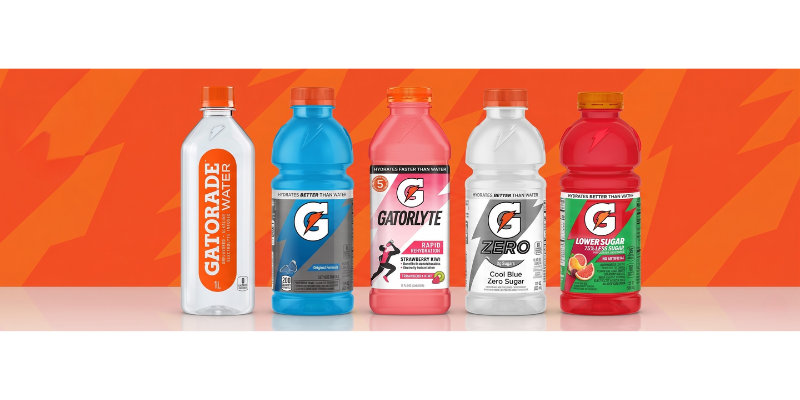
PepsiCo’s decision to remove synthetic dyes from its flagship Gatorade “Thirst Quencher” and Gatorade Zero lines marks a pivotal shift in the beverage industry’s approach to ingredient transparency. Scheduled for a full rollout by fall 2026, the transition replaces petroleum-based colors with plant-derived alternatives for fruit punch, lemon-lime, and orange flavors. This move is not merely a response to consumer sentiment but a preemptive strike against a tightening regulatory framework targeting FD&C additives.
Strategic Reformulation Amid Regulatory Contraction
In late 2025, PepsiCo formally announced the elimination of artificial colors from the “Thirst Quencher” flagship line and Gatorade Zero, specifically targeting its fruit punch, lemon-lime, and orange flavors. This reformulation, expected to reach retail shelves by fall 2026, transitions the products to colorants derived from fruits and vegetables. The entity is executing this overhaul to align with a broader corporate commitment to remove synthetic dyes across its U.S. portfolio—including brands like Doritos and Cheetos—by 2027. This move is a direct response to intensifying federal pressure to phase out petroleum-based additives linked by various studies to pediatric behavioral issues and long-term health risks.
Trade Dress Implications of Color Alteration
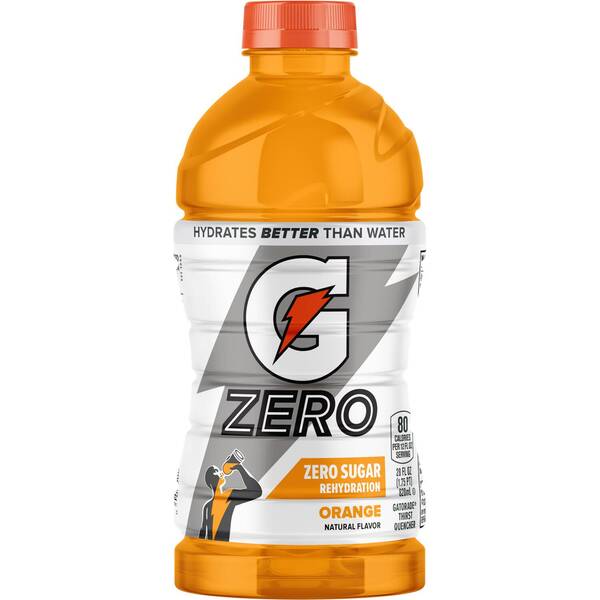
Gatorade’s identity is intrinsically linked to the “neon” aesthetics of its lemon-lime and orange offerings. These specific hues function as a form of “de facto” trade dress, allowing consumers to identify products through glass or plastic from a distance. Any perceptible shift in color saturation or clarity during the move to plant-based sources could erode the distinctiveness of this visual brand language.
If the reformulated “natural” fruit punch appears muted compared to its predecessor, PepsiCo faces the risk of consumer alienation or “brand drift.” From a protective standpoint, the company must ensure that the new formulations remain “confusingly similar” to its own legacy products to prevent market share erosion. The challenge lies in achieving this visual consistency without the chemical stability that synthetic dyes provide.
The FDA’s New Paradigm on “No Artificial Colors”
A critical legal nuance in this transition involves the Food and Drug Administration’s recent policy adjustments regarding color additive labeling. The agency now permits “no artificial colors” claims even when a product contains added colorants, provided those colorants are naturally derived. This creates a strategic opening for Gatorade to market its flagship line as “cleaner” while still utilizing additives to maintain its iconic look.
However, this regulatory flexibility introduces a secondary risk of “greenwashing” litigation. Plaintiff-side firms in California are increasingly targeting brands that use “natural” claims if the processing of those natural ingredients involves heavy chemical refinement. PepsiCo must carefully audit its supply chain to ensure that its fruit and vegetable extracts meet the rigorous standards of “non-synthetic” classification under both state and federal law.
Managing the “Clean Label” Portfolio Expansion
The decision to reformulate the core Thirst Quencher line signals that “dye-free” is no longer a niche sub-category for PepsiCo. Previously, the company segmented health-conscious consumers into specific lines like Gatorade Fit and G Organic. By migrating this standard to its high-volume flagship products, the company is effectively de-risking its entire hydration portfolio.
This transition requires a sophisticated approach to global supply chain management. Natural colorants are highly sensitive to light, pH levels, and temperature fluctuations during transport. Failure to maintain color integrity throughout the product’s shelf life could lead to breach of warranty claims or localized recalls if the product appears spoiled to the end user.
Technical Nuances of Plant-Based Color Stabilization
Stabilizing plant-based pigments at the scale required for Gatorade is a significant industrial undertaking. Anthocyanins and carotenoids—common natural substitutes—often lack the longevity of petroleum-based counterparts. If the lemon-lime variant loses its signature yellow hue under retail lighting, the product’s perceived value drops immediately.
PepsiCo is likely leveraging proprietary encapsulation technologies to protect these natural pigments from oxidation. This technical layer adds a new dimension to the brand’s intellectual property portfolio. Protecting these formulation “trade secrets” is as essential as the trademark protection of the Gatorade name itself.
The Juris Law Group Perspective on CPG Reformulation
Technical reformulations often trigger unintended consequences in brand enforcement. When a legacy product changes its composition, it provides an opening for competitors to challenge existing trade dress claims or file “look-alike” products that mimic the old aesthetic. As CPG attorneys, we emphasize that the transition to natural ingredients must be coupled with a refreshed trademark strategy.
The Juris Law Group understands that for major beverage entities, the label is a legal contract with the consumer. Our IP attorneys and trademark protection lawyers advise clients to conduct rigorous “litigation audits” before rolling out new packaging claims. In the current California environment, even a technically accurate “No Artificial Colors” claim can be problematic if the underlying extraction process for those colors is deemed “synthetic” by a hostile court.
- Mandatory Compliance Protocols:
- Verification of “Natural” status under 21 CFR § 73.
- Third-party audits of colorant extraction methods to prevent “Synthetic” misclassification.
- State-specific labeling reviews for California’s Proposition 65 and the Sherman Law.
- Documentation of “Consumer Perception” studies to defend trade dress continuity.
Strategic Outlook: 2026–2027
The next twelve months will be a period of intensive field testing for PepsiCo as it prepares for the fall 2026 rollout. We expect the company to utilize a “silent transition” strategy in select markets to gauge consumer reaction to subtle shifts in color vibrancy. If these tests yield negative feedback, the company may be forced to delay the launch or invest more heavily in pigment stabilization R&D.
Looking into 2027, the success of the Gatorade reformulation will likely dictate the pace of similar changes for Doritos and Cheetos. If PepsiCo successfully navigates the technical and legal hurdles of removing dyes from its beverages, it will set a new industry standard. This will inevitably force smaller competitors to follow suit, potentially creating a “bottleneck” in the global supply of high-quality, plant-based colorants.
Common Legal Inquiries
How does the FDA distinguish between “natural” and “artificial” colors?
The FDA does not officially define “natural” in the same way it defines “artificial.” Any color additive not derived from a natural source (like fruit, vegetables, or minerals) is considered artificial. However, even a natural extract used to color a food that wouldn’t normally have that color can be considered “added color.”
Can a brand lose trade dress protection by changing its product’s color?
Yes. Trade dress protection relies on “secondary meaning,” where consumers associate a specific visual element with a specific brand. If the color changes significantly, the brand owner may find it difficult to prevent competitors from using the original, now-abandoned color palette for their own products.
What are the primary litigation risks during a major brand reformulation?
The most common risks include “False Advertising” class actions under state laws like California’s UCL or FAL. These often occur when a brand makes “clean” or “natural” claims that are contradicted by the technical processing of the ingredients or the presence of trace synthetic residues.