Nestlé USA announced on June 15, 2026, that it has completed the removal of artificial FD&C colors from its entire U.S. food and beverage portfolio. The announcement places Nestlé among a growing group of major manufacturers accelerating reformulation efforts in response to federal pressure, state legislation, and shifting litigation risk surrounding synthetic food dyes.
The timing is not accidental. In April 2025, the U.S. Department of Health and Human Services and the FDA announced an initiative aimed at removing petroleum-based synthetic food dyes from the American food supply by the end of 2026. Since then, General Mills, Kraft Heinz, PepsiCo, and other manufacturers have announced portfolio-wide reformulation plans. Nestlé’s completion of the process marks one of the first major examples of a multinational food company reaching the finish line.
The legal story extends beyond ingredient replacement. Most synthetic dyes remain federally authorized today. The industry’s response illustrates how state legislation, retailer expectations, and advertising exposure can alter corporate behavior before federal rulemaking formally changes the law.
Nestlé’s Artificial Color Removal Reflects a Regulatory Timeline That Began in 2025
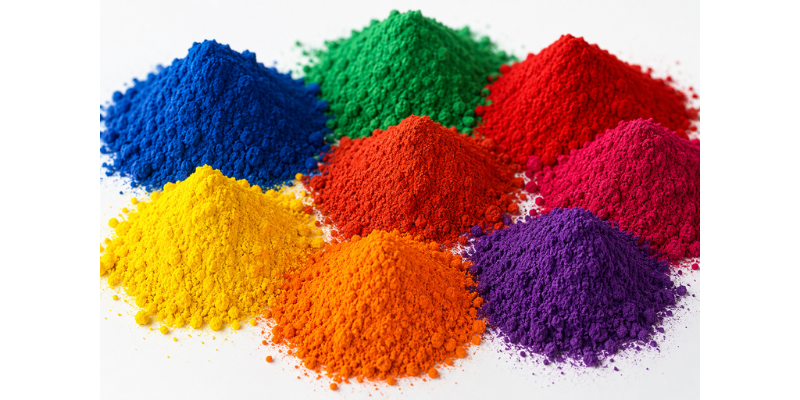
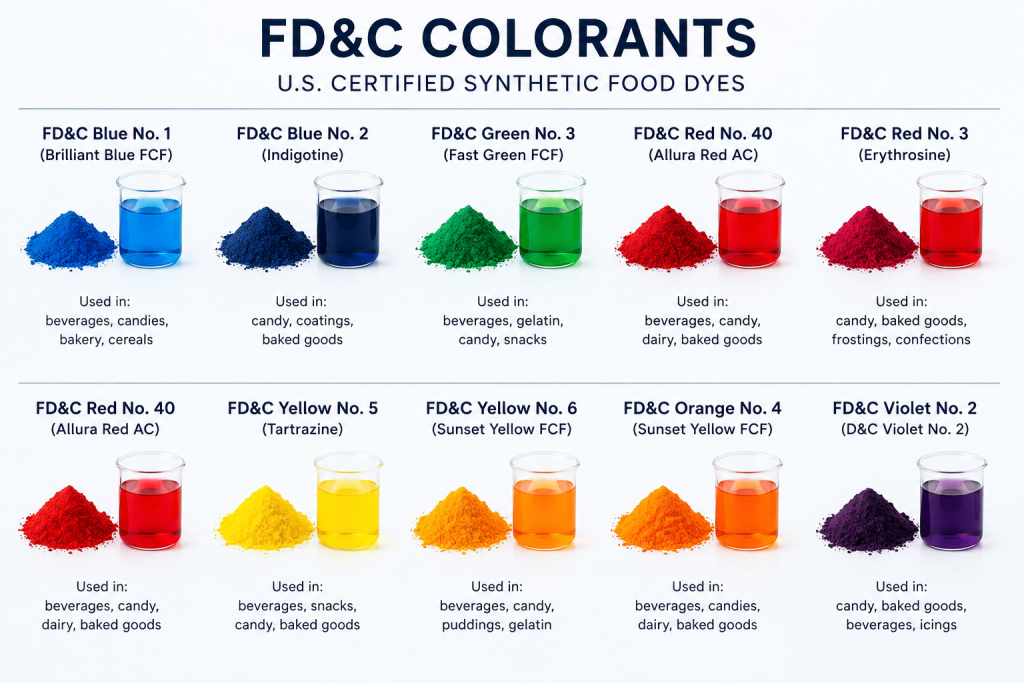
The current reformulation cycle traces back to April 22, 2025, when FDA Commissioner Marty Makary and HHS Secretary Robert F. Kennedy Jr. announced a federal initiative targeting petroleum-based synthetic food dyes. The agency identified dyes such as Red 40, Yellow 5, Yellow 6, Blue 1, Blue 2, and Green 3 as part of its broader effort to transition the food supply toward naturally derived alternatives.
Nestlé responded publicly in June 2025 by committing to remove the remaining synthetic colors from its U.S. portfolio by mid-2026. At the time, the company stated that more than 90% of its products already contained no artificial colors. Remaining products included certain Nesquik offerings that relied on synthetic dyes for appearance and brand consistency.
One year later, Nestlé announced that the project was complete. The company reformulated the remaining products using alternative color sources while preserving product identity and consumer recognition. That accomplishment required modifications extending beyond ingredient sourcing. Packaging, product specifications, supplier relationships, quality controls, and marketing representations often require review when a food company undertakes portfolio-wide reformulation.
Artificial Food Dye Reformulation Creates Labeling Exposure Beyond FDA Enforcement
A notable feature of the current food dye debate is the gap between federal authorization and commercial reality.
With the exception of Red No. 3, which faces a January 2027 compliance deadline following FDA’s revocation decision, many synthetic dyes remain lawful under existing federal regulations. Food manufacturers therefore face a business environment where ingredients may remain legally permitted while simultaneously becoming commercially disfavored.
That distinction affects advertising liability and product representation risk. Once a company reformulates products to remove synthetic dyes, competitors and consumers begin comparing products based on those changes. Claims involving “natural colors,” “clean label” positioning, ingredient quality, and health perceptions often attract scrutiny under state consumer protection statutes and false advertising laws.
The legal gap emerging from the current reformulation trend involves consumer perception. FDA authorization addresses whether an ingredient may be used in food. Consumer litigation examines whether product marketing creates expectations that extend beyond regulatory approval. Those standards are not identical. A company may satisfy FDA requirements and still face challenges regarding how consumers interpret labeling, advertising, or comparative product claims.
General Mills and Kraft Heinz Face Portfolio Management Decisions Through 2027
Nestlé’s announcement arrives while other manufacturers remain in the middle of lengthy reformulation projects.
General Mills announced in June 2025 that it would remove artificial colors from its U.S. cereal portfolio by summer 2026 and eliminate synthetic dyes from its broader retail portfolio by the end of 2027. Kraft Heinz announced a similar timeline, committing to remove FD&C colors from its U.S. portfolio by the end of 2027 while discontinuing the use of synthetic dyes in new product launches.
These timelines reflect the practical challenges associated with replacing synthetic color additives. Artificial dyes provide consistency, stability, and manufacturing predictability that natural alternatives often struggle to replicate across large-scale production environments.
The resulting legal considerations extend into supply chain agreements, product specifications, retailer obligations, and advertising review processes. Reformulation decisions increasingly function as portfolio management decisions rather than isolated ingredient substitutions. Companies must evaluate how changes affect existing claims, future product launches, and potential litigation exposure.
The Juris Law Group Perspective on Food Labeling and Advertising Liability
Our food labeling attorneys frequently encounter situations where regulatory developments move more slowly than marketplace expectations. The artificial dye transition presents a current example. Manufacturers are making reformulation decisions while federal authorization for several affected dyes remains in place.
That environment creates pressure on product claims and marketing language. Once companies invest substantial resources to remove synthetic ingredients, commercial teams often seek to communicate those changes to consumers. Every new representation creates a separate legal analysis. Statements suggesting superior health attributes, cleaner formulations, or ingredient distinctions may attract scrutiny from competitors, consumer plaintiffs, or state enforcement authorities.
The challenge is not limited to whether a reformulated product complies with FDA requirements. The analysis extends to how claims are substantiated, how consumers interpret those claims, and whether the advertising record supports the message presented on packaging and marketing materials.
State Food Dye Laws May Continue Driving Reformulation Before Federal Rulemaking Changes
State legislation appears likely to remain one of the primary forces shaping food dye reformulation during the next twelve months. California has already enacted restrictions affecting certain school food products, while West Virginia adopted legislation restricting several synthetic dyes beginning in 2028. Texas has also moved toward ingredient disclosure requirements that increase attention on additive transparency.
National food companies rarely prefer state-specific formulations. Maintaining separate production systems, packaging inventories, and distribution channels creates operational inefficiencies that often exceed the cost of nationwide reformulation. Nestlé’s completion of its artificial color removal initiative demonstrates how manufacturers increasingly view portfolio-wide changes as the more predictable option.
Additional announcements from major food companies are expected before the FDA’s stated end-of-2026 target date. General Mills and Kraft Heinz remain on publicly disclosed timelines extending into 2027. Retailers may also continue exerting pressure through procurement standards and private-label initiatives that favor products free from synthetic dyes.
The next phase of the discussion will likely focus less on whether artificial dyes remain legally authorized and more on how reformulated products are marketed. As companies compete to communicate ingredient changes, advertising claims may become the primary area of legal exposure. The companies that navigate that transition successfully will be those that align reformulation strategy, substantiation records, and product messaging before new claims reach consumers.
Common Legal Inquiries
Does FDA authorization prevent lawsuits involving artificial food dyes?
No. FDA authorization addresses whether an ingredient may lawfully be used in food. Consumer class actions and false advertising claims often focus on product representations, marketing language, and consumer expectations. Courts evaluate whether consumers were misled, even when an ingredient remains federally authorized.
Why are companies removing synthetic dyes before federal bans take effect?
Many manufacturers are responding to state legislation, retailer requirements, investor expectations, and litigation risk. Reformulating a national product portfolio often requires years of planning, supplier qualification, and product testing. Companies frequently begin those projects before formal regulatory deadlines arrive.
Could reformulated products create new advertising liability?
Yes. Ingredient changes often lead to new packaging claims and marketing campaigns. Statements regarding natural ingredients, cleaner formulations, health attributes, or product superiority require substantiation and careful review under federal and state advertising standards.