Filing Volume and Jurisdictional Concentration
Fifty-two class actions were tracked in August 2026 across food, beverage, dietary supplement, infant nutrition, and consumer product categories. California accounted for more than half of the filings in the dataset, while New York remained the second-largest venue and Illinois continued to attract multi-state consumer claims.
| Court | Case Count |
|---|---|
| California | 28 |
| New York | 15 |
| Illinois | 3 |
| Washington | 3 |
| Other Jurisdictions | 3 |
Ingredient authenticity became the defining issue of the month. A wave of cases challenged avocado-oil representations following a July 2026 UC Davis study, while another cluster targeted “zero sugar” and “sugar-free” claims involving allulose. Preservative-free representations, contamination allegations, serving-size disclosures, environmental claims, and product efficacy remained active sources of class action risk.
Significant Case Spotlights
Utz, Siete, Chosen Foods and Others: Avocado-Oil Authenticity Under Attack
August produced a concentrated wave of lawsuits alleging that products marketed as made with avocado oil were actually formulated with oil that was substituted, diluted, or otherwise inconsistent with authentic avocado oil. Complaints targeted products sold by Utz, Siete, Chosen Foods, Kettle Brand, Primal Kitchen, BetterBody Foods, and related defendants, with plaintiffs repeatedly relying on a July 2026 UC Davis study examining fatty-acid and sterol profiles.
The theory of harm is unusually direct. Plaintiffs allege that consumers specifically seek avocado oil as an alternative to other vegetable or seed oils and pay a premium when packaging identifies avocado oil as the sole oil or describes a product as made with “100% Pure Avocado Oil.” Testing allegedly showing a different oil composition therefore becomes both the factual basis for the deception claim and the foundation for claimed economic injury.
The filings also show how a single scientific publication can generate coordinated litigation across brands, products, and jurisdictions. Similar allegations appear in both state and federal courts, often using the same study to support claims under California, New York, Florida, and other consumer protection laws.
Defense exposure will turn heavily on testing methodology, lot variability, sourcing documentation, supplier controls, and the extent to which finished-product testing can reliably establish the identity of the oil originally incorporated into the product. Brands making ingredient-specific premium claims need records capable of substantiating not only what was ordered from suppliers, but what was actually received and used in production.
Liquid I.V. and Magic Spoon: Allulose Drives “Zero Sugar” Litigation
Several August cases challenge products marketed as “Sugar-Free,” “Zero Sugar,” “0 Sugar,” or “0g Total Sugars” because they contain allulose. Liquid I.V., Magic Spoon, Special K, Liquid Death, and DAVID protein bars are among the products targeted by complaints alleging that allulose is a monosaccharide and therefore qualifies as sugar under the plaintiffs’ interpretation of applicable labeling requirements.
These lawsuits differ from traditional sugar-content cases because plaintiffs are not alleging that laboratory testing discovered conventional sugar that was omitted from the label. The theory instead depends on the regulatory treatment and characterization of a disclosed ingredient. Plaintiffs contend that the presence of several grams of allulose is fundamentally inconsistent with prominent zero-sugar messaging.
The litigation creates a defense issue at the intersection of technical labeling rules and consumer perception. Even where an ingredient is disclosed on the ingredient statement, plaintiffs argue that consumers rely on prominent front-of-pack representations and interpret “zero sugar” as an absolute claim about product composition.
Repeated filings against different brands suggest that allulose has become a targeted ingredient for consumer class action plaintiffs. Regulatory, marketing, and litigation teams should evaluate sugar-related claims together, particularly where product positioning relies heavily on low-sugar or zero-sugar differentiation.
Amazon: Sustainability Claims Extend Supply-Chain Exposure
Amazon faces a proposed class action alleging that seafood sold through its marketplace was marketed using claims such as “sustainable,” “responsibly sourced,” “wild caught,” “traceable,” “MSC Certified Sustainable Seafood,” and “dolphin safe.” Plaintiffs contend that those representations created an impression of environmentally responsible sourcing that was inconsistent with alleged limitations in seafood traceability, fishing practices, and certification systems.
The lawsuit illustrates how sustainability litigation can reach beyond manufacturers and producers to retailers and marketplace operators. Plaintiffs allege that Amazon controlled product detail pages and used environmental representations as part of the purchasing experience, making the retailer itself a target of the alleged deception.
Certification seals and third-party standards do not necessarily eliminate litigation risk when marketing language goes beyond what the underlying program guarantees. Plaintiffs are increasingly examining whether broad consumer takeaways about sustainability, traceability, and responsible sourcing can be substantiated throughout the supply chain.
Defense planning for ESG-style claims requires close attention to the precise scope of certifications, supplier records, traceability systems, and retailer-created marketing language. Environmental representations that sound broader than the supporting certification or sourcing program may create avoidable consumer perception disputes.
Avocado-Oil Authenticity Claims Define August Litigation
Avocado-oil litigation was the clearest recurring claim pattern in August. Multiple suits targeted Utz and its Boulder Canyon products, while separate actions challenged Siete snacks, Kettle Brand chips, Chosen Foods mayonnaise and dressings, Primal Kitchen products, and BetterBody Foods mayonnaise.
Most of these complaints rely on the same basic theory: packaging identifies avocado oil as the sole oil, a premium ingredient, or “100% pure,” while testing cited by plaintiffs allegedly found fatty-acid and sterol profiles inconsistent with authentic avocado oil. The July 2026 UC Davis study serves as the evidentiary catalyst for many of the filings.
Ingredient authenticity cases create a different risk profile than clean-label litigation involving terms such as “natural.” The challenged representation is comparatively concrete, and plaintiffs can attempt to pair the claim directly with chemical testing rather than relying principally on surveys or arguments about reasonable consumer interpretation.
Supplier verification therefore becomes central to class action risk management. Purchase specifications, certificates of analysis, supplier audits, identity testing, lot records, and contractual remedies may all become relevant if finished-product testing is used to challenge a premium ingredient claim.
“Zero Sugar” Claims Become the Next Ingredient-Based Target
Allulose emerged as another recurring focus during August. Complaints against Liquid I.V., Magic Spoon, Special K, Liquid Death, and DAVID protein bars allege that “zero sugar” or “sugar-free” claims are misleading because the products contain allulose.
These cases show plaintiffs moving beyond disputes over undisclosed ingredients and into technical disagreements over how disclosed ingredients interact with prominent claims. Front-of-package statements remain the focal point, with plaintiffs arguing that ingredient-list disclosure does not cure an allegedly contradictory zero-sugar message.
The business risk extends beyond label compliance. Brands built around low-carbohydrate, high-protein, or reduced-sugar positioning often make sugar content central to product differentiation, increasing the potential materiality of the challenged representation and the size of a claimed price premium.
Preservative-Free Litigation Remains Active
Preservative claims continued generating filings against Unilever, Bolthouse Farms, Sazerac, Walmart, Target, Continental Mills, Bimbo Bakeries, and others. Plaintiffs challenged products containing citric acid, ascorbic acid, lactic acid, sodium phosphate, sodium citrate, silicon dioxide, and other ingredients alleged to perform preservative functions.
The theory remains familiar but continues to broaden. Plaintiffs increasingly focus on what an ingredient allegedly does in the finished product rather than how the manufacturer classifies it, arguing that antimicrobial activity, oxidation control, pH management, moisture control, or shelf-life extension can conflict with “No Preservatives” or “No Artificial Preservatives” claims.
Formulation review therefore cannot stop at the ingredient statement. Clean-label representations need to be evaluated against intended function, technical specifications, processing methods, supplier documentation, and the overall consumer takeaway created by the packaging.
Safety, Contamination, and Allergen Claims Continue
August also included significant claims involving heavy metals in protein powder, Cyclospora in lettuce, Clostridium botulinum in infant formula, and undeclared egg in a recalled burrito product. These cases reach beyond traditional price-premium allegations and, in several instances, include claims of actual physical injury.
Product safety disputes can quickly widen into scrutiny of supplier controls, sanitation procedures, testing programs, traceability, recall management, and warnings. The ByHeart and Taco Bell/Taylor Farms matters illustrate the potential exposure when contamination allegations move from economic-loss class actions into product liability claims involving alleged illness.
The Red’s All Natural case adds allergen control to that risk picture. An undeclared major allergen allegation can place formulation records, label verification, manufacturing controls, and recall procedures at the center of litigation.
Case Summaries
August Case Tracker
1. Kellie Bigler v. Utz Quality Foods, LLC
Plaintiff: Kellie Bigler
Defendant: Utz Quality Foods, LLC
Jurisdiction: Superior Court of the State of California, County of Santa Cruz (Proposed Multi-State Class and California Subclass)
Product: Boulder Canyon Classic Sea Salt Kettle Style Potato Chips
Summary
Plaintiff alleges that Utz falsely markets Boulder Canyon Classic Sea Salt Kettle Style Potato Chips as made with “AVOCADO OIL” and lists avocado oil as the product’s sole edible oil, when testing cited in the complaint allegedly found otherwise. According to the complaint, a July 2026 peer-reviewed UC Davis study tested two separately sourced lots and found both compositionally inconsistent with authentic avocado oil across multiple fatty-acid and sterol markers, allegedly indicating substitution or material dilution with another vegetable oil. Plaintiff claims she relied on the avocado-oil representations, paid a price premium, and would not have purchased the product or would have paid less had she known the alleged truth. The lawsuit asserts claims under California’s Consumers Legal Remedies Act and Unfair Competition Law and for breach of express warranty, seeking class certification, restitution, damages, injunctive and corrective advertising relief, attorneys’ fees, and costs.
2. Dawn Cada v. Amazon.com, Inc.
Plaintiff: Dawn Cada
Defendant: Amazon.com, Inc.
Jurisdiction: United States District Court for the Western District of Washington, Seattle Division
Product Focus: Orgain plant-based protein powders sold through Amazon.com, including Orgain Organic Vegan Protein + 50 Superfoods Powder in Vanilla Bean and Creamy Chocolate Fudge, and Orgain Organic Vegan Protein Powder in Vanilla Bean and Creamy Chocolate Fudge
Summary
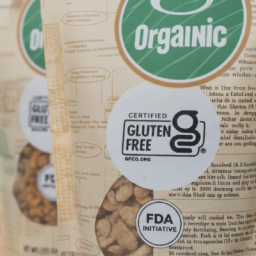
Plaintiff filed this putative nationwide class action alleging that Amazon deceptively markets and sells Orgain protein powders as clean, high-quality, nutritious products through claims such as “Cleaner Ingredients,” “Higher Standards,” “Quality Ingredients,” “USDA Organic,” and “Feel Good Energy,” while failing to disclose that the products allegedly contain detectable levels of lead, cadmium, and arsenic. The complaint cites testing by Consumer Reports, the Clean Label Project, and independent laboratories retained by Plaintiff’s counsel, which allegedly found lead levels up to 37.1 ppb, cadmium up to 87.9 ppb, and arsenic up to 18.8 ppb. Plaintiff alleges Amazon controlled the product detail pages, sold the products directly, knew or should have known of the contamination risk, and failed to require testing or disclose the presence of heavy metals. She claims she purchased approximately 36 containers for about $1,080 between 2022 and 2026 and would not have purchased them, or would have paid less, had the alleged contamination been disclosed. The action asserts claims under the Washington Consumer Protection Act and for fraudulent concealment, seeking class certification, damages, restitution, treble and punitive damages where available, injunctive relief, attorneys’ fees, and costs.
3. Caley Keene v. Lentiful, LLC
Plaintiff: Caley Keene
Defendant: Lentiful, LLC
Jurisdiction: United States District Court for the District of Colorado
Product Focus: Lentiful Instant Lentils products
Summary
Plaintiff filed this putative class action alleging that Lentiful deceptively markets its instant lentil products as “PACKED WITH PROTEIN” and containing “12g Protein,” while representing in the Nutrition Facts Panel that they provide 24% of the Daily Value for protein. According to the complaint, lentils have a PDCAAS of approximately 0.54 to 0.63, meaning the products allegedly provide only about 13% of the Daily Value when adjusted for protein quality and therefore do not qualify as high-protein products as represented. Plaintiff alleges she relied on these representations when purchasing the Mexican Green Chile product and would not have purchased it, or would have paid less, had she known the alleged truth. She seeks to represent California purchasers, asserting claims under the Colorado Consumer Protection Act, California’s CLRA, FAL and UCL, and unjust enrichment, and seeks class certification, damages, restitution, injunctive relief, punitive damages, and attorneys’ fees and costs.
4. Dawn Koss v. Taco Bell Corp. et al.
Plaintiff: Dawn Koss
Defendant: Taco Bell Corp.; Taco Bell of America, LLC; Taylor Fresh Foods, Inc. d/b/a Taylor Farms; Taylor Farms California, Inc.; and unidentified lettuce suppliers/growers
Jurisdiction: United States District Court for the Eastern District of Michigan, Southern Division
Product Focus: Lettuce and Taco Bell menu items containing lettuce
Summary
Plaintiff filed this putative class action arising from an alleged multistate Cyclospora outbreak linked to lettuce served at certain Taco Bell restaurants. According to the complaint, Plaintiff consumed food from a Taco Bell in Michigan on June 28, 2026, subsequently developed severe gastrointestinal symptoms, tested positive for Cyclospora, and required antibiotic treatment. Plaintiff alleges Defendants supplied, distributed, prepared, or served contaminated lettuce and failed to implement adequate supplier controls, testing, sanitation, traceability, and warning procedures. She seeks to represent a nationwide class and Michigan subclass of consumers who allegedly became ill from contaminated Taco Bell lettuce, asserting claims for strict product liability, negligence, breach of implied warranties, violation of the Michigan Consumer Protection Act, and negligence per se, and seeking compensatory and consequential damages, restitution, injunctive relief, and, where permitted, punitive damages.
5. Charles Lisa v. Unilever United States, Inc.
Plaintiff: Charles Lisa
Defendant: Unilever United States, Inc.
Jurisdiction: United States District Court for the Southern District of New York
Product Focus: Knorr Rice & Pasta Sides
Summary
Plaintiff filed this putative class action alleging that Unilever deceptively markets various Knorr Rice & Pasta Sides as containing “No Artificial Flavors or Preservatives,” despite allegedly containing citric acid, disodium inosinate, disodium guanylate, and/or sodium citrate, which the complaint characterizes as artificial flavors and/or preservatives. Plaintiff alleges he relied on the representation when purchasing Knorr Rice & Pasta Sides in New York and would not have purchased the product, or would have paid significantly less, had he known the alleged truth. He seeks to represent a nationwide class and New York subclass, asserting claims under New York General Business Law §§ 349 and 350, breach of express warranty, and unjust enrichment, and seeks class certification, compensatory and statutory damages, restitution, injunctive and corrective advertising relief, attorneys’ fees, and costs.
6. Madeleine Rogow and Adam Sorkin v. Amazon.com, Inc.
Plaintiff: Madeleine Rogow and Adam Sorkin
Defendant: Amazon.com, Inc.
Jurisdiction: U.S. District Court for the Western District of Washington, Seattle Division
Product Focus: Seafood products sold through Amazon
Summary
Plaintiffs filed this putative class action alleging that Amazon deceptively markets seafood products on its marketplace using environmental claims such as “sustainable,” “responsibly sourced,” “wild caught,” “traceable,” “MSC Certified Sustainable Seafood,” and “dolphin safe.” According to the complaint, these representations create the misleading impression that the products originate from environmentally responsible and sustainable fisheries, despite alleged limitations in seafood traceability, illegal fishing practices, and the reliability of MSC certification. Plaintiffs allege they relied on Amazon’s Product Detail Pages and paid premiums for products they believed were sustainable, and would not have purchased them or would have paid less absent the representations. The action seeks certification of a nationwide class and asserts claims under the Washington Consumer Protection Act and for fraudulent misrepresentation and concealment, seeking damages and injunctive relief.
7. Andrew Villaruel v. Red’s All Natural, LLC
Plaintiff: Andrew Villaruel
Defendant: Red’s All Natural, LLC
Jurisdiction: United States District Court for the Eastern District of New York
Product Focus: Red’s Steak, Cilantro and Lime Burritos
Summary
Plaintiff filed this putative class action alleging that Red’s All Natural failed to disclose egg, a major food allergen, on the labeling of its Steak, Cilantro and Lime Burritos. According to the complaint, on July 29, 2026, the USDA’s Food Safety and Inspection Service issued a public health alert concerning certain lots of the product due to misbranding and undeclared egg. Plaintiff alleges he purchased the burritos through Amazon Fresh for himself and his family, including a niece with an egg allergy, and relied on the product’s labeling in believing it did not contain egg. He seeks to represent nationwide and New York classes, asserting claims under New York General Business Law §§ 349 and 350, New York Agriculture and Markets Law § 201, and for breach of the implied warranty of merchantability, seeking class certification, monetary, statutory, treble and punitive damages, attorneys’ fees, and costs.
8. Michael Xavier v. Flagstone Foods LLC d/b/a Emerald Nuts
Plaintiff: Michael Xavier
Defendant: Flagstone Foods LLC d/b/a Emerald Nuts
Jurisdiction: United States District Court for the Eastern District of California
Product Focus: Emerald Nuts snack products
Summary
Plaintiff filed this putative class action alleging that Flagstone Foods deceptively markets various Emerald Nuts products as containing “No Artificial Flavors, Preservatives, or Synthetic Colors,” despite allegedly containing citric acid and maltodextrin, which the complaint characterizes as artificial flavors and preservatives. Plaintiff alleges he relied on these representations when purchasing an Emerald Variety Pack at Walmart in California and would not have purchased the product, or would have paid significantly less, had he known its alleged true composition. He seeks to represent California consumers and a multi-state consumer protection class, asserting claims under state consumer protection statutes, California’s CLRA, FAL and UCL, breach of express and implied warranties, and unjust enrichment, and seeks class certification, damages, restitution, disgorgement, injunctive relief, punitive damages, attorneys’ fees, and costs.
9. Aman Chughtai and Tooba Chughtai v. ByHeart, Inc. et al.
Plaintiff: Aman Chughtai and Tooba Chughtai, on behalf of A.C., a minor
Defendant: ByHeart, Inc.; Target Corporation; Organic West Milk, Inc.; and Dairy Farmers of America, Inc.
Jurisdiction: United States District Court for the Western District of Washington, Seattle Division
Product Focus: ByHeart Whole Nutrition powdered infant formula allegedly contaminated with Clostridium botulinum
Summary
Plaintiffs filed this product liability action alleging that their infant son, A.C., developed infant botulism after consuming ByHeart Whole Nutrition powdered infant formula purchased at Target and allegedly contaminated with Clostridium botulinum. According to the complaint, A.C. became ill in February 2024, tested positive for type A botulism, received BabyBIG treatment, and was hospitalized for approximately 38 days. His case was later included in the multistate ByHeart outbreak, which the complaint states involved 48 infants across 17 states. Plaintiffs allege that ByHeart and its dairy suppliers manufactured or supplied contaminated formula or ingredients and that Target sold the defective product. They assert claims for strict products liability under the Washington Product Liability Act, breach of warranty, negligence, and parental injury, seeking compensatory damages, medical and related expenses, emotional-distress damages, attorneys’ fees, costs, and other relief.
10. Annette Alarcon v. Keurig Dr Pepper Inc.
Plaintiff: Annette Alarcon
Defendant: Keurig Dr Pepper Inc.
Jurisdiction: United States District Court for the Central District of California
Product Focus: Nantucket Nectars Juice Blend Cocktails
Summary
Plaintiff filed this putative class action alleging that Keurig Dr Pepper deceptively markets Nantucket Nectars Juice Blend Cocktails as made with “All Natural Ingredients,” even though the products allegedly contain manufactured citric acid, which the complaint characterizes as a synthetic, industrially produced ingredient. Plaintiff alleges she purchased Orange Mango and Pomegranate Pear flavors from Walmart stores in California, relied on the “All Natural Ingredients” representation, and would not have purchased the products, or would have paid less, had she known the alleged truth. She seeks to represent California consumers who purchased the products, asserting claims for breach of express warranty, violations of California’s UCL, FAL and CLRA, and unjust enrichment, and seeks class certification, restitution, damages, disgorgement, injunctive and declaratory relief, punitive damages where available, and attorneys’ fees and costs.
11. Annette Alarcon and Conni Randwulf v. WM. Bolthouse Farms, Inc.
Plaintiff: Annette Alarcon and Conni Randwulf
Defendant: WM. Bolthouse Farms, Inc.
Jurisdiction: United States District Court for the Central District of California
Product Focus: Bolthouse Farms smoothies, including Golden Goodness, Blue Goodness, Green Goodness, and Protein Plus
Summary
Plaintiffs filed this putative class action alleging that Bolthouse Farms deceptively markets its smoothies as containing “No Artificial Preservatives,” even though the products allegedly contain commercially manufactured ascorbic acid, which the complaint characterizes as a synthetic chemical preservative. Plaintiffs further cite independent testing allegedly showing that ascorbic acid is present in sufficient quantities to contribute to preservation. They allege they relied on the challenged labeling, paid a price premium, and would not have purchased the products, or would have paid less, had they known their alleged true composition. Plaintiffs seek to represent California purchasers, asserting claims for breach of express warranty, violations of California’s UCL, FAL and CLRA, and unjust enrichment, and seek class certification, restitution, damages, disgorgement, injunctive relief, punitive damages where available, and attorneys’ fees and costs.
12. Anthony Ciccierella v. Sazerac Company Inc.
Plaintiff: Anthony Ciccierella
Defendant: Sazerac Company Inc.
Jurisdiction: Supreme Court of the State of New York, Westchester County
Product Focus: Stirrings Simple Lemon Drop Cocktail Mix
Summary
Plaintiff filed this putative class action alleging that Sazerac deceptively markets its Stirrings Simple Lemon Drop Cocktail Mix as containing “No Preservatives,” even though the product lists ascorbic acid as an ingredient. According to the complaint, the commercially produced ascorbic acid is a synthetic ingredient that allegedly performs preservative functions by preventing oxidation, lowering pH, inhibiting microbial spoilage, and otherwise retarding deterioration. Plaintiff alleges he relied on the “No Preservatives” representation when purchasing the product in New York and paid a price premium he otherwise would not have paid. He seeks to represent New York consumers who purchased the product, asserting claims under New York General Business Law §§ 349 and 350 and Agriculture and Markets Law § 201, and seeks actual damages, attorneys’ fees, and class certification.
13. Bernadette Woods v. Walmart Inc.
Plaintiff: Bernadette Woods
Defendant: Walmart Inc.
Jurisdiction: Supreme Court of the State of New York, Dutchess County
Product Focus: Great Value Chive & Onion Cream Cheese Spread
Summary
Plaintiff filed this putative class action alleging that Walmart deceptively markets its Great Value Chive & Onion Cream Cheese Spread as containing “No Artificial Preservatives,” even though the product contains lactic acid. According to the complaint, commercially produced lactic acid is an artificially manufactured ingredient that allegedly performs preservative functions in the product, including lowering pH and inhibiting the growth of spoilage microorganisms. Plaintiff alleges she relied on the “No Artificial Preservatives” representation when purchasing the product in New York and paid a price premium she otherwise would not have paid. She seeks to represent New York consumers who purchased the product, asserting claims under New York General Business Law §§ 349 and 350 and Agriculture and Markets Law § 201, and seeks actual damages, attorneys’ fees, and class certification.
14. Christina Borquez et al. v. Olly Public Benefit Corporation
Plaintiff: Christina Borquez, Trish Falcon, Randi Gardner, and Alicia Hinestrosa
Defendant: Olly Public Benefit Corporation
Jurisdiction: United States District Court for the Southern District of California
Product Focus: OLLY Kids Sleep melatonin gummies
Summary
Plaintiffs filed this putative class action alleging that Olly deceptively markets its Kids Sleep melatonin gummies as a safe and effective sleep aid for children through claims such as “gentle supporter of sleep,” “kid-friendly amount of Melatonin,” and support for “healthy sleep cycles.” According to the complaint, melatonin is allegedly unsafe for children, and Olly’s sleep-treatment and efficacy claims render Kids Sleep an unapproved new drug that has not received FDA approval. Plaintiffs allege they relied on Olly’s safety and efficacy representations when purchasing the product and would not have purchased it had they known the alleged truth. They seek to represent nationwide, California, Arizona, and Wisconsin classes, asserting claims under California’s UCL, FAL and CLRA, the Arizona Consumer Fraud Act, and Wisconsin consumer-protection law, and seek restitution, damages, disgorgement, corrective advertising, injunctive relief, punitive damages, and attorneys’ fees and costs.
15. Denise Elia v. Target Corporation
Plaintiff: Denise Elia
Defendant: Target Corporation
Jurisdiction: Supreme Court of the State of New York, Richmond County
Product Focus: Good & Gather White Cheddar Macaroni & Cheese
Summary
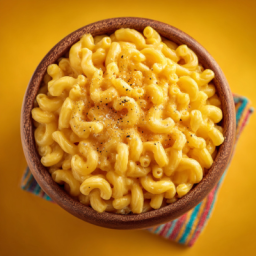
Plaintiff filed this putative class action alleging that Target deceptively markets its Good & Gather White Cheddar Macaroni & Cheese as containing “No Artificial Preservatives,” despite the product containing sodium phosphate. According to the complaint, sodium phosphate is an artificially produced chemical that allegedly performs preservative functions in the product, including stabilizing pH, inhibiting microbial growth and oxidation, preventing spoilage, and extending shelf life. Plaintiff alleges she relied on the “No Artificial Preservatives” representation when purchasing the product in New York and paid a price premium she otherwise would not have paid. She seeks to represent a class of New York consumers, asserting claims under New York General Business Law §§ 349 and 350 and Agriculture and Markets Law § 201, and seeks actual damages, attorneys’ fees, and class certification.
16. G.A. Nelson v. Nara Organics, Inc. and Organic West Milk, Inc.
Plaintiff: G.A. Nelson
Defendant: Nara Organics, Inc. and Organic West Milk, Inc.
Jurisdiction: United States District Court for the Southern District of New York
Product Focus: Nara Organics Whole Milk Organic Powdered Infant Formula
Summary
Plaintiff filed this putative class action alleging that Defendants manufactured, supplied, marketed, and sold Nara Organics infant formula that contained or was at risk of containing Clostridium botulinum, without disclosing the contamination risk to consumers. According to the complaint, an FDA investigation identified four infant botulism illnesses associated with the products, leading to a voluntary recall on June 13, 2026, and traceback efforts allegedly linked the affected formula to milk supplied by Organic West Milk. Plaintiff alleges he relied on the product packaging and representations regarding its safety and would not have purchased the formula, or would have paid less, had the contamination risk been disclosed. He seeks to represent nationwide and New York classes, asserting claims under New York General Business Law §§ 349 and 350, negligence, unjust enrichment, and breach of implied warranty of merchantability, and seeks damages, restitution, injunctive relief, attorneys’ fees, and class certification.
17. Juan Carpio v. Santini Foods, Inc.
Plaintiff: Juan Carpio
Defendant: Santini Foods, Inc.
Jurisdiction: Superior Court of California, Alameda County
Product Focus: California Farms Sweetened Condensed
Summary
Plaintiff filed this putative class action alleging that Santini Foods deceptively labels its California Farms products as “Sweetened Condensed Milk” even though they contain potassium sorbate, a chemical preservative allegedly not permitted under the federal standard of identity for sweetened condensed milk established by 21 C.F.R. § 131.120. According to the complaint, independent testing confirmed the presence of potassium sorbate, allegedly rendering the products noncompliant with the standard and misleadingly labeled. Plaintiff alleges he relied on the standardized product name when purchasing the products in New York and would not have purchased them, or would have paid less, had he known their alleged true composition. He seeks to represent nationwide and New York classes, asserting claims for fraud and violations of New York General Business Law §§ 349 and 350, and seeks damages, restitution, injunctive relief, attorneys’ fees, and class certification.
18. Karen Hook v. Unilever United States and The LIV Group, Inc.
Plaintiff: Karen Hook
Defendant: Unilever United States and The LIV Group, Inc.
Jurisdiction: United States District Court for the Central District of California
Product Focus: Liquid I.V. Sugar-Free Hydration Multiplier electrolyte drink mix products
Summary
Plaintiff filed this putative class action alleging that Defendants deceptively market Liquid I.V. Sugar-Free Hydration Multiplier products as “Sugar-Free,” “Zero Sugar,” and “0 Sugar,” even though the products allegedly contain four grams of allulose per serving and list allulose as their predominant ingredient. According to the complaint, allulose is a monosaccharide that qualifies as sugar under applicable federal regulations, allegedly making the challenged sugar-free representations false and misleading. Plaintiff alleges she relied on the “Sugar-Free” representation when purchasing Liquid I.V. Lemon Lime Hydration Multiplier at Costco and would not have purchased it, or would have paid substantially less, had she known it contained allulose. She seeks to represent similarly situated consumers, asserting claims under California’s UCL, FAL and CLRA, breach of express warranty, and unjust enrichment, and seeks damages, restitution, disgorgement, injunctive relief, punitive damages, attorneys’ fees, and costs.
19. Kirsten Granados v. Arrae, Inc.
Plaintiff: Kirsten Granados
Defendant: Arrae, Inc.
Jurisdiction: United States District Court for the Central District of California
Product Focus: Arrae Tone 5g Creatine Gummies
Summary
Plaintiff filed this putative class action alleging that Arrae deceptively markets its Tone Creatine Gummies by prominently advertising “5g creatine” alongside the number of gummies on the front label, allegedly leading reasonable consumers to believe that each gummy contains 5 grams of creatine. According to the complaint, consumers must actually consume four gummies to obtain the advertised 5-gram dosage. Plaintiff alleges she relied on the dosage representation when purchasing the product on Amazon and would not have purchased it, or would have paid less, had she known the alleged true dosage. She seeks to represent nationwide and California classes, asserting claims under California’s UCL, FAL and CLRA, breach of express and implied warranties, negligent and intentional misrepresentation, and unjust enrichment, and seeks damages, restitution, disgorgement, injunctive relief, punitive damages, attorneys’ fees, and class certification.
20. LaTonya Wright v. McCormick & Company, Inc.
Plaintiff: LaTonya Wright
Defendant: McCormick & Company, Inc.
Jurisdiction: United States District Court for the Eastern District of New York
Product Focus: Cholula Original Hot Sauce
Summary
Plaintiff filed this putative class action alleging that McCormick deceptively markets Cholula Original Hot Sauce as the authentic “Original” product made from a generations-old Mexican recipe, despite allegedly materially reformulating the sauce after acquiring the Cholula brand in 2020. According to the complaint, McCormick replaced or altered traditional ingredients by adding acetic acid and “natural flavor” and increasing the proportion of xanthan gum, while continuing to use the product’s distinctive branding, “Original” designation, and representations of authentic Mexican flavor. Plaintiff alleges she relied on these representations when purchasing the product and would not have purchased it, or would have paid less, had the reformulation been disclosed. She seeks to represent New York consumers, asserting claims under New York General Business Law §§ 349 and 350 and seeking monetary and statutory damages, restitution, disgorgement, attorneys’ fees, costs, and class certification.
21. Michael Giles v. Taylor Fresh Foods, Inc., Taylor Farms California, Inc., and Taco Bell of America, LLC
Plaintiff: Michael Giles
Defendant: Taylor Fresh Foods, Inc.; Taylor Farms California, Inc.; and Taco Bell of America, LLC
Jurisdiction: United States District Court for the Northern District of California
Product Focus: Iceberg lettuce served in Taco Bell food products
Summary
Plaintiff filed this putative class action alleging that Defendants manufactured, supplied, distributed, and sold iceberg lettuce contaminated with Cyclospora, a parasite that can cause cyclosporiasis. According to the complaint, federal investigators identified lettuce supplied by Taylor Fresh Foods as a source of a July 2026 multistate outbreak linked to certain Taco Bell locations. Plaintiff alleges he consumed lettuce-containing food from a Taco Bell in Florida on June 14, 2026 and subsequently developed stomach aches, diarrhea, fatigue, and dehydration. He contends Defendants failed to adequately test the lettuce or disclose its contamination risk. Plaintiff seeks to represent a nationwide class of consumers who consumed contaminated Taco Bell lettuce, asserting claims under California’s UCL, unjust enrichment, strict product liability, breach of warranty, and negligence, and seeks damages, restitution, injunctive relief, attorneys’ fees, costs, and class certification.
22. R.G. v. ByHeart, Inc. et al.
Plaintiff: R.G., a minor, by and through her guardians ad litem, Andria Galindo and Byron Galindo
Defendant: ByHeart, Inc.; Target Corporation; Organic West Milk, Inc.; Dairy Farmers of America, Inc.; and Does 1 through 50
Jurisdiction: Superior Court of California, County of Los Angeles
Product Focus: ByHeart Whole Nutrition powdered infant formula
Summary
Plaintiffs filed this action alleging that ByHeart Whole Nutrition powdered infant formula consumed by R.G. was contaminated with Clostridium botulinum and caused her to develop infant botulism. According to the complaint, R.G. began consuming the formula in December 2023 and subsequently developed constipation, weakness, feeding difficulties, and other neurological symptoms, requiring hospitalization and treatment with BabyBIG. Testing allegedly confirmed botulinum neurotoxin type A. Plaintiffs contend that ByHeart and the other Defendants manufactured, supplied, processed, distributed, or sold the contaminated formula or its dairy ingredients and failed to ensure its safety. The complaint asserts claims for strict product liability, breach of express and implied warranties, and negligence, and seeks damages for medical expenses, pain and suffering, physical impairment, emotional distress, lost earnings and earning capacity, caregiving services, future medical care, attorneys’ fees, costs, and prejudgment interest.
23. Robert Volpi v. Continental Mills Inc.
Plaintiff: Robert Volpi
Defendant: Continental Mills Inc.
Jurisdiction: Supreme Court of the State of New York, Westchester County
Product Focus: Krusteaz Cinnamon Swirl Crumb Cake & Muffin Mix
Summary
Plaintiff filed this putative class action alleging that Continental Mills deceptively markets its Krusteaz Cinnamon Swirl Crumb Cake & Muffin Mix as containing “No Artificial Preservatives,” despite the product containing silicon dioxide. According to the complaint, silicon dioxide is an artificially produced chemical that allegedly performs preservative functions in the product, including reducing moisture, limiting microbial growth and oxidation, preventing spoilage, and extending shelf life. Plaintiff alleges he relied on the “No Artificial Preservatives” representation when purchasing the product in New York and paid a price premium he otherwise would not have paid. He seeks to represent New York consumers, asserting claims under New York General Business Law §§ 349 and 350 and Agriculture and Markets Law § 201, and seeks actual damages, attorneys’ fees, and class certification.
24. Selassie Edwards v. Unilever United States, Inc.
Plaintiff: Selassie Edwards
Defendant: Unilever United States, Inc.
Jurisdiction: United States District Court for the Southern District of New York
Product Focus: Knorr Professional, Sides, and Pasta Cup products
Summary
Plaintiff filed this putative class action alleging that Unilever deceptively markets numerous Knorr products as containing “No Artificial Preservatives,” despite the products containing citric acid. According to the complaint, the citric acid used in the products is allegedly an artificially manufactured ingredient that functions as a preservative through antioxidant and antimicrobial properties, including slowing oxidation and inhibiting microbial growth. Plaintiff alleges he relied on the preservative-free representations when purchasing multiple Knorr products and paid a price premium he otherwise would not have paid. He seeks to represent nationwide and New York classes, asserting claims under New York General Business Law §§ 349 and 350 and for breach of express warranty, and seeks compensatory and statutory damages, restitution, injunctive and corrective advertising relief, attorneys’ fees, and class certification.
25. Alex Merrick v. Mars Food US, LLC d/b/a Seeds of Change
Plaintiff: Alex Merrick
Defendant: Mars Food US, LLC d/b/a Seeds of Change
Jurisdiction: United States District Court for the Southern District of California
Product Focus: Seeds of Change Organic Quinoa, Brown & Red Rice with Flaxseed
Summary
Plaintiff filed this putative class action alleging that Seeds of Change deceptively markets its Organic Quinoa, Brown & Red Rice with Flaxseed product by prominently listing quinoa first in the product name, allegedly leading reasonable consumers to believe quinoa is a main or substantial ingredient. According to the complaint, the ingredient list instead identifies quinoa among ingredients comprising less than 2% of the product. Plaintiff alleges she relied on the quinoa representation when purchasing the product in California and paid a premium she otherwise would not have paid. She seeks to represent nationwide and California classes, asserting claims under California’s UCL, FAL and CLRA, as well as unjust enrichment and negligent misrepresentation, and seeks restitution, injunctive relief, disgorgement, attorneys’ fees, costs, and class certification.
26. Christopher Vantil v. Hyland’s Inc.
Plaintiff: Christopher Vantil
Defendant: Hyland’s Inc.
Jurisdiction: Supreme Court of the State of New York, Dutchess County
Product Focus: Hyland’s Zen Sleep + Immunity melatonin gummies
Summary
Plaintiff filed this putative class action alleging that Hyland’s deceptively markets its Zen Sleep + Immunity gummies by displaying “3 mg Melatonin” and “42 Vegan Gummies” on the front label, allegedly leading reasonable consumers to believe that each gummy contains 3 mg of melatonin and that the container provides 42 such servings. According to the complaint, 3 mg is actually provided by a two-gummy serving, meaning each gummy contains 1.5 mg and the container provides only 21 servings, or 63 mg of melatonin in total. Plaintiff alleges he relied on these representations when purchasing the product in New York and paid a price premium. He seeks to represent New York consumers, asserting claims under New York General Business Law §§ 349 and 350 and Agriculture and Markets Law §§ 193 and 201, and seeks actual damages, attorneys’ fees, and class certification.
27. David Freifeld v. Magic Spoon Inc.
Plaintiff: David Freifeld
Defendant: Magic Spoon Inc.
Jurisdiction: United States District Court for the Northern District of Illinois, Eastern Division
Product Focus: Magic Spoon Protein Cereals
Summary
Plaintiff filed this putative class action alleging that Magic Spoon deceptively markets its protein cereals as containing “0g Total Sugars” and being sugar-free, even though the products allegedly contain 10 grams of allulose per serving. According to the complaint, allulose is a monosaccharide and therefore qualifies as a sugar under applicable FDA regulations, making the products’ zero-sugar representations false and misleading. Plaintiff alleges he relied on these representations when purchasing Magic Spoon Fruity Protein Cereal in Illinois and paid a price premium he otherwise would not have paid. He seeks to represent nationwide, multi-state, and Illinois classes, asserting claims under the Illinois Consumer Fraud and Deceptive Business Practices Act, New York General Business Law §§ 349 and 350, various state consumer-protection statutes, and unjust enrichment, and seeks damages, restitution, disgorgement, injunctive relief, punitive damages, and attorneys’ fees and costs.
28. Deborah Bautista v. Snyder’s-Lance, Inc.
Plaintiff: Deborah Bautista
Defendant: Snyder’s-Lance, Inc.
Jurisdiction: Superior Court of the State of California, County of San Francisco
Product Focus: Kettle Brand Sea Salt with a Hint of Pink Peppercorn potato chips
Summary
Plaintiff filed this putative class action alleging that Snyder’s-Lance deceptively markets Kettle Brand Sea Salt with a Hint of Pink Peppercorn potato chips as “MADE WITH AVOCADO OIL,” with avocado oil listed as the sole oil ingredient, even though testing allegedly found the oil inconsistent with authentic avocado oil. According to the complaint, a July 2026 UC Davis study tested two lots of the product and identified multiple fatty-acid and sterol markers allegedly consistent with substitution or material dilution by another vegetable oil. Plaintiff alleges she relied on the avocado-oil representations, considered the type of oil material to her purchase, and paid a price premium. She seeks to represent California purchasers, asserting claims under California’s CLRA and UCL and for breach of express warranty, and seeks restitution, damages, injunctive and corrective advertising relief, attorneys’ fees, and class certification.
29. Debra Bachman v. Garza Food Ventures, LLC d/b/a Siete Foods et al.
Plaintiff: Debra Bachman
Defendant: Garza Food Ventures, LLC d/b/a Siete Foods; PepsiCo, Inc.
Jurisdiction: Superior Court of the State of California, County of San Francisco
Product Focus: Siete corn tortilla chips, grain free tortilla chips, potato chips, and grain free puff snacks
Summary
Plaintiff filed this putative class action alleging that Garza Food Ventures and PepsiCo deceptively market Siete snack products as “MADE WITH AVOCADO OIL” and list avocado oil as the only fatty oil ingredient, leading consumers to believe the products are made exclusively with pure avocado oil. According to the complaint, a 2026 UC Davis study found that tested Siete products had fatty-acid and sterol profiles inconsistent with authentic avocado oil and allegedly consistent with substitution or dilution using other vegetable oils. Plaintiff alleges she relied on these representations when making multiple purchases in California and paid a price premium. She seeks to represent California purchasers, asserting claims under California’s FAL, UCL, and CLRA, and seeks damages, restitution, disgorgement, injunctive relief, attorneys’ fees, and class certification.
30. Ezekiel Schultz v. Utz Brands, Inc.
Plaintiff: Ezekiel Schultz
Defendant: Utz Brands, Inc.
Jurisdiction: United States District Court for the Eastern District of New York
Product Focus: Boulder Canyon Avocado Oil Classic Sea Salt Kettle Style Potato Chips
Summary
Plaintiff filed this putative class action alleging that Utz deceptively markets its Boulder Canyon Avocado Oil Classic Sea Salt Kettle Style Potato Chips as made exclusively with avocado oil, including prominently displaying “Avocado Oil” on the front packaging and listing avocado oil as the only oil ingredient. According to the complaint, a 2026 UC Davis study tested two production lots and allegedly found that neither was compositionally consistent with authentic avocado oil, instead showing characteristics associated with cheaper refined vegetable oils. Plaintiff alleges he relied on the avocado-oil representations when purchasing the product in New York and paid a price premium. He seeks to represent nationwide and New York classes, asserting claims under New York General Business Law §§ 349 and 350, intentional misrepresentation, breach of express and implied warranties, and unjust enrichment, and seeks damages, restitution, injunctive relief, and attorneys’ fees and costs.
31. Gil Jacob Abadi v. Chosen Foods, LLC
Plaintiff: Gil Jacob Abadi
Defendant: Chosen Foods, LLC
Jurisdiction: United States District Court for the Southern District of New York
Product Focus: Chosen Foods Classic Avocado Oil Mayonnaise, Vegan Avocado Oil Mayonnaise, Lemon Garlic Avocado Oil Dressing & Marinade, and Zesty Italian Avocado Oil Dressing & Marinade
Summary
Plaintiff filed this putative class action alleging that Chosen Foods deceptively markets its mayonnaise and dressing products as “made with 100% pure avocado oil,” despite testing allegedly showing that the oil in the products is compositionally inconsistent with authentic avocado oil. According to the complaint, a 2026 UC Davis study tested two production lots of each product and allegedly found fatty-acid and sterol profiles indicating substitution or dilution with cheaper refined vegetable or seed oils. Plaintiff alleges he relied on the avocado-oil representations when purchasing Classic Avocado Oil Mayonnaise and paid a price premium. He seeks to represent a nationwide class and multiple state subclasses, asserting consumer-protection claims across numerous jurisdictions, as well as intentional misrepresentation and unjust enrichment, and seeks damages, restitution, injunctive relief, statutory and punitive damages where available, and attorneys’ fees and costs.
32. Diana Heiland v. The Campbell’s Company d/b/a Kettle Brand
Plaintiff: Diana Heiland
Defendant: The Campbell’s Company d/b/a Kettle Brand
Jurisdiction: United States District Court for the Eastern District of California
Product Focus: Kettle Brand Avocado Oil Sea Salt With a Hint of Pink Peppercorn Potato Chips
Summary
Plaintiff filed this putative class action alleging that Kettle Brand deceptively markets its Avocado Oil Sea Salt With a Hint of Pink Peppercorn Potato Chips as “Made with Avocado Oil,” while the ingredient list identifies avocado oil as the only oil, despite scientific testing allegedly showing that the oil is inconsistent with authentic avocado oil. According to the complaint, a 2026 UC Davis study tested two production lots and allegedly found compositional profiles consistent with cheaper refined vegetable or seed oils. Plaintiff alleges she relied on the avocado-oil representation, purchased the product as an alternative to snacks made with seed oils, and paid a price premium. She seeks to represent nationwide and California classes, asserting claims under California’s CLRA, UCL and FAL, breach of express warranty, and unjust enrichment, and seeks restitution, injunctive relief, attorneys’ fees, costs, and class certification.
33. James Baus v. Unilever United States, Inc. and The Liv Group, Inc.
Plaintiff: James Baus
Defendant: Unilever United States, Inc. and The Liv Group, Inc.
Jurisdiction: United States District Court for the Northern District of California
Product Focus: Liquid I.V. Hydration Multiplier Sugar-Free electrolyte drink mix products
Summary
Plaintiff filed this putative class action alleging that Defendants deceptively market Liquid I.V. Sugar-Free Hydration Multiplier products as “Sugar-Free,” “Zero Sugar,” and “0 Sugar,” even though they allegedly contain four grams of allulose per serving. According to the complaint, allulose is a monosaccharide and therefore qualifies as a sugar under applicable FDA regulations, and it is the first-listed and predominant ingredient in the products. Plaintiff alleges he relied on the sugar-free representations when purchasing Liquid I.V. and would not have purchased the product, or would have paid substantially less, had he known the alleged truth. He seeks to represent nationwide and California classes, asserting claims under California’s UCL, FAL and CLRA, breach of express warranty, and unjust enrichment, and seeks restitution, injunctive relief, damages, attorneys’ fees, costs, and class certification.
34. Joanna Bayer and Joshua Mokelu v. Garza Food Ventures, LLC d/b/a Siete Family Foods
Plaintiff: Joanna Bayer and Joshua Mokelu
Defendant: Garza Food Ventures, LLC d/b/a Siete Family Foods
Jurisdiction: United States District Court for the Northern District of California
Product Focus: Siete Kettle Cooked Sea Salt Potato Chips and Maíz Sea Salt Corn Tortilla Chips
Summary
Plaintiffs filed this putative class action alleging that Siete deceptively markets its potato and corn tortilla chips as “Made with Avocado Oil” and lists avocado oil as the only oil ingredient, despite scientific testing allegedly showing that the oil is inconsistent with authentic avocado oil. According to the complaint, a July 2026 UC Davis study tested two production lots of each product and allegedly found compositional profiles consistent with cheaper refined vegetable or seed oils, indicating substitution or dilution. Plaintiffs allege they relied on the avocado-oil representations when purchasing the products in California and paid a price premium. They seek to represent nationwide and California classes, asserting claims under California’s CLRA, UCL and FAL, breach of express warranty, and unjust enrichment, and seek restitution, injunctive relief, attorneys’ fees, costs, and class certification.
35. Joanna Bayer v. Utz Brands, Inc.
Plaintiff: Joanna Bayer
Defendant: Utz Brands, Inc.
Jurisdiction: United States District Court for the Northern District of California
Product Focus: Boulder Canyon Avocado Oil Classic Sea Salt Kettle Style Potato Chips
Summary
Plaintiff filed this putative class action alleging that Utz deceptively markets its Boulder Canyon potato chips as made with “Avocado Oil” and lists avocado oil as the only oil ingredient, despite scientific testing allegedly showing that the oil is inconsistent with authentic avocado oil. According to the complaint, a July 2026 UC Davis study tested two production lots of the product and allegedly found compositional profiles consistent with cheaper refined vegetable or seed oils, indicating substitution or dilution. Plaintiff alleges she relied on the avocado-oil representations when purchasing the product in California and paid a price premium. She seeks to represent nationwide and California classes, asserting claims under California’s CLRA, UCL and FAL, breach of express warranty, and unjust enrichment, and seeks restitution, injunctive relief, attorneys’ fees, costs, and class certification.
36. Max Nicholas Ulrich and Sabrina Zahir v. The LIV Group, Inc.
Plaintiff: Max Nicholas Ulrich and Sabrina Zahir
Defendant: The LIV Group, Inc.
Jurisdiction: United States District Court for the Northern District of California
Product Focus: Liquid I.V. Hydration Multiplier Sugar-Free Electrolyte Drink Mix products
Summary
Plaintiffs filed this putative class action alleging that The LIV Group deceptively markets Liquid I.V. Hydration Multiplier products as “Sugar Free,” “Zero Sugar,” and “0 Sugar,” despite containing four or five grams of allulose per serving. According to the complaint, allulose is a monosaccharide and therefore a sugar under applicable federal and California labeling standards, and the amounts allegedly exceed the 0.5-gram threshold for a “sugar free” claim. Plaintiffs allege they relied on the representations when purchasing the products and paid a price premium. They seek to represent nationwide, multi-state, California, and New York classes, asserting claims under California’s CLRA, UCL and FAL, New York GBL §§ 349 and 350, other state consumer-protection laws, breach of express warranty, and unjust enrichment, and seek damages, restitution, injunctive relief, and attorneys’ fees and costs.
37. Sasha Kerkmann Hood et al. v. Primal Nutrition, LLC
Plaintiff: Sasha Kerkmann Hood, Cara Brand, Courtney Walker, and Joanna Van Vleck
Defendant: Primal Nutrition, LLC
Jurisdiction: United States District Court for the Central District of California
Product Focus: Primal Kitchen avocado-oil-based condiments, dressings, and mayonnaise
Summary
Plaintiffs filed this putative class action alleging that Primal Nutrition deceptively markets Primal Kitchen products as containing avocado oil as their sole edible oil when laboratory testing allegedly found their oil composition inconsistent with authentic avocado oil. According to the complaint, a July 2026 UC Davis study tested two production lots each of Primal Kitchen Avocado Oil and Vinegar Vinaigrette, Italian Dressing, and Real Mayonnaise and allegedly found all six samples consistent with substitution or dilution by cheaper seed oils. Plaintiffs allege they relied on the avocado-oil representations and paid a price premium. They seek to represent nationwide and California classes, asserting claims under California’s CLRA, UCL and FAL, breach of express and implied warranties, and unjust enrichment, and seek damages, restitution, disgorgement, injunctive relief, punitive damages, and attorneys’ fees and costs.
38. Stephanie Huerta v. McCormick & Company, Inc.
Plaintiff: Stephanie Huerta
Defendant: McCormick & Company, Inc.
Jurisdiction: United States District Court for the Northern District of Illinois, Eastern Division
Product Focus: Cholula Original Hot Sauce
Summary
Plaintiff filed this putative class action alleging that McCormick deceptively markets Cholula Original Hot Sauce as the authentic “Original” product made from a generations-old Mexican recipe, despite allegedly materially reformulating it after acquiring the Cholula brand in 2020. According to the complaint, McCormick replaced or altered traditional ingredients by adding acetic acid and “natural flavor” and increasing the prominence of xanthan gum, while continuing to use the Product’s iconic branding and “Original” representations without disclosing the changes. Plaintiff alleges she relied on the front-label representations and paid a price premium. She seeks to represent Illinois and multi-state classes, asserting claims under the Illinois Consumer Fraud and Deceptive Business Practices Act, similar state consumer-protection statutes, and unjust enrichment, and seeks damages, restitution, disgorgement, punitive damages, attorneys’ fees, costs, and class certification.
39. Thomas Treasure v. Chosen Foods LLC
Plaintiff: Thomas Treasure
Defendant: Chosen Foods LLC
Jurisdiction: United States District Court for the Southern District of California
Product Focus: Chosen Foods Classic Mayo, Vegan Mayo, Lemon Garlic Dressing & Marinade, and Zesty Italian Dressing & Marinade
Summary
Plaintiff filed this putative class action alleging that Chosen Foods deceptively markets its mayonnaise, dressings, and marinades as made with “100% Pure Avocado Oil” and free from other oils, despite scientific testing allegedly showing otherwise. According to the complaint, a 2026 UC Davis study tested two samples of each of four Chosen Foods products and found all eight samples compositionally inconsistent with authentic avocado oil, with results allegedly indicating substitution or dilution with other vegetable or seed oils. Plaintiff alleges he relied on the avocado-oil representations when purchasing Classic Mayo and paid a price premium. He seeks to represent nationwide and Maryland classes, asserting claims under California’s UCL and CLRA, the Maryland Consumer Protection Act, and breach of contract, and seeks damages, restitution, disgorgement, injunctive relief, punitive damages, attorneys’ fees, and class certification.
40. Ari Bender-Long v. WK Kellogg Co
Plaintiff: Ari Bender-Long
Defendant: WK Kellogg Co
Jurisdiction: United States District Court for the Central District of California
Product Focus: Kellogg’s Special K cereals
Summary
Plaintiff filed this putative class action alleging that WK Kellogg deceptively markets certain Special K cereals as containing “ZERO ADDED SUGAR” or “0g ADDED SUGAR,” even though the products contain allulose syrup. According to the complaint, allulose is a monosaccharide and therefore a sugar under applicable federal and California labeling standards, with the challenged cereals containing 3 or 4 grams of allulose per serving. Plaintiff alleges he relied on the zero-added-sugar representation when purchasing Special K Plus Strawberry Crème cereal in California and paid a price premium. He seeks to represent nationwide, multi-state, and California classes, asserting claims under California’s CLRA, UCL and FAL, materially similar state consumer-protection laws, breach of express warranty, and unjust enrichment, and seeks damages, restitution, injunctive relief, attorneys’ fees, and class certification.
41. Ashley Kerney v. BetterBody Foods & Nutrition LLC
Plaintiff: Ashley Kerney
Defendant: BetterBody Foods & Nutrition LLC
Jurisdiction: Superior Court of the State of California, County of Napa
Product Focus: BetterBody Foods Avocado Oil Mayo
Summary
Plaintiff filed this putative class action alleging that BetterBody deceptively markets its Avocado Oil Mayo as made with authentic avocado oil as its sole vegetable oil, despite scientific testing allegedly showing otherwise. According to the complaint, a July 2026 UC Davis study tested two separately sourced lots of the product and found both compositionally inconsistent with authentic avocado oil across multiple fatty-acid and sterol markers, allegedly indicating substitution or material dilution with another vegetable oil. Plaintiff alleges she relied on the avocado-oil representations when purchasing the product in California and paid a price premium. She seeks to represent California purchasers, asserting claims under California’s CLRA and UCL and for breach of express warranty, and seeks damages, restitution, injunctive and corrective advertising relief, attorneys’ fees, costs, and class certification.
42. Bianca Mirzaian v. Magic Spoon, Inc.
Plaintiff: Bianca Mirzaian
Defendant: Magic Spoon, Inc.
Jurisdiction: United States District Court for the Southern District of New York
Product Focus: Magic Spoon cereals
Summary
Plaintiff filed this putative class action alleging that Magic Spoon deceptively markets its cereals as containing “0g Sugar” and “0g Total Sugars Per Serving,” even though the products contain between 5 and 10 grams of allulose per serving. According to the complaint, allulose is a monosaccharide and therefore a sugar under applicable labeling standards, making the zero-sugar representations allegedly false or misleading. Plaintiff alleges she relied on these representations when purchasing Magic Spoon Fruity Cereal in California and paid a price premium. She seeks to represent nationwide, multi-state, and California classes, asserting claims under California’s CLRA, UCL and FAL, other state consumer-protection statutes, breach of express warranty, and unjust enrichment, and seeks damages, restitution, injunctive relief, attorneys’ fees, costs, and class certification.
43. Debra Bachman v. Chosen Foods, LLC
Plaintiff: Debra Bachman
Defendant: Chosen Foods, LLC
Jurisdiction: Superior Court of the State of California, County of San Diego
Product Focus: Chosen Foods mayonnaise, vegan mayonnaise, and salad dressings
Summary
Plaintiff filed this putative class action alleging that Chosen Foods deceptively markets its mayonnaise, vegan mayonnaise, and salad dressing products as “MADE WITH 100% Pure AVOCADO OIL” and lists avocado oil as the sole fatty oil ingredient, even though the products allegedly contain or are adulterated with other, lower-value vegetable oils. According to the complaint, a 2026 UC Davis study found sampled Chosen Foods products had fatty-acid and sterol profiles inconsistent with authentic avocado oil and consistent with substitution or dilution using vegetable oils. Plaintiff alleges she relied on the avocado-oil representations when purchasing multiple products in California and paid a price premium. She seeks to represent California classes, asserting claims under California’s FAL, UCL, and CLRA, and seeks restitution, damages, disgorgement, injunctive relief, attorneys’ fees, and class certification.
44. Debra Bachman v. Utz Brands, Inc. et al.
Plaintiff: Debra Bachman
Defendant: Utz Brands, Inc. and Utz Quality Foods, LLC
Jurisdiction: Superior Court of the State of California, County of San Francisco
Product Focus: Boulder Canyon potato chips, tortilla chips, and “Poppers” snacks
Summary
Plaintiff filed this putative class action alleging that Utz deceptively markets its Boulder Canyon snack products as “MADE WITH AVOCADO OIL” or “AVOCADO OIL,” with avocado oil listed as the sole fatty oil ingredient, even though the products allegedly contain or are adulterated with other, lower-value vegetable oils. According to the complaint, a 2026 UC Davis study found sampled Boulder Canyon products had fatty-acid and sterol profiles inconsistent with authentic avocado oil and consistent with substitution or dilution using vegetable oils. Plaintiff alleges she relied on these representations when purchasing multiple products in California and paid a price premium. She seeks to represent California classes, asserting claims under California’s FAL, UCL, and CLRA, and seeks restitution, damages, disgorgement, injunctive relief, attorneys’ fees, and class certification.
45. Emily Szabla and Sandra Elsom-Schroth v. Bimbo Bakeries USA, Inc.
Plaintiffs: Emily Szabla and Sandra Elsom-Schroth
Defendant: Bimbo Bakeries USA, Inc.
Jurisdiction: United States District Court for the Northern District of Illinois
Product Focus: Arnold, Brownberry, and Oroweat bread products
Summary
Plaintiffs filed this putative class action alleging that Bimbo deceptively markets numerous Arnold, Brownberry, and Oroweat bread products as free from artificial preservatives or flavors and made with “real ingredients,” despite allegedly containing manufactured citric acid, which the complaint characterizes as an artificial preservative and flavor enhancer. Plaintiffs also allege that certain products marketed as “Heart Healthy,” “Health Nut,” or providing “Good Nutrition for a Balanced Life” contain undisclosed glyphosate. According to the complaint, testing detected 200 ppb of glyphosate in Arnold Whole Grains Healthy Multi-Grain Bread and 214 ppb in Brownberry Whole Grains Healthy Multi-Grain. Plaintiffs allege they relied on the packaging and health-related representations, would not have purchased the products or would have paid less had they known the alleged truth, and paid a price premium. They seek to represent nationwide, Illinois, and New York classes, asserting claims under the Illinois Consumer Fraud and Deceptive Business Practices Act, New York General Business Law §§ 349 and 350, breach of implied warranty, fraud by omission, and unjust enrichment, and seek actual, statutory, treble and punitive damages, restitution, disgorgement, injunctive and declaratory relief, attorneys’ fees, and class certification.
46. James Williamson v. Supplying Demand, Inc.
Plaintiff: James Williamson
Defendant: Supplying Demand, Inc.
Jurisdiction: United States District Court for the Northern District of California
Product Focus: Liquid Death “0g Sugar” Sparkling Energy Drink products
Summary
Plaintiff filed this putative class action alleging that Supplying Demand deceptively markets Liquid Death Sparkling Energy Drinks as containing “0g Sugar” and “Zero Sugar,” despite the products containing allulose as their second-most predominant ingredient. According to the complaint, allulose is a monosaccharide that qualifies as a sugar under applicable FDA regulations, making the challenged zero-sugar representations false and misleading. Plaintiff alleges he relied on these representations when purchasing the Scary Strawberry flavor at Target in California and paid a price premium he otherwise would not have paid. He seeks to represent nationwide and California classes, asserting claims under California’s UCL, FAL and CLRA, breach of express warranty, and unjust enrichment, and seeks damages, restitution, disgorgement, injunctive and declaratory relief, punitive damages, attorneys’ fees, and class certification.
47. Julissa Martinez v. Bloom Nu LLC
Plaintiff: Julissa Martinez
Defendant: Bloom Nu LLC
Jurisdiction: Supreme Court of the State of New York, Queens County
Product Focus: Bloom Creatine Gummies
Summary
Plaintiff filed this putative class action alleging that Bloom deceptively markets its Creatine Gummies in a manner that misrepresents the amount of creatine and number of servings in each package. According to the complaint, the front label prominently states “Creatine 5g Per Serving” and “36 Gummies,” allegedly leading consumers to believe each gummy provides five grams of creatine and the package contains 36 five-gram servings. However, the side label discloses that a serving consists of three gummies, meaning the package contains only 12 servings and each gummy provides approximately 1.67 grams of creatine. Plaintiff alleges she relied on the challenged labeling and paid a price premium. She seeks to represent New York purchasers, asserting claims under New York General Business Law §§ 349 and 350 and Agriculture and Markets Law §§ 193 and 201, and seeks actual damages, attorneys’ fees, and class certification.
48. Laura Willis Albrigo v. Pereg Natural Foods Inc.
Plaintiff: Laura Willis Albrigo
Defendant: Pereg Natural Foods Inc.
Jurisdiction: United States District Court for the Southern District of California
Product Focus: Pereg Turmeric Powder
Summary
Plaintiff filed this putative class action alleging that Pereg deceptively markets its Turmeric Powder as genuine, single-ingredient turmeric when the product is allegedly adulterated with undeclared rice starch. According to the complaint, laboratory testing of samples from two different lots found rice starch throughout both samples and concluded that they did not conform to the histological characteristics of authentic turmeric. Plaintiff alleges she relied on the product labeling when making multiple purchases and would not have purchased the product, or would have paid less, had she known of the alleged adulteration. She seeks to represent nationwide and California classes, asserting claims for breach of express warranty and violations of California’s UCL, FAL, and CLRA, and seeks damages, restitution, disgorgement, injunctive and declaratory relief, punitive damages, attorneys’ fees, and class certification.
49. Leah Jung v. Garza Food Ventures, LLC
Plaintiff: Leah Jung
Defendant: Garza Food Ventures, LLC d/b/a Siete Family Foods
Jurisdiction: United States District Court for the Middle District of Florida, Jacksonville Division
Product Focus: Siete Kettle Cooked Sea Salt Potato Chips and Siete Maíz Sea Salt Corn Tortilla Chips
Summary
Plaintiff filed this putative class action alleging that Siete deceptively markets its potato and tortilla chips as made with avocado oil and identifies avocado oil as the sole oil ingredient, even though scientific testing allegedly found otherwise. According to the complaint, a July 2026 UC Davis study tested two production lots of each product and found all four samples compositionally inconsistent with authentic avocado oil, with fatty-acid and sterol profiles allegedly indicating substitution or dilution with cheaper vegetable or seed oils. Plaintiff alleges she relied on the avocado-oil representations when purchasing the products in Florida and paid a price premium. She seeks to represent nationwide and Florida classes, asserting claims under the Florida Deceptive and Unfair Trade Practices Act and for unjust enrichment, and seeks damages, restitution, disgorgement, declaratory and injunctive relief, attorneys’ fees, costs, and class certification.
50. Michael Mayo v. Utz Quality Foods, LLC et al.
Plaintiff: Michael Mayo
Defendant: Utz Quality Foods, LLC f/k/a Utz Quality Foods, Inc. and Utz Brands, Inc.
Jurisdiction: United States District Court for the Eastern District of New York
Product Focus: Boulder Canyon Avocado Oil Classic Sea Salt Kettle Style Potato Chips and Good Health Kettle Style 100% Avocado Oil Potato Chips Sea Salt
Summary
Plaintiff filed this putative class action alleging that Utz deceptively markets its Boulder Canyon and Good Health potato chips as made exclusively with avocado oil, including representations such as “Avocado Oil” and “100% Avocado Oil,” even though the products allegedly contain a diluted blend of oils. According to the complaint, a 2026 UC Davis study found that oil extracted from the products lacked the chemical composition of authentic avocado oil and exhibited profiles consistent with substitution or dilution by other oils. Plaintiff alleges he relied on these representations when purchasing the products in New York and paid a price premium. He seeks to represent nationwide and New York classes, asserting claims under New York General Business Law §§ 349 and 350, breach of express warranty, and unjust enrichment, and seeks damages, restitution, disgorgement, injunctive relief, attorneys’ fees, and class certification.
51. Reya Archer v. Love Corn USA
Plaintiff: Reya Archer
Defendant: Love Corn USA, Inc.
Jurisdiction: Superior Court of the State of California, County of Los Angeles
Product Focus: LOVE CORN Sour Cream & Onion snack products
Summary
Plaintiff filed this putative class action alleging that Love Corn deceptively markets its Sour Cream & Onion snack as containing “0g Added Sugars,” even though the product’s ingredient list identifies sugar as an ingredient. According to the complaint, the presence of added sugar allegedly contradicts the Nutrition Facts Panel and renders the product falsely labeled and misbranded under federal and California food-labeling requirements. Plaintiff alleges she relied on the zero-added-sugar representation when purchasing the product in California and would not have purchased it, or would have paid less, had she known its alleged true composition. She seeks to represent California purchasers, asserting claims under California’s CLRA, FAL and UCL and for breach of express and implied warranties, and seeks damages, restitution, disgorgement, injunctive relief, punitive damages, attorneys’ fees, and class certification.
52. Vincent Yovino v. Linus Technology MergerSub, LLC
Plaintiff: Vincent Yovino
Defendant: Linus Technology MergerSub, LLC
Jurisdiction: United States District Court for the Northern District of California
Product Focus: DAVID Gold protein bars
Summary
Plaintiff filed this putative class action alleging that Linus Technology MergerSub, doing business as David Protein, deceptively markets DAVID Gold protein bars as containing “0g Sugar,” even though the products are sweetened with allulose. According to the complaint, allulose is a monosaccharide and therefore qualifies as a sugar under applicable federal food-labeling regulations, making the challenged zero-sugar claims false and misleading. Plaintiff alleges he relied on the “0g Sugar” representation when purchasing a DAVID Blueberry Pie bar in California and would not have purchased it, or would have paid less, had he known it contained allulose. He seeks to represent California and multi-state classes, asserting claims under state consumer-protection laws, California’s CLRA, UCL and FAL, unjust enrichment, and intentional misrepresentation/fraud, and seeks damages, restitution, disgorgement, injunctive relief, punitive damages, attorneys’ fees, and class certification.
strategic by design: Juris Law Group Defense and Compliance
August’s filings demonstrate how quickly a technical issue can become an industry-wide litigation theory. One published study concerning avocado-oil composition generated claims against numerous manufacturers and brands, while similar pleadings around allulose, preservatives, and contamination continue to spread across jurisdictions.
Juris Law Group P.C. represents food, beverage, dietary supplement, and consumer product companies in class action defense, with experience evaluating the regulatory and scientific issues that frequently drive these lawsuits. Effective defense begins with understanding whether a challenged claim can be supported through formulation records, laboratory testing, supplier documentation, regulatory standards, and the actual context in which consumers encounter the representation.
Pre-litigation label and claim review can identify vulnerabilities before a plaintiff tests them in court. Our class action defense attorneys evaluate ingredient claims, nutrition representations, clean-label language, environmental marketing, product testing, safety disclosures, and substantiation with the objective of helping brands mitigate food labeling litigation risk.
Defense-side risk assessments are also valuable when a new lawsuit, scientific publication, recall, or regulatory development begins generating copycat claims across an industry. Early review gives legal, regulatory, quality, and marketing teams an opportunity to evaluate whether similar products or representations create exposure elsewhere in the portfolio.
Technical Risk Mitigation and Label Compliance
Ingredient-specific premium claims require stronger substantiation than general brand messaging. Where avocado oil, a particular grain, quinoa, or another premium ingredient is emphasized, supplier specifications, identity testing, purchase records, and finished-product controls should support the consumer-facing representation.
Laboratory substantiation deserves renewed attention when claims involve measurable attributes. Protein content, nutrient levels, sugar content, ingredient identity, and contaminant levels can all be tested independently by plaintiffs, making testing methodology and retained quality records increasingly important components of litigation preparedness.
Sugar-related claims warrant a coordinated regulatory and marketing review when formulations contain allulose or other alternative sweeteners. “Zero sugar,” “sugar free,” and “zero added sugar” statements should be assessed not only against the Nutrition Facts panel but also against the characterization of each sweetening ingredient and the overall consumer impression.
Preservative-free and natural claims remain vulnerable where ingredients serve multiple technical functions. Regulatory teams should examine formulation purpose, processing method, supplier documentation, and potential preservative or flavoring effects before approving absolute claims such as “No Artificial Preservatives” or “All Natural.”
Supply-chain representations also require documentation that reaches beyond the immediate vendor relationship. Sustainability, traceability, ingredient purity, certification, and responsible-sourcing claims may become difficult to defend when internal records do not support the breadth of the marketing message.
Food safety controls should remain connected to litigation readiness. Supplier qualification, allergen verification, contaminant testing, sanitation records, traceability procedures, recall protocols, and consumer communications can become central evidence once a contamination or undeclared-allergen event develops into litigation.
Related Resources from Juris Law Group, p.c.
- Food & Consumer Product Class Action Resources
- Food Recall Tracker / Recall Center
- Class Actions Newsletter Archive
- Prop 65 Violations Newsletter