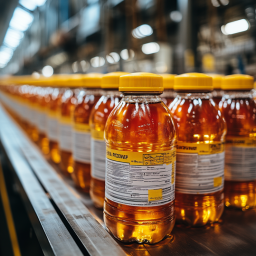
Lagunitas, Bell’s Brewery, and HOP WTR face lawsuits over alleged PFAS contamination, while new California Proposition 65 notices target other brewery-related beverages.
Two major beer brands are facing lawsuits alleging that their products contain PFAS, commonly known as “forever chemicals.” On November 2, 2026, a consumer filed a proposed class action against Lagunitas Brewing Company in California. Days later, New Belgium Brewing Company, which operates Bell’s Brewery, faced a similar lawsuit in Colorado involving its popular Two Hearted IPA.
Neither lawsuit claims that consumers became ill from drinking the beer. Instead, the plaintiffs allege that the breweries sold products containing undisclosed chemicals and that consumers would have reconsidered their purchases had they known about the alleged contamination.
The cases arrive alongside several California Proposition 65 enforcement notices involving breweries and related beverages. Together, these developments are drawing attention to a part of brewing operations that has received comparatively little attention in product liability litigation: the chemicals that may enter a brewery through its water supply and other production materials.
Lagunitas and Bell’s Brewery Face PFAS Class Actions
The Lagunitas lawsuit, filed in the U.S. District Court for the Northern District of California, alleges that independent testing detected PFOA and PFNA in Lagunitas IPA. According to the complaint, the reported concentrations exceeded federal limits established by the Environmental Protection Agency (EPA) for drinking water.
The plaintiff alleges that Lagunitas failed to disclose the chemicals despite their association with adverse health effects. The lawsuit relies on California consumer protection and warranty laws, arguing that the alleged contamination made the product less valuable than consumers reasonably expected.
Bell’s Brewery faces similar allegations in a November 2026 class action filed in Colorado. The complaint alleges that testing of Bell’s Two Hearted IPA detected PFOA and PFNA at concentrations above EPA drinking water standards. It seeks relief under consumer protection laws and related legal theories.
Both cases raise an important question about the evidence supporting the claims. EPA drinking water limits are legally enforceable standards for covered public water systems, not concentration limits specifically established for beer. Exceeding those limits in a finished beverage does not automatically establish that the brewery violated federal drinking water law or misled consumers.
The plaintiffs will need to establish that their testing is reliable and that the alleged undisclosed contamination supports their consumer protection claims. Similar concerns involving PFAS in Consumer Products have prompted debate over how manufacturers should address these chemicals. In the brewery lawsuits, courts may examine whether the presence of PFAS makes the beer materially different from what consumers reasonably expected to purchase.
California Proposition 65 Claims Reach Hop-Based Drinks and Other Brewery Products
A separate lawsuit against HOP WTR Inc. illustrates how chemical exposure allegations can reach beverage manufacturers through a different legal route.
On June 17, 2026, Environmental Research Center, Inc. filed a Proposition 65 lawsuit against HOP WTR in Alameda County Superior Court. The complaint followed an April notice alleging exposure to PFOA in four varieties of its nonalcoholic sparkling hop water, along with lead in its mango-flavored product.
Unlike the Lagunitas and Bell’s class actions, the HOP WTR case alleges a failure to provide warnings required under California Proposition 65. The law generally requires businesses to warn California consumers before exposing them to listed chemicals at levels that trigger its warning requirements, unless an exemption applies.
A detectable amount of a chemical does not automatically establish a Proposition 65 violation. The law focuses on exposure, and determining whether a warning is required may involve the chemical’s concentration, expected consumption, and the applicable risk standards.
Other recent notices show how varied brewery-related enforcement has become.
In October 2026, The Bruery and Fort Point Beer Company received Proposition 65 notices involving ethyl alcohol in beer, with Fort Point’s notice also identifying cider. These concern alcohol exposure rather than allegations of unintended chemical contamination.
That same month, Surly Brewing Company and Jester King Craft Brewery appeared in notices involving delta-9-THC in beverage products. An earlier May notice named Octopi Brewing in connection with a THC soda.
These notices do not establish that the companies violated Proposition 65, and the THC allegations concern a different type of exposure from PFAS. However, they show how manufacturers associated with traditional brewing can face warning claims across different beverage categories. The applicable warning obligations may vary depending on the product and chemical involved.
How Contaminated Water Could Expose Breweries to New Lawsuits
Water is central to beer production, and a 2025 scientific study suggests it may also be a source of PFAS contamination.
Published in Environmental Science & Technology, the study, “Hold My Beer: The Linkage between Municipal Water and Brewing Location on PFAS in Popular Beverages,” examined PFAS in beers from different locations and water sources.
Researchers detected PFAS in many of the beers tested and found a relationship between contamination in municipal water and beer produced in the same geographic areas. The study estimated that approximately 18% of U.S. breweries operate in ZIP codes where PFAS has been detected in public drinking water.
This creates a difficult situation for breweries that rely on municipal water suppliers. A manufacturer could potentially face a consumer lawsuit over contamination originating from water that its supplier has not yet been required to treat.
Under EPA’s May 2026 proposal, eligible public water systems could request additional time, until 2031, to meet federal PFOA and PFOS drinking water limits. The extension remains a proposal rather than a blanket postponement of the requirements.
The potential disconnect matters because a water supplier’s regulatory obligations and a brewery’s consumer-facing responsibilities are separate. Compliance by the water utility does not necessarily resolve allegations about the composition or marketing of the finished beer.
Water is also only one possible source of contamination. Raw agricultural ingredients, processing materials, and packaging may require investigation when testing identifies unexpected substances.
For smaller breweries, this presents a particular challenge. Quality controls generally focus on flavor, consistency, sanitation, and production safety. Investigating trace chemical contamination may require testing methods and supplier information that were not previously part of routine operations.
Strategic By Design: The Juris Law Group, P.C. Perspective
The recent brewery cases demonstrate how manufacturing decisions can create overlapping exposure under consumer protection laws and California Proposition 65. At Juris Law Group, P.C., our beverage industry attorneys address issues involving product labeling, manufacturing relationships, advertising representations, and chemical exposure allegations. The distinction between what enters a product and what the manufacturer tells consumers about that product is particularly relevant when contaminants are detected through independent testing.
For breweries, the response may depend on where the alleged contamination originated and what the business knew about it. Water treatment records, ingredient specifications, testing procedures, and supplier agreements may become important evidence. Manufacturing and supply contracts also determine whether a brewery can obtain the records necessary to investigate an allegation and whether another party bears responsibility for certain resulting costs.
The next 12 months could clarify how courts evaluate PFAS testing performed on finished beer, particularly when plaintiffs rely on drinking water standards that were developed for a different product category. The Lagunitas and Bell’s cases may also test whether consumers can pursue economic-loss claims without alleging a personal injury or an express promise that the beverage contains no PFAS.
For the brewing industry, the broader concern extends beyond these two lawsuits. As laboratory methods become more sensitive, manufacturers may encounter allegations involving chemicals previously outside their routine testing programs. The resulting disputes could place greater attention on water sourcing, incoming materials, supplier responsibilities, and the evidence needed to defend the safety and labeling of finished beverages.
Common Legal Inquiries
Can breweries be sued for PFAS contamination in beer?
Yes. Breweries may face consumer class actions alleging that undisclosed PFAS contamination made their products misleading or less valuable than consumers expected. The Lagunitas and Bell’s lawsuits involve these theories. However, plaintiffs must establish the necessary legal elements, and the presence of detectable PFAS does not automatically prove wrongdoing.
Does California Proposition 65 apply to breweries?
Yes. Breweries may face Proposition 65 warning obligations when their products expose California consumers to listed chemicals above applicable thresholds. Recent notices involving breweries have addressed ethyl alcohol and THC, while HOP WTR faces a lawsuit alleging PFOA and lead exposure. The requirements depend on the chemical, product, exposure level, and available exemptions.
Are EPA PFAS drinking water limits legally binding for beer?
No. Federal drinking water limits apply to regulated public water systems, not directly to finished beer. Plaintiffs may nevertheless cite those limits as evidence in consumer protection lawsuits. Courts must independently assess whether the alleged contamination and product representations support a legal claim under the applicable law.