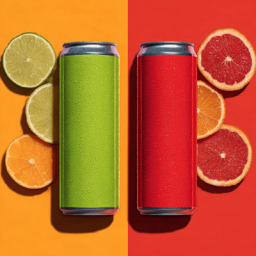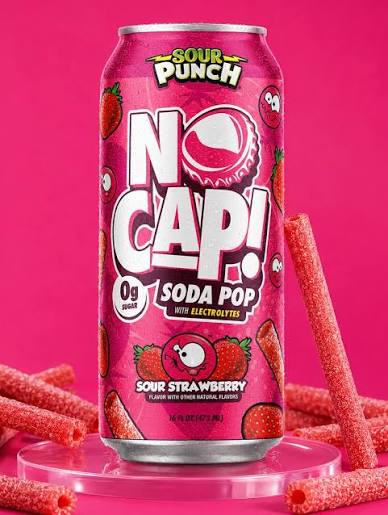
NO CAP! Soda Pop announced a licensing partnership with SOUR PUNCH®, the sour candy brand owned by American Licorice Company, to develop a new collection of SOUR PUNCH-inspired better-for-you sodas. The agreement gives NO CAP! access to an established confectionery brand as it expands its strategy of bringing recognizable flavors into the beverage aisle.
The transaction reflects a broader use of CPG brand licensing as a category-expansion strategy. SOUR PUNCH can enter the carbonated beverage category without American Licorice Company building a separate soda operation, while NO CAP! gains access to decades of consumer recognition rather than introducing an unfamiliar flavor concept from scratch. That efficiency depends on a licensing agreement capable of protecting the underlying trademark, controlling the licensed product, and allocating the risks created when one company’s brand appears on another company’s goods.
SOUR PUNCH Brand Licensing Extends Established Candy IP Into Beverages
American Licorice Company introduced SOUR PUNCH candy in 1990, giving the brand more than three decades of history before the NO CAP! collaboration. The July agreement moves that established brand identity from confectionery into a different commercial category: better-for-you carbonated beverages. NO CAP! described the partnership as part of its strategy of translating recognized confectionery brands into modern soda products.
This approach can shorten the consumer-recognition process associated with launching a new product. NO CAP! can market a beverage around a flavor identity consumers already associate with SOUR PUNCH, while American Licorice Company can monetize its intellectual property beyond candy. Industry coverage also places the agreement within a wider candy-licensing trend in beverages, where recognizable confectionery brands are being adapted for adjacent drink categories.
The structure, however, creates a basic trademark issue: American Licorice Company is allowing another company to commercialize products associated with SOUR PUNCH goodwill. A well-structured trademark licensing agreement therefore does more than authorize logo use. It establishes the boundaries within which the licensee can use the brand while allowing the trademark owner to maintain appropriate control over the reputation attached to it.
Trademark Quality Control Should Follow the Brand Into the Soda Aisle
For American Licorice Company, the central licensing issue is control. A trademark owner generally needs meaningful quality control when another business sells products under its mark. In practice, that can translate into contractual approval rights over product specifications, packaging, advertising, promotional materials, distribution practices, and modifications to the licensed products.
The financial and operational terms of the SOUR PUNCH agreement have not been publicly released, so the parties’ actual approval provisions cannot be assessed. As of September 1, 2026, trade coverage reported that specific SKUs, package formats, pricing, and launch timing had not been publicly disclosed. The absence of public detail makes the underlying lesson more relevant: brand licensing requires considerably more precision than permission to place a recognizable trademark on a new product.
Quality-control provisions protect more than trademark doctrine. A beverage that disappoints consumers, creates an ingredient issue, or is marketed inconsistently with SOUR PUNCH’s established identity can affect American Licorice Company’s brand even though it does not manufacture the soda. The license therefore should allocate responsibilities for product standards, approvals, insurance, recalls, indemnification, advertising review, and circumstances permitting suspension or termination of licensed use.
This becomes particularly important as a licensing program grows. NO CAP! previously partnered with ICEE and now describes the SOUR PUNCH transaction as another addition to its portfolio of licensed confectionery partnerships. Repeated licensing can become an effective product-development model, but each additional brand introduces its own trademark standards, contractual restrictions, approval process, and reputational exposure.
CPG Category Expansion Requires Trademark Portfolio Planning
The less visible legal issue in the SOUR PUNCH transaction is trademark portfolio management. A brand may have strong protection in the category where it built its reputation without having the same registration coverage for every category into which a licensee may later take it. Licensing therefore should be coordinated with the trademark portfolio rather than treated as a separate commercial exercise.
When a candy brand expands into soda, counsel should assess whether existing registrations and pending applications adequately support the new commercial use. The analysis may extend beyond the principal word mark to logos, product-line names, packaging elements, slogans, and new co-branded identifiers created for the collaboration. Filing strategy also needs to account for future expansion rather than addressing the first licensed SKU in isolation.
That is the legal gap often missed in coverage of consumer-brand collaborations. The agreement may authorize expansion faster than the trademark portfolio has been designed to protect it. Before launch, a brand owner should evaluate clearance and registration strategy in the new category, third-party marks that could complicate expansion, ownership of newly created IP, and which party controls enforcement against infringers.
Co-branding adds another layer. The eventual packaging may emphasize NO CAP!, SOUR PUNCH, or a combination of both. The agreement should establish how those marks can appear together and who owns any new names, designs, or other intellectual property created specifically for the licensed beverage line. Without clear ownership provisions, a successful collaboration can produce questions over rights precisely when the new product begins developing independent goodwill.
strategic by design: the juris law group, p.C. PERSPECTIVE
Our IP licensing attorneys frequently assess licensing transactions as part of a broader brand strategy rather than as isolated contracts. For consumer-product companies, the commercial value of a license often depends on whether trademark protection, product standards, advertising responsibilities, manufacturing risk, and termination rights have been addressed before the licensed product reaches consumers.
Juris Law Group’s approach reflects its registered principle, “Bigger is not better, better is better®.” A licensing program does not necessarily become stronger by adding more categories or more licensees. A focused agreement with clear rights, meaningful brand controls, appropriate portfolio protection, and defined responsibility for product-related exposure can preserve more long-term value than rapid expansion without the same contractual discipline.
For licensors, that means determining exactly what intellectual property is being licensed, for which products, in which territories, through which channels, and for how long. For licensees, it means securing enough operational freedom to develop and sell the product while understanding approval obligations and restrictions. Royalty provisions receive substantial attention in negotiations, but the provisions governing what happens to the brand during the relationship often have longer consequences.
CPG Licensing Agreements Will Face More Pressure as Brands Cross Categories
Over the next 12 months, the SOUR PUNCH collaboration will provide a practical test of whether NO CAP! can continue using licensed consumer recognition as a scalable beverage strategy. The company has not publicly disclosed the final SOUR PUNCH SKUs, package formats, or pricing, although public posts associated with the announcement have indicated a September 2026 rollout. As the products reach consumers, packaging, positioning, flavor execution, and retail placement will show how the two brands balance their identities in the marketplace.
The broader CPG category is likely to produce more licensing arrangements that move established food, candy, restaurant, and entertainment brands into adjacent consumer products. License agreements supporting those extensions will need to keep pace with increasingly complex brand architecture. Trademark coverage, quality control, ownership of collaboration-specific IP, advertising responsibility, and exit rights should be addressed before consumer demand turns an experimental collaboration into a valuable product line.
Common Legal Inquiries
What should a CPG trademark licensing agreement include?
A CPG licensing agreement should clearly define the licensed trademarks, permitted products, territory, channels, term, royalties, exclusivity, approval rights, quality standards, advertising restrictions, insurance, indemnification, enforcement responsibilities, and termination rights. Product-specific provisions may also address manufacturing standards, recalls, labeling, and responsibility for consumer claims.
Does a brand need new trademark protection when licensing into another product category?
Potentially. Existing trademark rights do not automatically provide identical registration coverage across every product category. Before a licensed expansion, the trademark owner should review its portfolio, assess clearance in the new category, and determine whether additional applications are appropriate for the new goods, packaging, or collaboration-specific marks.
Who is responsible if a licensed food or beverage product creates a legal problem?
Responsibility depends on the agreement and the underlying claim. The manufacturer or licensee may control formulation and production, while the licensor may retain brand and marketing approvals. Well-drafted agreements allocate responsibility through representations, warranties, indemnification, insurance requirements, recall procedures, and clearly defined approval rights.