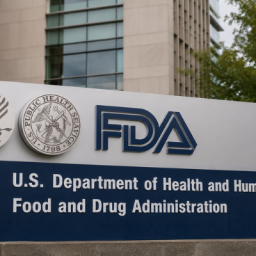
For years, sunscreen manufacturers selling products in Europe and Asia have had access to ultraviolet filters unavailable in the United States. That gap narrowed on June 9, 2026, when the U.S. Food and Drug Administration issued a final administrative order allowing the use of bemotrizinol as an active ingredient in over-the-counter sunscreen products. The ingredient, commonly used in foreign markets and known for its broad-spectrum UVA and UVB protection, becomes the first new sunscreen active ingredient added to the U.S. OTC sunscreen framework in decades.
The FDA’s decision arrives at a time when consumer demand for lighter-feeling, cosmetically elegant sunscreen formulations continues to increase. It also arrives amid growing scrutiny of sunscreen efficacy claims, ingredient safety, and comparative marketing practices. While the announcement expands formulation options for sunscreen brands, it also creates new labeling, advertising, and portfolio management questions as companies begin introducing products featuring an ingredient that many consumers have never seen on a U.S. label.
FDA’s Bemotrizinol Order Reshapes Sunscreen Product Development Strategies
The FDA’s final order permits bemotrizinol, formally known as bis-ethylhexyloxyphenol methoxyphenyl triazine, for use in certain OTC sunscreen products at concentrations up to 6 percent. The agency concluded that the ingredient is generally recognized as safe and effective for adults and children six months of age and older when used under the conditions specified in the order.
The practical impact extends beyond the addition of a single ingredient. Bemotrizinol has long been marketed in major foreign jurisdictions, including the European Union, Australia, Canada, and parts of Asia. Many multinational sunscreen companies have maintained separate formulation portfolios to accommodate differing regulatory standards between the United States and foreign markets. FDA’s action creates an opportunity for greater product alignment across jurisdictions while reducing formulation barriers that have existed for years.
The agency also highlighted bemotrizinol’s broad-spectrum protection profile and photostability. Those characteristics have made the ingredient attractive to formulators seeking stronger UVA coverage and improved stability in finished sunscreen products. As manufacturers begin evaluating reformulations and new product launches, intellectual property considerations surrounding formulation technology, ingredient combinations, and product differentiation are likely to become increasingly important.
Advertising Liability and Product Representation Risk Following Bemotrizinol’s Introduction
The introduction of a new sunscreen active ingredient frequently triggers aggressive marketing campaigns. That creates a familiar legal challenge: ensuring that consumer-facing claims remain consistent with the evidence supporting the product.
Brands incorporating bemotrizinol may be tempted to emphasize that the ingredient has been available in Europe and Asia for years while remaining unavailable in the United States. Statements describing a product as containing a “European sunscreen ingredient” or offering “advanced foreign sunscreen technology” may resonate with consumers, but those representations also invite scrutiny under federal and state advertising laws if they imply superiority that cannot be substantiated.
The FTC’s advertising substantiation standards remain applicable regardless of the novelty of the ingredient. Comparative performance claims, enhanced protection claims, and assertions regarding improved safety or efficacy require competent and reliable scientific evidence. FDA’s decision permits the ingredient’s use under specified conditions; it does not automatically support broad marketing claims regarding superiority over competing sunscreen products.
This distinction may become particularly relevant as manufacturers seek to position bemotrizinol-containing products against mineral sunscreens or existing chemical sunscreen formulations. Product representation risk often arises when scientific conclusions about an ingredient are translated into consumer advertising that exceeds the underlying evidence.
The Legal Gap: Consumer Perception Claims May Outpace FDA Authorization
An overlooked issue following the FDA’s action involves the gap between regulatory authorization and consumer perception.
FDA’s order addresses whether bemotrizinol may be used as an active ingredient under defined conditions. It does not determine how consumers interpret claims relating to ingredient innovation, foreign market acceptance, or product quality. That distinction has become increasingly important in food, beverage, cosmetic, and personal care litigation.
Plaintiffs challenging advertising practices frequently focus on implied messages rather than express statements. A sunscreen brand may accurately state that bemotrizinol has been used in Europe for many years. Litigation exposure can arise if consumers reasonably interpret accompanying marketing materials as suggesting that competing products are outdated, less effective, or inherently inferior without adequate substantiation.
The issue extends beyond consumer class actions. Competitors may evaluate whether comparative advertising campaigns create potential Lanham Act exposure. As bemotrizinol-based products enter the U.S. market, the line between ingredient-focused education and comparative superiority messaging is likely to receive increased attention from both plaintiffs’ counsel and industry competitors.
The FDA’s decision therefore creates a new category of advertising review that many sunscreen manufacturers have not previously encountered. Product development teams may focus on formulation opportunities while legal departments assess whether marketing narratives accurately reflect the limits of the agency’s findings.
The Juris Law Group Perspective on Labeling and Advertising Liability
The legal analysis surrounding bemotrizinol extends beyond the FDA’s order. Our attorneys have handled matters where the central issue was not the underlying science, but how that science was communicated to consumers.
A recurring issue involves the tendency to convert technical regulatory findings into broader marketing narratives that extend beyond the underlying evidence. FDA’s determination that bemotrizinol may be used under specified conditions does not eliminate the need for careful claim substantiation, competitor claim review, and portfolio-wide marketing consistency.
Companies launching new sunscreen lines built around bemotrizinol may seek distinctive product names, technology branding, and ingredient-focused marketing campaigns. Our trademark protection lawyers frequently encounter situations where scientific innovation and brand positioning develop simultaneously, requiring coordinated legal review across multiple disciplines.
What the Next 12 Months May Look Like for Sunscreen Brands
The immediate effect of FDA’s action will likely be a wave of product reformulation efforts and new product launches. DSM Nutritional Products received exclusivity associated with the administrative order, which may influence the timing of market adoption and licensing strategies. Manufacturers already selling bemotrizinol-based products abroad will be positioned to evaluate whether portions of those portfolios can be adapted for U.S. distribution.
Attention will likely shift from ingredient authorization to claim development. Companies introducing products containing bemotrizinol will compete for consumer attention in a crowded sunscreen category where efficacy, cosmetic feel, safety perceptions, and ingredient transparency all influence purchasing decisions. Advertising review, substantiation analysis, and competitive monitoring may become as important as formulation development itself.
Longer term, the FDA’s decision may renew pressure for broader modernization of the U.S. sunscreen framework. Industry participants have argued for years that American consumers have fewer sunscreen ingredient options than consumers in many foreign jurisdictions. Bemotrizinol’s addition may encourage further efforts to bring other internationally used UV filters into the U.S. regulatory system.
The legal consequences of that trend extend beyond sunscreen products. Each new ingredient authorization creates opportunities for innovation, product differentiation, and market expansion. It also creates fresh questions regarding labeling exposure, comparative advertising, intellectual property strategy, and consumer perception. Those questions are likely to shape the sunscreen category long after the initial attention surrounding bemotrizinol subsides.
Common Legal Inquiries
Does FDA authorization allow sunscreen brands to claim that bemotrizinol products are better than competing sunscreens?
No. FDA’s order permits the ingredient’s use under specified conditions. Comparative superiority claims remain subject to FTC substantiation standards and other advertising laws. Any claim that a product performs better than competing products must be supported by appropriate evidence.
Can competitors challenge marketing claims relating to bemotrizinol?
Yes. Competitors may bring challenges under the Lanham Act if they believe advertising claims are false, misleading, or unsupported. Comparative efficacy claims, safety claims, and implied superiority messages often receive particular scrutiny.
Does FDA’s decision allow foreign sunscreen products containing bemotrizinol to be sold automatically in the United States?
No. Foreign products must still satisfy applicable U.S. requirements, including monograph conditions, labeling requirements, testing standards, and other regulatory obligations. FDA’s order authorizes the ingredient under specified conditions but does not automatically authorize existing foreign products for U.S. sale.