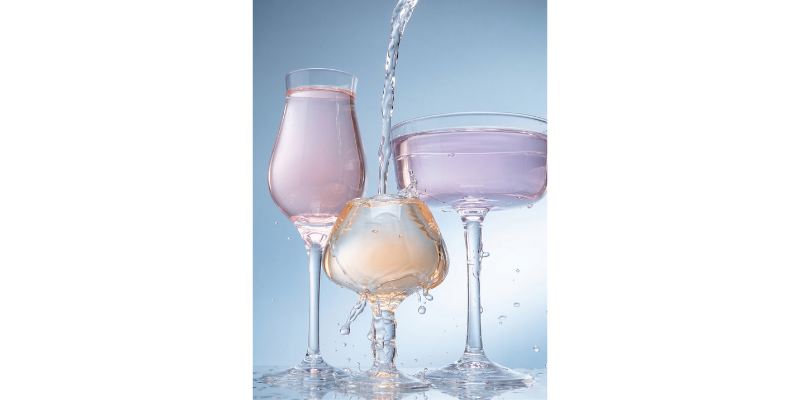
The functional beverage market has seen a significant shift as Kylie Jenner’s vodka soda brand, Sprinter, formally moves to capture the wellness and ingestible beauty sectors. This week, the brand announced the launch of k2o by Sprinter, a line of advanced skin hydration drink sticks. The move signals a transition from social-focused spirits toward “beauty-from-within” products, leveraging the founder’s established authority in the cosmetics industry to disrupt the hydration category.
sprinter and the Expansion into Ingestible Beauty
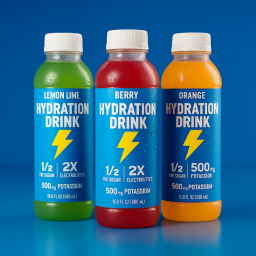
The introduction of k2o by Sprinter marks a deliberate expansion of the brand’s intellectual property into the non-alcoholic, functional beverage space. While the original RTD (ready-to-drink) vodka soda was positioned for late-night social occasions, the new hydration line targets recovery and daily wellness. This dual-market presence allows the entity to maintain a lifestyle footprint that spans the entire consumer day, from evening entertainment to morning rejuvenation.
By utilizing high-performance ingredients such as Verisol® Bioactive Collagen peptides, hyaluronic acid, and electrolytes, the brand distinguishes itself from traditional sports drinks. The expansion is being led by newly appointed CEO Jay Hunter, who will oversee the integration of these beauty-led hydration products into a portfolio previously defined by premium spirits. This shift is a calculated response to a modern consumer base that increasingly demands multi-functional benefits from their beverages.
“Beauty has always been at the center of everything I do and creating k2o by Sprinter feels like the natural next step.”
– Kylie Jenner.
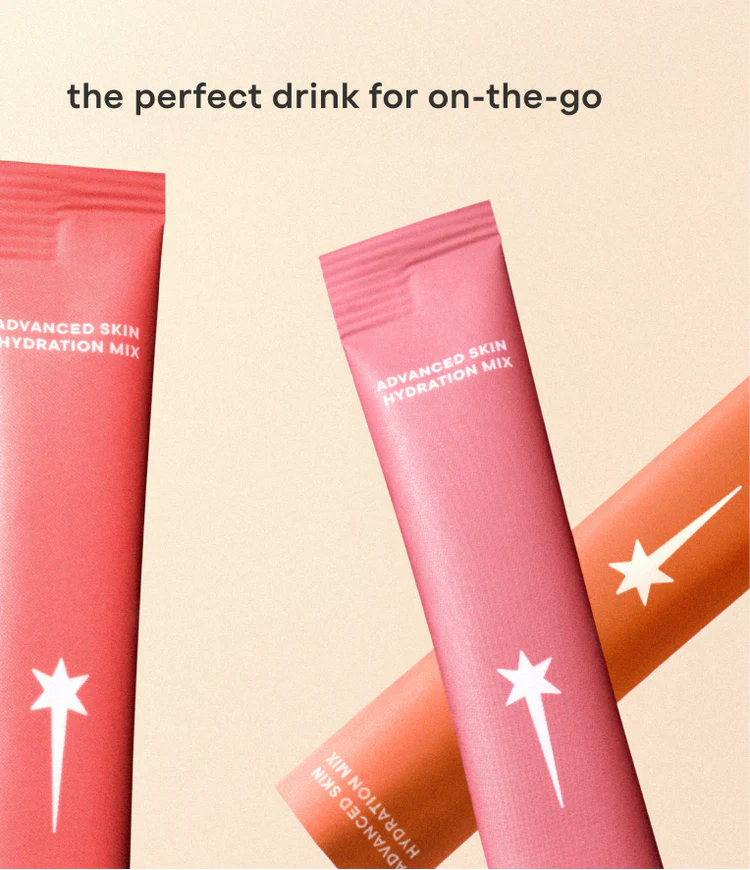
Source: drinksprinter.com
Enforcement and Protection for Sprinter and the Expansion into Class 032
From a legal standpoint, the transition into hydration products necessitates a rigorous strategy for trademark prosecution and enforcement. Moving into International Class 032 (non-alcoholic beverages) requires the brand to navigate a landscape already saturated by established players in the electrolyte and supplement sectors. The entity has reportedly filed for several new trademarks to cover dietary supplements, energy powders, and nutritional shakes, securing its position against potential infringement.
High-growth brands must be vigilant during such transitions to prevent brand dilution. In the hydration space, where phonetic similarities are common, a proactive enforcement posture is required to protect the “Sprinter” and “k2o” marks. Strategic prosecution ensures that the brand’s visual identity—now associated with both a 100-calorie vodka soda and a skin-supporting supplement—remains distinct and enforceable in a crowded retail environment.
Future Outlook: The Convergence of Spirits and Wellness
The next 12 months will likely see a wave of similar expansions as other alcohol brands attempt to recapture market share in the wellness economy. We anticipate that the USPTO will face an influx of filings that attempt to blur the lines between social beverages and functional supplements. Brands that can successfully demonstrate “commercial impression” across these varied product lines will be best positioned to dominate the shelf.
Furthermore, we expect an increase in litigation regarding health and beauty claims within the beverage sector. As brands like Sprinter integrate cosmeceutical ingredients into liquid formats, they must ensure that their marketing remains compliant with substantiation requirements.
The successful brands of the future will be those that marry aggressive IP protection with a conservative approach to functional health claims.
Trademark Strategy for CPG Brand Expansion: Insights From Juris Law Group
Managing the expansion of a high-growth brand from spirits into functional wellness requires a proactive strategy to prevent trademark dilution. Our IP attorneys often find that brands underestimate the filing lag, which creates a window of vulnerability for third-party infringement. We prioritize securing intent-to-use applications early to establish a defensive perimeter before the public launch of new product categories.
Success in these transitions depends on aligning federal prosecution with the specific demands of the market. Our team integrates licensing counsel to navigate the shift from alcohol distribution networks to direct-to-consumer and retail hydration channels. This cohesive approach ensures that a brand’s intellectual property remains enforceable as it scales into the competitive non-alcoholic beverage sector.
Common Legal Inquiries
What are the primary trademark risks when an alcohol brand expands into non-alcoholic hydration?
The primary risk is a “Likelihood of Confusion” refusal under Section 2(d) of the Lanham Act. If a brand in the non-alcoholic space already uses a similar name, the USPTO may determine the products are too related, as they are often sold in the same retail channels.
How does California’s Unfair Competition Law impact new hydration products?
California Business and Professions Code § 17200 prohibits deceptive or unfair marketing. For hydration brands claiming skin health or recovery benefits, any unsubstantiated claim can trigger significant litigation risk from both competitors and consumer class action groups.
Why is an Intent-to-Use (ITU) filing critical for brand expansion?
An ITU application allows a brand to reserve a mark before the product is physically on the market. This creates a “priority date” that protects the brand from competitors or “trademark squatters” who might try to register similar names once the expansion news breaks.