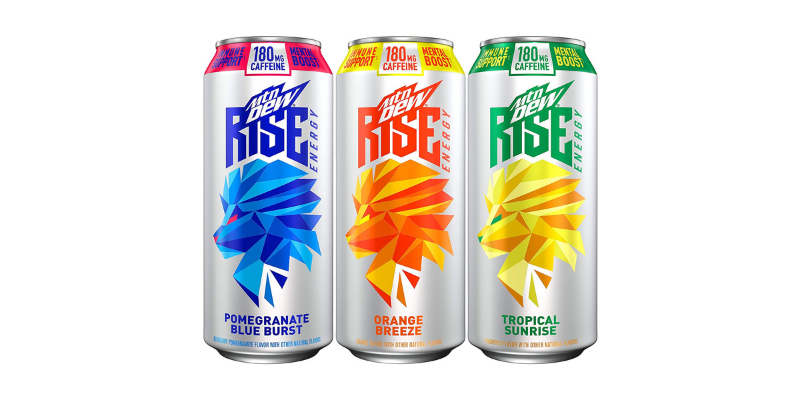
When PepsiCo launched MTN DEW RISE ENERGY in 2021, the dispute that followed appeared to be another trademark infringement case involving competing beverage brands. Five years later, the litigation has reached a different stage. On June 29, 2026, the U.S. Supreme Court agreed to hear the case, but it will not decide whether Pepsi infringed Rise Brewing’s trademarks. Instead, the Court will address a procedural question that could reshape how trademark lawsuits are litigated across the country.
The case asks whether one component of the likelihood-of-confusion analysis—the strength of a trademark—should be decided by a judge or reserved for a jury. That distinction influences whether trademark disputes can be resolved through summary judgment or proceed to trial. For brand owners, the Court’s answer may prove more consequential than the outcome between Pepsi and Rise Brewing itself.
The MTN DEW RISE Trademark Dispute Reaches the Supreme Court
Rise Brewing entered the market in the mid-2010s with canned nitro cold brew coffee sold under the RISE BREWING CO. brand. The company secured federal trademark registrations and built its identity around the “Rise” name. In March 2021, Pepsi introduced MTN DEW RISE ENERGY, a fruit-flavored energy drink positioned as a morning beverage.
Rise Brewing filed suit in the Southern District of New York in August 2021, alleging trademark infringement, false designation of origin, and unfair competition under the Lanham Act. The complaint also alleged that Pepsi had previously discussed a potential business relationship with Rise before launching its product, a fact Rise cited as evidence that Pepsi was aware of its trademarks.
The litigation initially favored Rise. In November 2021, the district court issued a preliminary injunction preventing Pepsi from using the MTN DEW RISE name, concluding that Rise had demonstrated a sufficient likelihood of confusion at that stage of the case. The court also observed that continued use of the name could threaten Rise’s business while the litigation remained pending.
That result changed in July 2022, when the Second Circuit vacated the injunction. The appellate court concluded that several likelihood-of-confusion factors favored Pepsi, including its assessment that the “Rise” mark possessed limited conceptual strength. Following that decision, the district court granted summary judgment for Pepsi in 2023, and the Second Circuit affirmed the ruling in December 2024.
Rise petitioned the Supreme Court in 2025. On June 29, 2026, the Court agreed to review the case.
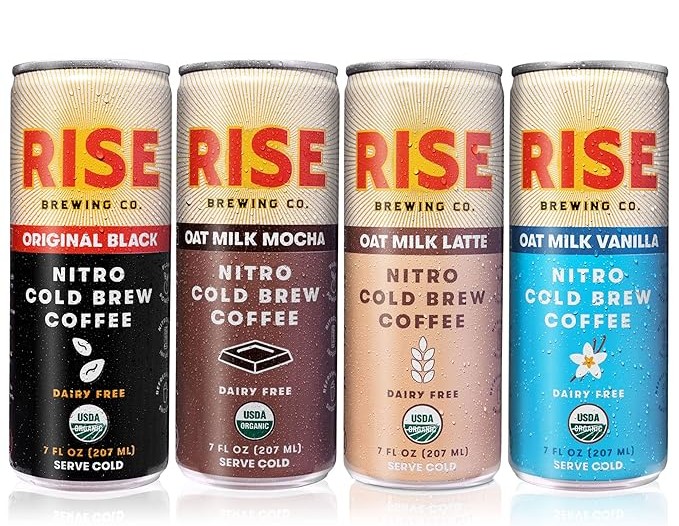
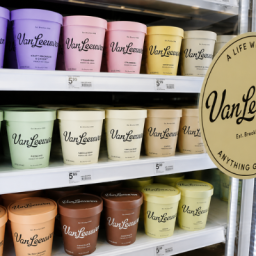
Rise Drinks / RISE BREWING CO
Trademark Strength May Determine Who Decides Future Infringement Cases
Every trademark infringement action under the Lanham Act requires courts to evaluate whether consumers are likely to confuse one brand with another. Federal courts use multi-factor tests that vary slightly by circuit, but each includes consideration of the plaintiff’s trademark strength.
Trademark strength generally consists of two separate inquiries. Conceptual strength evaluates how inherently distinctive a mark is, while commercial strength examines how well known the mark has become in the marketplace through advertising, sales, and consumer recognition.
The Supreme Court is not reviewing how those concepts should be measured. Instead, it will decide whether conceptual strength is a factual issue that belongs to a jury or whether judges may resolve it as a matter of law when deciding summary judgment motions.
That procedural distinction has practical consequences. If conceptual strength is treated as a legal question, judges may remove cases from juries earlier in the litigation process. If it is considered a factual issue, plaintiffs may have greater opportunities to present evidence of consumer perception before a jury.
The legal debate extends beyond beverage trademarks. Consumer perception frequently influences trademark disputes involving food, cosmetics, apparel, technology, and virtually every consumer product category.
The Overlooked Legal Issue Is Civil Procedure, Not Beverage Branding
Much of the public coverage has focused on whether “Rise” is a protectable trademark and whether consumers would confuse MTN DEW RISE ENERGY with Rise Brewing. Those questions remain important, but they are not the issue now before the Supreme Court.
The Court instead will address how courts should allocate responsibility between judges and juries during trademark litigation. That procedural framework affects when cases end, how parties evaluate settlement, and how much evidence must be developed before trial.
Pepsi has argued that “Rise” is a relatively weak trademark because it suggests waking up or beginning the day, particularly for coffee products. It also points to numerous third-party uses of “Rise” and statements Rise itself made during USPTO prosecution describing the term as commonly used. Rise argues that those issues depend heavily on consumer perception and should therefore be evaluated by juries rather than decided by judges on summary judgment.
That distinction represents the legal gap receiving comparatively little attention. Many reports describe the dispute as another fight over competing beverage brands. The Supreme Court’s decision is more likely to establish rules governing how trademark cases proceed through the courts than to redefine trademark infringement itself.
strategic by design: the juris law group perspective
Trademark litigation often turns on procedural issues that receive less attention than the brands appearing in the case caption. Questions involving evidentiary standards, burdens of proof, and the division of authority between judges and juries frequently determine whether a dispute reaches trial at all. Our brand protection lawyers regularly evaluate these procedural considerations alongside the traditional likelihood-of-confusion factors when advising clients on enforcement strategy and litigation risk.
This case also illustrates why trademark portfolio management begins long before litigation. Statements made during trademark prosecution, marketplace evidence regarding third-party use, advertising history, and consumer recognition can all become part of the record years later. Positions that help secure a registration may also influence future infringement disputes, particularly when courts evaluate whether a mark is conceptually strong or commercially distinctive.
The Supreme Court’s Decision Could Influence Trademark Litigation Nationwide
Oral argument is expected during the Supreme Court’s upcoming Term, with a decision likely by mid-2027. Although the Court is reviewing a narrow procedural issue, the ruling could affect how frequently trademark cases are resolved before trial. Businesses involved in enforcement actions, particularly those relying on marks that incorporate descriptive or suggestive terms, will closely watch how the Court defines the respective roles of judges and juries.
The decision may also influence litigation strategy well beyond the beverage industry. If the Court determines that trademark strength is primarily a factual question, parties may devote greater resources to consumer surveys, expert testimony, and marketplace evidence earlier in litigation. If the Court affirms broader judicial authority to resolve conceptual strength as a matter of law, summary judgment could remain a more common endpoint for trademark disputes involving relatively weak or widely used terms.
Common Legal Inquiries
Why is the Supreme Court hearing the MTN DEW RISE trademark case?
The Supreme Court is reviewing a procedural issue rather than deciding whether trademark infringement occurred. The Court will determine whether the strength of a trademark is a factual question for juries or a legal issue that judges may resolve before trial, an issue that affects trademark litigation across federal courts.
What is trademark strength under the Lanham Act?
Trademark strength generally includes conceptual strength, which measures a mark’s inherent distinctiveness, and commercial strength, which reflects marketplace recognition. Both factors contribute to the likelihood-of-confusion analysis used to determine whether consumers are likely to believe two products originate from the same source.
How could this Supreme Court decision affect trademark enforcement?
The ruling may change how frequently trademark cases proceed to jury trials. It could influence summary judgment practice, litigation costs, settlement negotiations, and the evidence parties develop to establish consumer perception. Those effects would extend well beyond the beverage industry to trademark disputes involving many consumer products.