Mondelēz International, the company behind Toblerone, has filed a trademark lawsuit against British vegan chocolate maker Catherine’s Originals, alleging that its O’bar copies the distinctive shape of the Swiss chocolate bar.
The lawsuit, filed on October 15, 2026, in the High Court of England and Wales by Mondelēz subsidiary Kraft Foods Schweiz Holding GmbH, alleges trademark infringement and passing off, a legal claim involving misleading representations about a product’s commercial origin. Catherine’s Originals denies the allegations and maintains that its chocolate bar has an independent design.
The dispute could test how much protection a recognizable product shape receives when a competitor uses different branding and a visibly different design. Its outcome may be relevant to food manufacturers and other consumer product companies that rely on the appearance of their products to distinguish themselves from competitors.
Mondelēz Claims O’bar Copies Toblerone’s Distinctive Shape
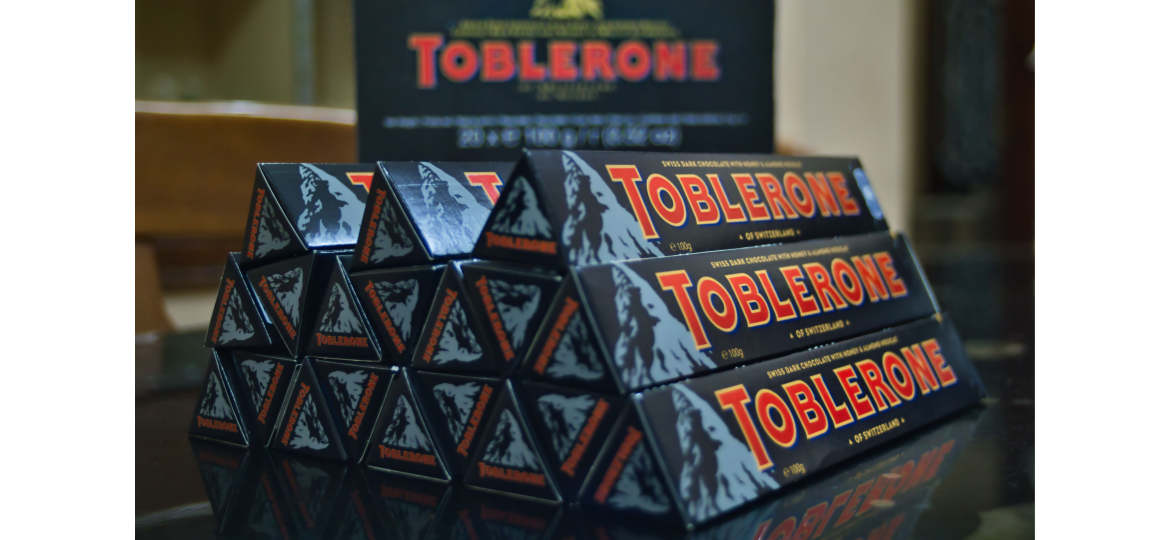
Toblerone has used its recognizable triangular chocolate segments for generations. According to Mondelēz, the shape has been associated with the brand since 1929 and remains one of its most identifiable features.
Catherine’s Originals, founded in 2021 by Catherine Dodd, sells premium vegan chocolate bars with rounded, semi-oval segments. Its 200-gram O’bar typically costs between £9.20 and £10.55, considerably more than a conventional Toblerone bar.
Mondelēz alleges that the O’bar’s appearance is sufficiently similar to Toblerone’s protected shape to infringe its trademark rights. The company also claims that consumers could mistakenly believe the products are commercially connected. It reportedly attempted to resolve the dispute directly with Catherine’s Originals over several months before filing suit.
Dodd disputes that interpretation. She maintains that the rounded segments represent the letter O in Originals and that the product has its own visual identity. Catherine’s Originals has indicated that it intends to defend the lawsuit.
This is not Mondelēz’s first dispute over Toblerone’s appearance. In 2017, the company challenged Poundland’s Twin Peaks chocolate bar, which featured a series of raised chocolate peaks. The dispute ended in a settlement, and Poundland subsequently changed the product’s shape and packaging.
The earlier settlement demonstrates Mondelēz’s willingness to enforce its product design rights, although it does not establish whether Catherine’s Originals has infringed those rights.
Can Toblerone Claim Trademark Rights Over a Chocolate Shape?
Trademark protection is commonly associated with brand names and logos, but certain product shapes can also qualify. When consumers recognize a particular design as identifying a specific commercial source, that appearance may become a protectable trademark.
Toblerone’s triangular configuration is an example of how a product’s physical appearance can become closely associated with its manufacturer. However, owning trademark rights in a shape does not give a company exclusive control over every product with broadly similar features.
Under Section 10 of the UK Trade Marks Act 1994, trademark infringement can occur when the use of a similar sign for identical or similar goods creates a likelihood of consumer confusion. The court must consider the similarities between the protected trademark and the challenged design, including whether consumers might mistakenly assume a commercial relationship between the companies.
For Catherine’s Originals, the differences between the products could become important. Toblerone uses angular, triangular peaks, while O’bar has rounded segments. Catherine’s Originals also sells its product under a different name, with distinct packaging and premium vegan positioning.
Those differences may support its defense, but they do not automatically eliminate infringement exposure.
A Famous Trademark May Be Protected Without Consumer Confusion
One aspect of the dispute deserves particular attention: Mondelēz may have a legal argument even if consumers recognize that O’bar and Toblerone come from different companies.
UK trademark law provides additional protection for registered trademarks with an established reputation. Under Section 10(3), infringement may occur when a sufficiently similar sign creates an association with a famous trademark and, without due cause, unfairly benefits from its reputation or harms its distinctive character or reputation.
This differs from an ordinary consumer confusion claim. Mondelēz could potentially argue that O’bar’s shape creates an association with Toblerone strong enough to affect the value of its distinctive design, even without consumers believing the products share a manufacturer.
However, resemblance or association alone is insufficient. Mondelēz would still need to establish the applicable legal requirements, including unfair advantage or harm to its trademark.
The separate passing-off allegation also requires proof of a misleading representation concerning commercial origin or connection and resulting or likely damage. Catherine’s Originals’ independent branding may therefore matter differently to each claim.
Can Mondelēz Prevent Competitors from Using Similar Chocolate Shapes?
The lawsuit illustrates a difficult boundary in trademark law: distinguishing a product feature that identifies its manufacturer from a design that competitors should remain free to use.
For chocolate manufacturers, the shape of a product can serve several purposes. Segments may make a bar easier to divide, create a particular eating experience, or establish a recognizable appearance. Trademark rights generally cannot be used to monopolize features that the law considers functional.
American law addresses similar concerns through trade dress, which can protect the distinctive appearance of products and packaging.
The U.S. Patent and Trademark Office’s trademark examination guidance explains that product designs generally must acquire distinctiveness through consumer recognition before qualifying for federal trademark registration. Functional features cannot receive that protection.
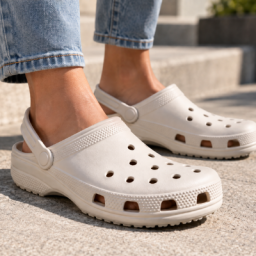
The distinction has already appeared in other consumer product disputes. In the Crocs lawsuit against Five Below, Crocs alleges that a competing clog infringes trademark rights covering aspects of its recognizable footwear design. Similarly, the Smucker’s dispute with Trader Joe’s over Uncrustables raises questions about how intellectual property law protects the appearance and construction of familiar food products.
Although those cases involve U.S. law and different legal claims, they reflect the same commercial concern facing Mondelēz: protecting a recognizable product without claiming ownership over an entire category of designs.
Strategic By Design: The Juris Law Group, P.C. Perspective on Trademark Law
The Toblerone dispute demonstrates why product design protection should begin before a product reaches the market. At Juris Law Group, P.C., our trademark protection lawyers assess how distinctive product features interact with existing trademark rights, manufacturing requirements, and the way consumers identify competing products. For companies developing recognizable shapes or packaging, documenting design decisions and evaluating potentially conflicting trademarks can be as important as selecting the product’s name.
The case also illustrates the commercial value of licensing and brand protection strategies that address product appearance alongside traditional trademarks. When a distinctive design becomes part of a company’s identity, licensing agreements may need to define which product configurations a manufacturer or commercial partner can use.
For Mondelēz, the next stage of the lawsuit will depend on the evidence supporting its claimed rights and the similarities between the two chocolate bars. Catherine’s Originals may rely on the differences in their shapes, branding, and market positioning, while Mondelēz may seek to establish that Toblerone’s reputation warrants broader protection. As of early November 2026, the allegations remain unresolved.
Over the next 12 months, the proceedings could provide further guidance on how UK courts assess similarities between recognizable food product shapes. A ruling addressing the scope of Toblerone’s trademark rights would be particularly relevant to confectionery manufacturers developing distinctive product designs. A settlement involving changes to O’bar’s appearance could also influence future product development decisions, although it would provide less judicial guidance on the legal boundaries of shape trademarks.
Common Legal Inquiries
Can the shape of a chocolate bar be trademarked?
Yes. A chocolate bar’s shape may qualify for trademark protection when it meets the applicable legal requirements and consumers recognize the design as identifying a particular commercial source. Protection generally cannot extend to functional features, and registration does not automatically prohibit competitors from using other shapes with similar characteristics.
Can a company infringe a trademark without copying its name or logo?
Yes. Trademark infringement can involve the distinctive shape or appearance of a product. Depending on the applicable law and the trademark’s reputation, infringement may arise from consumer confusion or certain forms of unfair advantage or harm involving a famous mark, even when the competing product uses different branding.
Can a famous brand stop competitors from selling similarly shaped products?
Potentially, but similarity alone does not establish infringement. Courts consider the scope of the protected trademark, the resemblance between the products, consumer perception, and the applicable legal requirements. A well-known brand may have broader protection, but it does not automatically control every competing product with a comparable shape.