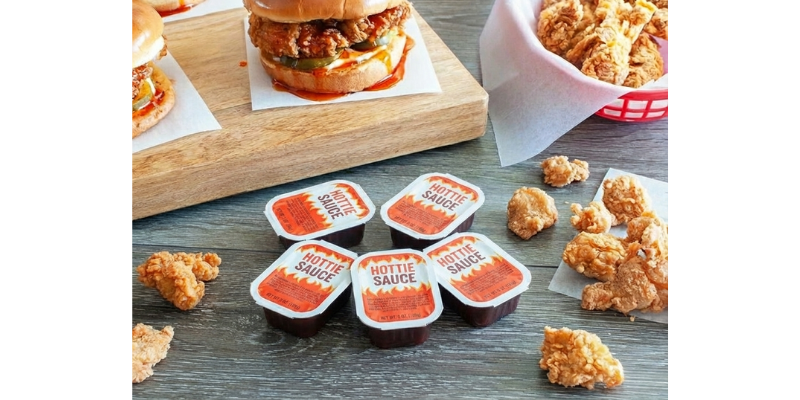
Celebrity collaborations in the restaurant industry are usually short-lived marketing plays. The Megan Thee Stallion and Popeyes partnership stands out because it followed a different path—one built on structured trademark licensing and, ultimately, franchise ownership.
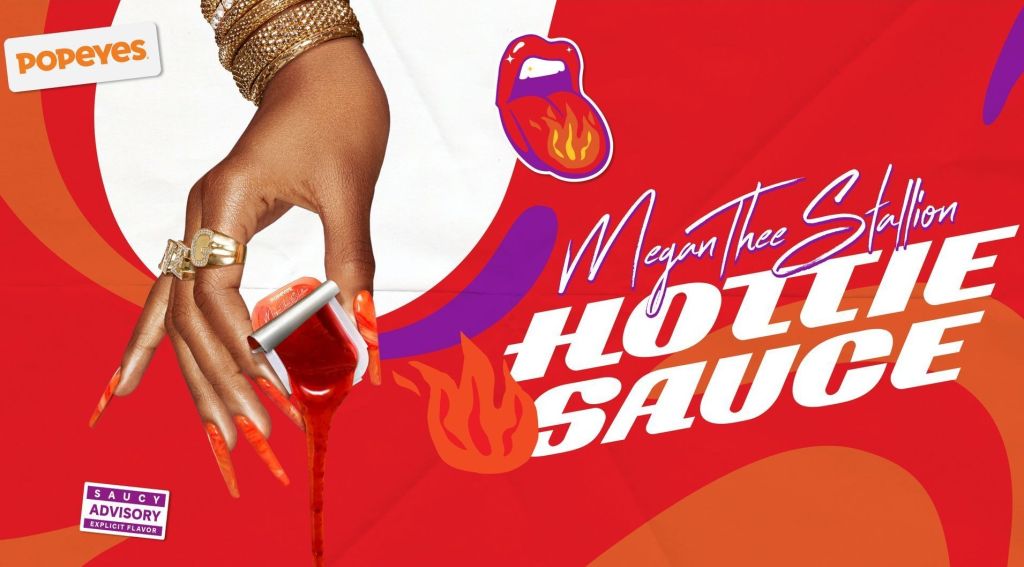
What began in 2021 with the launch of “Megan Thee Stallion Hottie Sauce” developed over several years into Megan Thee Stallion opening her own Popeyes franchise in Miami at the end of 2025. That evolution reflects a deliberate legal strategy that allowed both brands to expand the relationship without compromising ownership or control of their intellectual property.
How was the Megan Thee Stallion Popeyes partnership structured at the start?
Short answer: as a limited trademark license and co-branding arrangement, not a joint venture.
When Popeyes introduced Hottie Sauce in 2021, the collaboration was almost certainly governed by a co-branding agreement paired with narrowly defined trademark and publicity-rights licenses. Popeyes received permission to use Megan Thee Stallion’s name and likeness for a specific menu item, campaign, and promotional window. Megan, in turn, consented to Popeyes’ trademarks being used alongside her brand for advertising and co-branded merchandise.
At the same time, Popeyes publicly framed the relationship as extending beyond a standard celebrity endorsement. That framing strongly suggests a separate franchise development agreement existed alongside the marketing deal, outlining a future path for Megan to become a Popeyes franchise owner.
Legally, this created two parallel tracks:
- A marketing and product license governing trademark use and publicity rights.
- A franchise relationship governed by Popeyes’ franchise system and brand standards.
This structure allowed both parties to collaborate without forming a joint venture or sharing ownership of core assets.
How did the Megan Thee Stallion Popeyes deal expand over time?
First Phase (2021): Hottie Sauce Launch and International Expansion
After its initial U.S. release, Hottie Sauce was rolled out internationally and promoted through Popeyes’ digital platforms, mobile apps, and co-branded merchandise. From an intellectual property perspective, this required express contractual rights covering geographic territory, distribution channels, and duration.
Second Phase (2023): Trademark Ownership of “Megan Thee Stallion Hottie Sauce”
By 2023, public trademark filings showed applications for “MEGAN THEE STALLION HOTTIE SAUCE” tied to an entity associated with Megan. This detail is significant. It suggests that ownership of the product name remained on the celebrity side, while Popeyes retained control over the recipe, preparation methods, and restaurant execution.
Third Phase (2025): Transition From Licensed Collaboration to Franchise Ownership
By late 2025, the relationship reached its most durable phase: Megan Thee Stallion opened her own Popeyes franchise in Miami. At that point, the governing IP framework shifted into a classic franchisor-franchisee trademark license, with ongoing obligations, inspections, and operational controls.
How were both brands protected during the collaboration?
Short answer: through strict quality control, approval rights, and limits on trademark use.
For Popeyes, trademark law requires active quality control. In practice, this typically includes:
- Detailed brand and advertising guidelines.
- Approval rights over menus, packaging, and promotional materials.
- Restrictions on how long Megan Thee Stallion’s name could be tied to specific products.
- Morals and conduct clauses addressing reputational risk.
For Megan Thee Stallion, protection operates in the opposite direction:
- Clear limits on how her name and likeness may be used.
- Control over brand associations and creative presentation.
- Boundaries preventing Popeyes from extending similar branding beyond the agreed scope.
These safeguards allowed creative collaboration while preserving trademark integrity on both sides.
Who owns the intellectual property created through the partnership?
Short answer: ownership appears deliberately divided by asset type.
While the contracts are private, the likely allocation follows a common structure in celebrity licensing deals:
- Product name and celebrity branding: Owned by Megan’s entity, licensed to Popeyes for defined uses.
- Recipes and preparation methods: Retained by Popeyes as trade secrets.
- Advertising and campaign materials: Either owned by Popeyes as works made for hire or subject to limited license-backs.
- Franchise intellectual property: Entirely owned by Popeyes and licensed to Megan as a franchisee.
This separation allows the collaboration to evolve—or conclude—without forcing either party to surrender its core brand assets.
What was the exit or longevity strategy for the Popeyes–Megan Thee Stallion relationship?
Short answer: the structure anticipates both outcomes.
Well-drafted IP agreements plan for the possibility that a marketing collaboration ends while a business relationship continues. These provisions typically address:
- Sell-off periods for packaging and merchandise.
- Rules governing archived social media content.
- Obligations to discontinue use of names or likenesses after license expiration.
- Franchise rights that remain in place even if celebrity branding is phased out.
Here, the marketing layer could sunset while franchise ownership continues independently.
Strategic Guardrails for Celebrity Brand Partnerships
Define trademark use precisely.
Specify which marks may be used, for which products, in which territories, and for how long—then update the scope as the partnership grows.
Make quality control operational.
Build approval rights and brand standards into everyday marketing and product workflows to protect trademark rights.
Set ownership of new brand assets early.
Decide who owns product names and slogans before launch and register them promptly.
Use workable morals clauses.
Define clear triggers and remedies so reputational issues can be managed without automatic termination.
Plan the exit from the start.
Address sell-off periods, content takedowns, and post-term trademark use to protect brand value.
FAQs
Is the Megan Thee Stallion Popeyes partnership a joint venture?
No. The Megan Thee Stallion Popeyes partnership is not a joint venture. It is structured through trademark licensing, co-branding, and franchising agreements. Each party retains ownership of its own intellectual property and business operations.
Who owns the Hottie Sauce trademark used by Popeyes?
Public trademark filings indicate that the “Megan Thee Stallion Hottie Sauce” name is owned by an entity associated with Megan Thee Stallion. Popeyes appears to use the name under a limited license while retaining control over the recipe and restaurant operations.
Why is trademark quality control important in the Megan Thee Stallion Popeyes deal?
Trademark quality control is required to preserve enforceable trademark rights. In the Megan Thee Stallion Popeyes collaboration, quality-control provisions likely govern how Megan’s name and Popeyes’ branding appear on menus, packaging, advertising, and in-store materials.
Can a celebrity like Megan Thee Stallion own a Popeyes franchise?
Yes. Megan Thee Stallion became a Popeyes franchise owner through a separate franchise agreement. Celebrity involvement does not replace franchise obligations, which include compliance with brand standards, operational controls, and ongoing fees.
Why is the Megan Thee Stallion Popeyes partnership different from a typical celebrity endorsement?
Most celebrity endorsements are limited to short-term marketing campaigns. The Megan Thee Stallion Popeyes partnership is different because it evolved into franchise ownership, requiring long-term trademark licenses, operational compliance, and brand oversight.
Does the Popeyes franchise continue if the celebrity branding ends?
Yes. A Popeyes franchise operates under a franchisor–franchisee trademark license. Even if the Megan Thee Stallion branding or product collaboration ends, the franchise can continue operating under Popeyes’ trademarks, subject to the franchise agreement.
Key takeaway
The Megan Thee Stallion and Popeyes partnership worked because trademark licensing and franchising were treated as long-term business tools—not campaign details. By separating co-branding, product licensing, and franchise ownership into distinct legal frameworks, both parties preserved control while allowing the relationship to grow.
At Juris Law Group, we advise brands, founders, and licensors on structuring collaborations that scale without weakening trademark protection or operational clarity.