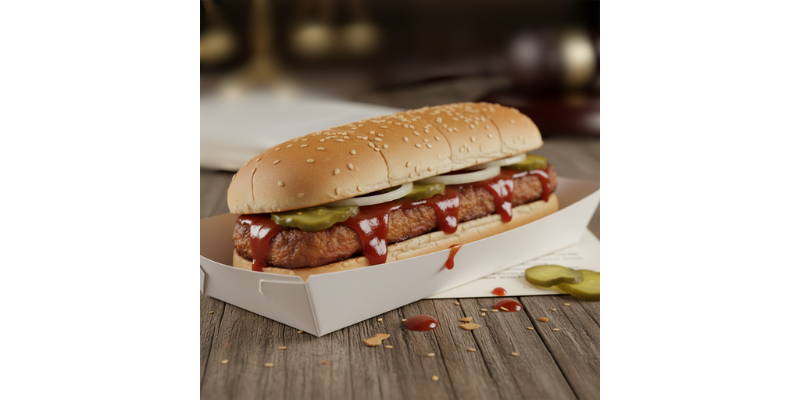
McDonald’s is facing a new federal class-action lawsuit over one of its most recognizable menu items: the McRib. Filed in late December 2025, the complaint alleges that the fast-food chain misled consumers by marketing the sandwich as a “rib” product despite it being made from restructured pork rather than rib meat.
The case adds to a growing wave of food-labeling and advertising litigation testing how product names, shapes, and branding influence consumer expectations, and where courts draw the line between creative marketing and deception.
What Does the McRib Lawsuit Allege?
Short answer: Plaintiffs claim the McRib’s name and presentation lead consumers to believe it contains pork ribs when it does not.
The lawsuit, Le et al. v. McDonald’s Corporation, was filed in the U.S. District Court for the Northern District of Illinois by consumers from multiple states. According to the complaint, McDonald’s violated state consumer protection laws by selling the McRib under a name and design that allegedly implies a specific cut of meat—pork ribs—rather than a formed pork product.
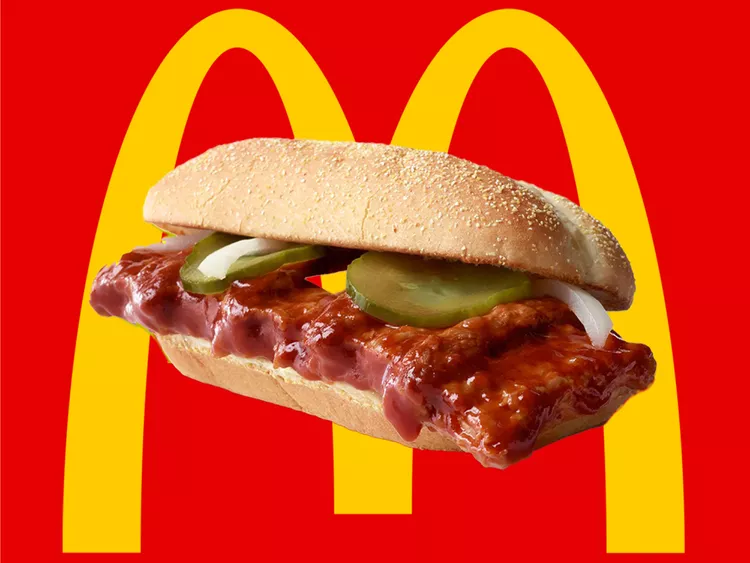
The plaintiffs argue that a reasonable consumer encountering the McRib would expect a sandwich made from rib meat, not a boneless, reshaped pork patty engineered to resemble a rack of ribs.
🔗 Public court docket:
Le et al. v. McDonald’s Corp. — Justia Dockets & Filings
https://dockets.justia.com/docket/illinois/ilndce/1:2025cv15609
How the Complaint Frames Consumer Deception
Short answer: The case focuses on overall consumer impression, not technical ingredient accuracy.
According to the complaint, McDonald’s reinforces the alleged deception through:
- The “McRib” name itself
- The rib-shaped patty design
- Marketing imagery historically associated with ribs
While McDonald’s ingredient disclosures state the product contains pork, the plaintiffs argue that disclosures do not cure what they characterize as a misleading overall message. Under many state consumer protection statutes, the legal test centers on how a reasonable consumer would interpret the product—not whether every statement is literally true.
The lawsuit also alleges that consumers paid a premium price based on this perception, forming the basis for damages and restitution claims.
McDonald’s Position and Public Response
Short answer: McDonald’s denies that its marketing is misleading and disputes the legal theories in the complaint.
McDonald’s has stated publicly that the McRib is made with 100% pork sourced from U.S. suppliers and that its marketing and ingredient disclosures are accurate. The company has characterized the lawsuit as distorting the facts and has emphasized its commitment to food quality and transparency.
At this stage of the litigation, McDonald’s has not yet filed a substantive response addressing the merits of the claims.
Why Product Naming and Shape Matter Under Consumer Protection Laws
Short answer: Courts evaluate what consumers reasonably believe they are buying—not just what the label technically says.
Food marketing cases frequently turn on whether a product’s name, imagery, or form conveys a specific promise about:
- Ingredients
- Cut or quality of meat
- Nature of the product
Even when ingredient lists are accurate, courts may still find potential deception if branding creates a misleading impression. This is particularly true where product names reference recognized food categories such as “rib,” “steak,” or “filet.”
What is “restructured meat”?
Restructured meat refers to real meat that has been processed, combined, and formed into a specific shape rather than sold as an intact cut. In consumer protection cases, the issue is not whether the product contains meat, but whether its name and presentation mislead consumers about the cut or quality.
What This Case Signals for Food and Beverage Companies
Short answer: Creative branding can carry legal risk when it implies more than the product delivers.
The McRib lawsuit reflects increased scrutiny of:
- Product names tied to specific ingredients or cuts
- Visual design that reinforces those associations
- Whether disclosures meaningfully correct consumer assumptions
Even legacy products and limited-time offerings are subject to modern consumer protection standards. Longevity alone does not insulate a product from renewed legal challenges.
Brands operating in regulated or highly competitive food categories should closely evaluate how product names and visuals may be interpreted outside internal marketing teams.
For more on this topic, see our discussion of false advertising and consumer protection laws and how courts assess consumer perception in food marketing disputes.
What Happens Next in the Case?
Short answer: The court will first determine whether the lawsuit can proceed past early dismissal motions.
Key next steps likely include:
- A motion to dismiss by McDonald’s
- Judicial analysis of consumer perception standards
- Potential disputes over class certification
Many consumer class actions resolve before trial, but early rulings often influence how companies adjust labeling and marketing practices across entire product lines.
Frequently Asked Questions (FAQ)
Is the McRib lawsuit a class action?
Yes. The plaintiffs seek to certify a nationwide or multi-state consumer class.
Does the McRib contain real pork?
According to McDonald’s, yes. The dispute centers on whether consumers reasonably believe it contains pork rib meat specifically.
Can product names be misleading under consumer protection laws?
Yes. Courts focus on overall consumer impression, not just literal accuracy.
What remedies are plaintiffs seeking?
The lawsuit seeks damages, restitution, and injunctive relief to prevent allegedly misleading marketing.
Key Takeaway
When a product name implies a specific ingredient or cut, courts may hold brands to that implication—regardless of fine-print disclosures.
Juris Law Group, P.C. regularly advises food, beverage, and consumer brands on advertising compliance, product naming, and regulatory risk. This article is for informational purposes and does not constitute legal advice.