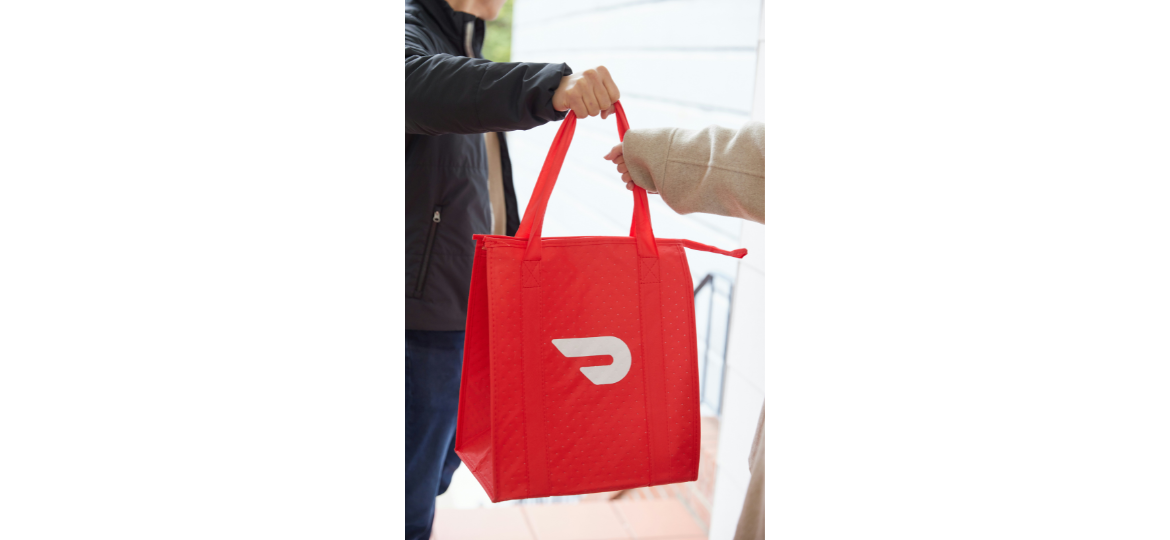
DoorDash announced on October 29, 2026, that it will acquire Instacart for approximately $17 billion, combining two of the largest delivery platforms in the United States. The agreement would bring Instacart’s grocery network, retailer relationships, and advertising technology under DoorDash’s ownership, expanding its reach beyond restaurant delivery.
Under the agreement, DoorDash will pay $65 per Instacart share in a combination of cash and stock, representing a 26% premium over Instacart’s October 22 closing price. Both companies have approved the transaction, but Instacart shareholders and regulators must still clear the deal. The companies expect to complete the acquisition in late 2027 or the first half of 2028.
The proposed acquisition would give DoorDash a stronger position in online grocery shopping, where retailers increasingly rely on outside platforms to handle orders, deliveries, and advertising. It also brings potential antitrust scrutiny, particularly over whether the combined company could charge higher fees or limit competition among grocery delivery providers.
DoorDash and Instacart Face Antitrust Review
The acquisition will undergo federal antitrust review under the Hart-Scott-Rodino Act, which generally requires companies involved in large transactions to notify federal authorities before completing a merger.
The central legal issue comes from Section 7 of the Clayton Act. That law prohibits acquisitions that may substantially reduce competition in a particular market. Regulators do not need to wait for prices to increase or competitors to disappear before challenging a transaction.
DoorDash already holds a leading position in restaurant delivery, while Instacart has established an extensive network of grocery retailers and delivery shoppers. Combining these businesses could strengthen DoorDash’s negotiating position with retailers and increase its influence over delivery fees, commissions, and access to customers.
According to Reuters, the acquisition is likely to attract attention from the Federal Trade Commission (FTC), which has been examining delivery fees and grocery affordability. The agency has also scrutinized Instacart’s pricing practices, including experiments in which consumers reportedly encountered different prices for identical products.
A major question will be how regulators define the market in which DoorDash and Instacart compete. Grocery delivery services compete with retailers that operate their own delivery networks, including Walmart and Amazon. However, independent grocery stores may have fewer alternatives when seeking a third-party platform to handle online orders.
That distinction could affect the outcome of the review. If regulators conclude that DoorDash and Instacart compete closely for the same retailers and customers, the merger may face greater scrutiny than if the companies can demonstrate substantial competition from other delivery options.
The companies argue that their combined operations would help local retailers compete with larger grocery chains. Whether those anticipated benefits outweigh potential harm to competition will depend on the evidence regulators examine.
Grocery Retailers Could Face New Contract Terms
Instacart’s value extends well beyond its consumer delivery app. The company provides grocery retailers with online ordering systems, fulfillment technology, advertising services, and access to delivery shoppers.
DoorDash plans to combine those capabilities with its existing delivery network. According to the official acquisition announcement, Instacart customers could gain access to more than 50,000 additional stores, while DoorDash expects to retain the Instacart brand and app.
For grocery retailers, the acquisition could change the terms under which they access delivery services. A combined platform with more customers and technology may offer operational advantages, but it could also gain greater leverage when negotiating commissions, service fees, and promotional arrangements.
DoorDash has expressly committed to allowing grocery retailers to work with competing delivery platforms rather than requiring exclusive relationships. That commitment addresses one potential antitrust concern, although exclusivity is only one way a commercial agreement can restrict competition.
A retailer might remain free to use another delivery service while facing higher fees for doing so, losing favorable promotional placement, or encountering restrictions on access to customer information. Such arrangements are not automatically unlawful, but their competitive effects may become relevant during merger review.
Existing contracts will also matter. Retailers with Instacart agreements may need to examine provisions governing assignment, changes in control, pricing adjustments, data ownership, and termination rights. The acquisition itself does not necessarily allow DoorDash to rewrite those agreements, and the applicable terms will determine what changes require consent.
These issues are particularly relevant to independent grocers that rely on third-party delivery services to compete with national chains.
Instacart’s FTC Settlement Adds Pressure to Subscription Plans
The acquisition also brings together two subscription services: DashPass and Instacart+.
DoorDash has announced plans to offer members access to both services for one membership fee, estimating that the arrangement could save consumers approximately $100 million annually. That proposal comes less than a year after Instacart agreed to a $60 million consumer refund settlement with the FTC.
In December 2025, the FTC alleged that Instacart misled consumers about free delivery, satisfaction guarantees, and subscription charges. According to the agency, some consumers who received offers for free delivery still faced mandatory service fees, while others enrolled in Instacart+ without adequately understanding that their free trials would convert into paid subscriptions.
The resulting federal court order addresses misleading representations about delivery costs and requires clear disclosures and informed consent for certain recurring subscription charges.
These requirements are directly relevant to DoorDash’s proposed membership integration. Advertising a single membership at a lower price would still require accurate explanations of applicable service fees, automatic renewals, and cancellation terms.
The Federal Trade Commission Act prohibits deceptive business practices, while the Restore Online Shoppers’ Confidence Act imposes additional requirements on certain online subscription arrangements. State consumer protection laws may also apply.
Another area receiving less attention is the combined company’s potential influence over grocery advertising.
Instacart operates an established retail advertising business that allows food and beverage manufacturers to promote products within grocery shopping results. Its influence over product visibility is also reflected in Instacart’s list of the top 75 brands, which highlights the consumer products gaining traction on its platform. Instacart’s advertising and other revenue increased 23% year over year in the third quarter of 2026.
Combining that business with DoorDash’s advertising operations could change how manufacturers purchase sponsored placements and negotiate access to shoppers. Product visibility may increasingly depend on the commercial terms established by a single platform.
For consumer products companies, the relevant concerns include advertising costs, access to campaign performance data, and the transparency of paid product recommendations. These arrangements may also attract antitrust attention if the combined platform uses its position to disadvantage competing advertising services or restrict retailers’ commercial choices.
Strategic by design: the juris law group, p.c. perspective
At Juris Law Group, P.C., our food and beverage attorneys assess how distribution agreements, retailer relationships, and advertising arrangements affect a company’s ability to compete and protect its commercial interests. The DoorDash–Instacart transaction illustrates why contractual flexibility matters when a business depends on a major platform to reach customers. Retailers should understand whether existing agreements protect their ability to use competing delivery services, retain customer information, and negotiate pricing independently.
For consumer products manufacturers, the concerns extend to advertising rights and control over how products appear in online marketplaces. A company may have a well-established distribution relationship yet retain limited influence over sponsored placements or promotional pricing. These issues fall within the broader scope of food and beverage law and consumer products and manufacturing, where commercial agreements and advertising practices can directly affect market access.
The next stage of the acquisition will depend on shareholder approval and regulatory review. Federal authorities are likely to examine whether the combined company would reduce competition in grocery delivery, increase costs for retailers, or limit consumers’ alternatives. DoorDash’s commitments concerning retailer exclusivity and membership savings may form part of that assessment, but they do not guarantee approval.
The transaction is also worth watching for changes to the relationship between grocery retailers and delivery platforms. If completed, DoorDash would control an expanded network of delivery services, grocery technology, and retail advertising capabilities. The terms under which retailers and consumer brands access those services may prove as consequential as the merger’s effect on consumer delivery prices.
Common Legal Inquiries
Can regulators block the DoorDash–Instacart merger?
Yes. Under Section 7 of the Clayton Act, federal antitrust authorities can challenge an acquisition that may substantially reduce competition. Regulators could examine grocery delivery prices, retailer commissions, competing platforms, and barriers to market entry. The companies must satisfy applicable regulatory requirements before completing the transaction.
Can DoorDash require grocery retailers to use its delivery services exclusively?
DoorDash has publicly committed to allowing grocery retailers to work with competing delivery platforms following the acquisition. Exclusivity agreements are not automatically unlawful, but arrangements that substantially restrict competition can raise antitrust concerns. Retailers should also examine pricing incentives, promotional restrictions, and termination provisions in their existing agreements.
How could the DoorDash–Instacart acquisition affect food and beverage brands?
The combined company could gain greater influence over grocery advertising, sponsored product placements, and access to online shoppers. Food and beverage manufacturers may face changes in advertising costs, campaign terms, and product visibility. Existing advertising and distribution agreements will determine which rights remain protected if the transaction closes.