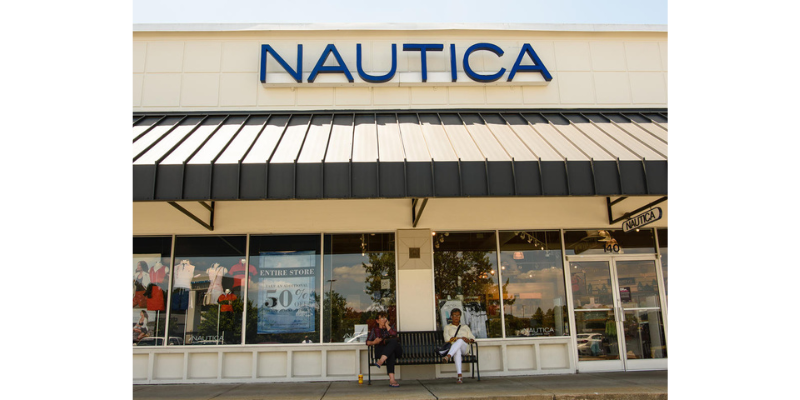
Nautica’s new Brazilian e-commerce platform illustrates how international brand licensing increasingly extends beyond manufacturing and distribution rights. On September 8, 2026, Nautica announced that its official Brazil online store was live, with local licensed apparel partner TRM managing the operation as part of the brand’s continued expansion in the country. Nautica is owned by Authentic Brands Group, whose business model relies heavily on licensing intellectual property through local and category-specific partners.
TRM already manages Nautica’s wholesale distribution and retail operations in Brazil. Adding e-commerce gives the licensee another direct route to Brazilian consumers and creates legal considerations that traditional distribution provisions may not fully address. For brand owners using licensing agreements to enter international markets, the Nautica structure shows why digital sales rights, trademark control, consumer relationships and coordination among licensees should be addressed before a branded online store goes live.
Nautica’s Brazil Licensing Agreement Shows Why E-Commerce Rights Need Separate Treatment
Authentic described the new website as the next step in its long-term strategy to grow Nautica through strong local partners. TRM, a Brazilian apparel company founded in 1968, is Nautica’s licensed apparel partner in the country and manages development, production and distribution in addition to wholesale, retail and e-commerce operations. The new platform initially provides consumers throughout Brazil with direct access to Nautica menswear.
That expanded role illustrates an increasingly important issue in brand licensing agreements: authorization to manufacture or distribute licensed merchandise should not be assumed to include every digital sales channel. A license may need to specify whether the licensee can operate a standalone branded website, sell through third-party marketplaces, conduct social commerce, use the trademark in domain names, or run paid digital advertising under the licensed brand.
Those distinctions become more important when an e-commerce platform functions as an official local representation of a global brand. Pricing, promotions, product imagery and website content can affect the reputation associated with the trademark. The agreement therefore becomes part of the brand owner’s portfolio management strategy, defining how much commercial independence the local operator receives and where approval rights remain with the IP owner.
Multiple Nautica Licensees in Brazil Create Product and Channel Allocation Issues
TRM is not Nautica’s only publicly announced licensing partner in Brazil. On January 28, 2026, Authentic announced a long-term agreement with Altomax covering Nautica underwear and socks for men, women and children. Under that arrangement, Altomax oversees development, production, launch and distribution of those categories throughout Brazil, with products made available online and through selected stores.
The coexistence of these arrangements demonstrates why product categories and sales channels need careful contractual boundaries. TRM manages Nautica’s official Brazilian e-commerce operation, while Altomax has separately received rights for specific product categories that include online distribution. The public announcements do not disclose how the agreements allocate those intersecting rights, so no conclusion can be drawn about their contractual terms. The structure nevertheless provides a useful example of an issue that brand owners should resolve when appointing multiple licensees.
If products from a category licensee are eventually sold through an e-commerce platform operated by another licensee, the agreements may need to determine who controls merchandising, inventory, fulfillment, pricing and returns. Royalty calculations and revenue attribution can also become more complicated when one licensed product passes through another partner’s sales infrastructure. Clear channel and category definitions reduce the risk that separately negotiated licenses create competing rights within the same territory.
E-Commerce Licensing Raises Trademark Control and Consumer Data Questions
Trademark control is particularly important when a licensee operates the brand’s official local website. Consumers visiting an official Nautica platform may have little reason to distinguish between Authentic, Nautica and TRM when viewing advertising, purchasing merchandise or seeking customer service. From the consumer’s perspective, the experience is associated with the NAUTICA brand.
Licensing agreements can address that exposure through standards governing trademark presentation, website design, advertising creative, product photography, promotions and other public-facing uses of the licensed IP. Approval procedures also allow a brand owner to preserve consistency while giving a local partner enough operational authority to respond to its market.
The less visible issue is control of the digital customer relationship. A direct-to-consumer website can generate customer accounts, purchase histories, marketing permissions and other commercially valuable information. It can also accumulate search visibility and consumer recognition tied directly to the licensed trademark.
That creates questions that may become especially important when the licensing relationship ends. Agreements should address control of domains and related digital assets, permitted access to customer information, transition obligations, social-media accounts where applicable, and the extent to which a departing licensee may continue communicating with consumers acquired through the branded platform. Without clear contractual treatment, the end of a license can create uncertainty over assets that did not exist in the traditional wholesale model.
strategic by design: The Juris Law Group, p.c. Perspective on Brand Licensing
At Juris Law Group, P.C., our IP attorneys regularly assess licensing arrangements based on how the licensed brand will actually operate in the market. For consumer brands, the practical scope of a license can extend well beyond permission to place a trademark on specified products. Territory, product category, digital channels, quality control, enforcement responsibility and post-termination rights can determine whether the agreement remains workable as the business grows.
Nautica’s Brazilian expansion provides a useful example because Authentic is managing a global trademark through specialized local relationships. Authentic works with more than 1,700 licensees and strategic partners across 150 countries, and its brands generate more than $38 billion in annual systemwide retail sales. At that scale, defining which partner controls each category and channel becomes part of maintaining the commercial structure around the underlying IP.
For brands considering a similar international expansion, licensing documentation should anticipate the next stage of distribution rather than addressing only the initial launch. An agreement drafted around wholesale distribution may become strained when the licensee later requests marketplace rights, a branded DTC store or access to consumer data. Addressing those possibilities at the outset can reduce the need to reconstruct rights after the brand has already developed a meaningful local customer base.
Strategic Outlook for International Brand Licensing and E-Commerce
Over the next 12 months, Nautica’s Brazilian e-commerce operation could give Authentic and TRM a broader direct channel for building the brand beyond its existing wholesale and retail presence. Authentic has already demonstrated its intention to expand Nautica through specialized Brazilian partners, including its January 2026 Altomax agreement and the September launch of TRM’s e-commerce operation. The next contractual question will be how those category-specific relationships function as Nautica’s online assortment expands.
For the broader consumer-products sector, the lesson extends beyond Brazil. International licensing agreements increasingly need to treat digital distribution as a distinct commercial right rather than an automatic extension of territorial exclusivity. Brand owners that separate manufacturing, categories and channels among multiple partners also need contractual rules for the points where those rights meet. E-commerce makes those intersections visible because the consumer ultimately encounters one brand even when several companies operate behind it.
Common Legal Inquiries
Does a trademark license automatically allow a licensee to sell products online?
Not necessarily. The agreement determines the scope of the licensee’s rights. Brand owners should expressly address branded websites, third-party marketplaces, social commerce, digital advertising and territorial restrictions rather than assuming that authorization to manufacture or distribute products includes unrestricted e-commerce rights.
Who owns customer data collected through a licensee-operated brand website?
The answer depends on the contractual structure and applicable data-protection law. A licensing agreement should define each party’s rights and responsibilities concerning customer information, marketing permissions and access to data, including what happens to that information when the license expires or is terminated.
Can one brand appoint different licensees for different product categories in the same country?
Yes. Category licensing is common, particularly for global consumer brands. The agreements should clearly define products, territories and distribution channels. When separate licensees receive overlapping online rights, additional provisions may be needed to address official websites, marketplaces, fulfillment, royalties and brand presentation.