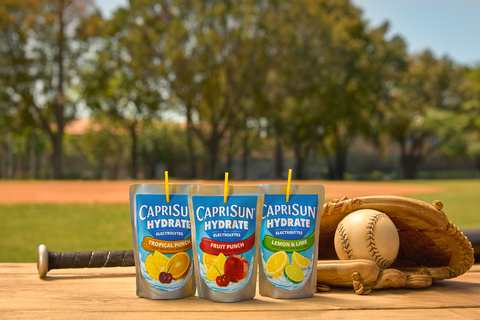
Kraft Heinz has launched Capri Sun Hydrate as part of a broader effort to reposition the Capri Sun brand within the fast-growing functional beverage category. The product combines electrolytes, added vitamins such as Vitamin E, and reduced sugar content, while retaining the brand’s signature pouch format and fruit-based flavors like Fruit Punch, Tropical Punch, and Lemon-Lime. It is marketed as a hydration option for children and distributed nationwide through major retailers, with a rollout timed to capture peak summer demand.
This shift moves Capri Sun into a category with a far more complex legal profile than traditional juice products. By framing the product as a functional hydration beverage, Kraft Heinz introduces labeling exposure, product representation risk, and advertising liability tied to how the product’s benefits are communicated and understood by consumers.
Product Representation Risk in Capri Sun Hydrate’s Electrolyte Positioning
Capri Sun Hydrate is positioned as an electrolyte drink designed to support hydration for active children. That positioning places it in direct proximity to sports drinks, even though the product is not marketed exclusively for athletic performance. The legal issue is not whether the product contains electrolytes, but whether the overall messaging implies a level of functional benefit that exceeds what consumers would reasonably expect.
Under the “reasonable consumer” standard applied in false advertising cases, courts evaluate how a product is likely to be interpreted in context. The use of electrolyte language, combined with child-focused branding and familiar juice flavors, creates a hybrid identity that may blur the line between a refreshment beverage and a functional hydration product. This ambiguity can expose the brand to claims that consumers are being misled about the product’s purpose or necessity.
The risk is compounded by Capri Sun’s legacy positioning. For decades, the brand has been associated with juice pouches for children, not hydration products. By maintaining similar packaging while introducing new functional claims, Kraft Heinz must manage the transition carefully to avoid creating confusion about what the product is intended to do.
Labeling Exposure from Sugar Reduction and Clean Label Claims
A central feature of Capri Sun Hydrate is its claim of having “50% less sugar than leading sports drinks,” with approximately 10 grams of sugar per serving. Comparative claims like this are permitted under FDA regulations, but they require clear disclosure of the reference product and must not create a misleading impression about the product’s overall health profile.
The legal risk arises when consumers interpret reduced sugar as an indicator of general healthfulness, rather than a narrow comparison within a specific category. If the benchmark for the comparison is not clearly defined, or if marketing materials emphasize the reduction without adequate context, plaintiffs may argue that the claim overstates the product’s benefits.
The product also emphasizes clean label attributes, including the absence of artificial flavors, colors, and preservatives. These claims align with consumer demand but contribute to the overall perception of the product as a healthier alternative. When combined with electrolyte and vitamin content, the label may create an impression of enhanced nutritional value that goes beyond what is explicitly stated.
From a legal standpoint, the key issue is the cumulative effect of these claims. Courts often focus on the net impression created by the label, rather than evaluating each statement in isolation. Even technically accurate claims can contribute to liability if, taken together, they create a misleading overall message.
Advertising Liability in Child-Focused Hydration Marketing
Capri Sun Hydrate is marketed as an everyday hydration option for children, positioned for use during sports, outdoor play, and routine activities. Its availability across major retailers and its alignment with seasonal demand reinforce this positioning as a regular consumption product rather than a specialized beverage.
Marketing functional beverages to children introduces heightened advertising liability. Claims that suggest hydration benefits can influence parental purchasing decisions, particularly when presented alongside child-friendly branding and familiar packaging. Regulators and courts often scrutinize whether such messaging implies that the product is necessary or beneficial for daily consumption.
The broader functional beverage category has already seen litigation over claims related to hydration efficacy and sugar content. By entering this space, Capri Sun becomes subject to similar scrutiny. Any inconsistency between packaging, digital advertising, and in-store messaging can be used to argue that the brand is presenting a misleading narrative about the product’s benefits.
An important legal nuance in this context is the role of cross-channel marketing. Claims made on packaging must align with those in online advertising and retail displays. Discrepancies across these channels can strengthen allegations that the overall advertising strategy is deceptive, even if individual statements comply with regulatory standards.
The Juris Law Group Perspective on Food and Beverage Labeling and Advertising
We advise companies navigating the transition from traditional product categories into functional or health-oriented segments. As food and beverage attorneys in California, we assess how labeling exposure and advertising liability evolve when brands introduce new claims that shift consumer perception.
In situations like Capri Sun Hydrate, the analysis extends beyond regulatory compliance to include how the product is understood in the marketplace. Trademark protection lawyers within our team also evaluate how brand extensions into new categories affect consumer expectations and the strength of existing trademarks.
From a portfolio management perspective, this type of expansion requires alignment between product formulation, labeling, and marketing strategy. A disconnect in any of these areas can increase exposure to enforcement actions and private litigation, particularly in jurisdictions with active consumer protection regimes.
Portfolio Management and Competitive Risk in Functional Beverage Expansion
Capri Sun Hydrate reflects a strategic effort by Kraft Heinz to modernize a legacy brand and capture growth in the functional beverage category. The company is leveraging Capri Sun’s established presence in households to enter a segment that continues to expand, particularly among consumers seeking reduced sugar and functional benefits.
This approach offers clear advantages but also introduces competitive and legal risks. The functional beverage market is highly litigated, with frequent challenges to claims related to sugar content, hydration benefits, and ingredient transparency. As Capri Sun gains traction, it may face similar scrutiny from both regulators and plaintiffs’ attorneys.
The decision to retain the pouch format reinforces brand recognition but may also contribute to consumer confusion about the product’s purpose. A beverage that looks like a traditional juice pouch but is marketed as a hydration product must clearly communicate its function to avoid misleading consumers.
From a trademark perspective, extending Capri Sun into the hydration category can strengthen the brand’s portfolio, but it requires consistent messaging to maintain clarity in consumer perception. The success of this strategy will depend on whether Kraft Heinz can balance innovation with disciplined control over product representation.
Strategic Outlook
Over the next 12 months, Capri Sun Hydrate will likely face increasing scrutiny as it establishes its position in the functional beverage market. If the product achieves strong sales and distribution, it may attract challenges focused on its comparative sugar claims and the implied benefits of its electrolyte positioning. Early enforcement activity or litigation could shape how the brand refines its messaging and labeling strategy.
More broadly, the expansion of legacy brands into functional categories will continue to drive legal activity in the food and beverage sector. Products that combine reduced sugar claims, clean label positioning, and functional ingredients will remain a focal point for false advertising litigation. Companies pursuing similar strategies will need to carefully manage how their products are presented to consumers to mitigate risk while maintaining competitive positioning.
Common Legal Inquiries
Can electrolyte claims in beverages create legal exposure?
Yes. Even when electrolytes are present, liability can arise if marketing suggests enhanced hydration or performance benefits that exceed what consumers reasonably expect. Courts focus on the overall impression created by the product’s messaging.
Are reduced sugar claims likely to be challenged?
They can be. Comparative claims must clearly identify the reference product and avoid implying broader health benefits. Ambiguity in how the comparison is presented often leads to labeling disputes.
Does marketing hydration products to children increase risk?
Yes. Child-focused marketing is subject to heightened scrutiny, particularly when health-related claims are involved. Regulators and courts often evaluate how messaging influences both children and parents in purchasing decisions.