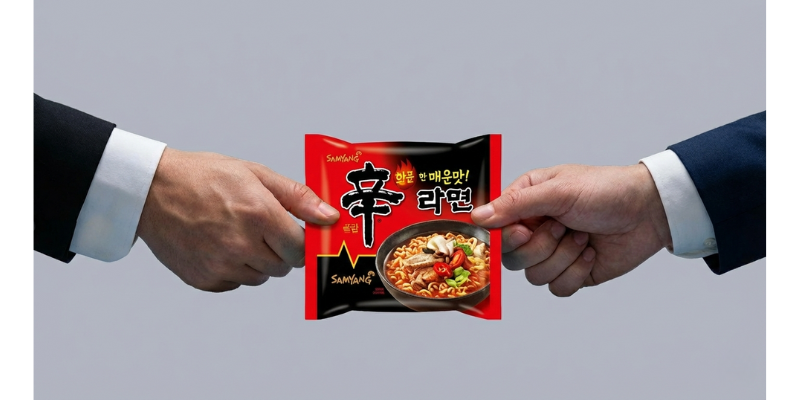
Global trademark disputes are no longer limited to multinational consumer brands. As companies and public figures expand internationally, disputes over names, branding, and identity are becoming more frequent and more costly.
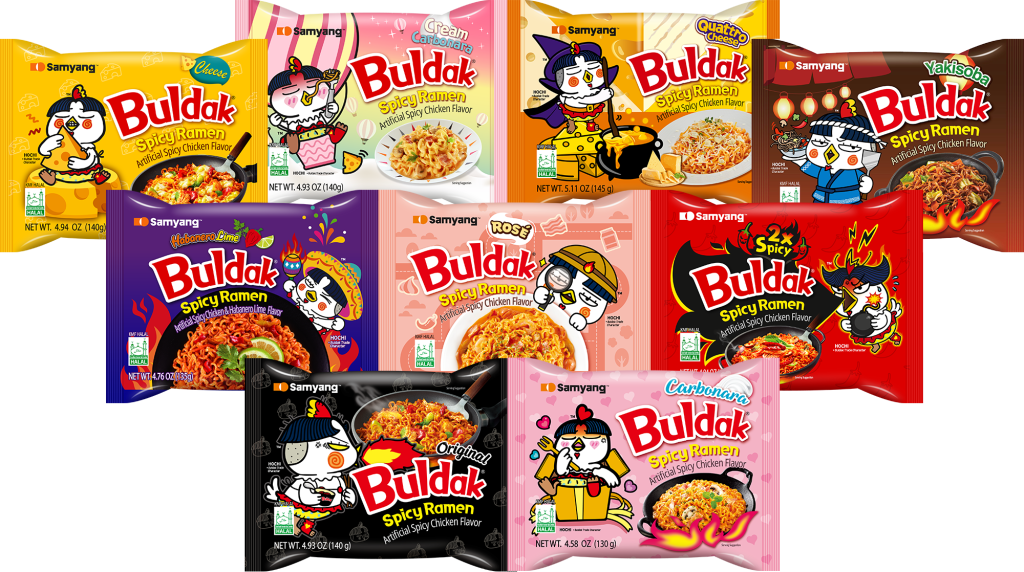
Samyang Foods’ recent disclosure that it is involved in trademark disputes across dozens of countries illustrates how trademark law can determine who controls a name in global markets. The same legal risks increasingly affect celebrities, influencers, and personal brands whose names function as commercial assets.
What did Samyang Foods reveal about its trademark disputes?
Short answer: Samyang says it is currently involved in trademark disputes in 27 countries, despite holding trademark registrations in 88 jurisdictions.
According to public statements reported in the Korean press, Samyang Foods disclosed the scope of these disputes at a national economic strategy forum. Company executives attributed the disputes to unauthorized overseas trademark filings, often made before Samyang formally entered certain markets, forcing the company to defend its rights country by country.
Why do first-to-file trademark systems create these problems?
Short answer: In first-to-file countries, trademark rights usually go to the first applicant, not the first user.
This system can reward opportunistic filings when a brand or name becomes well known internationally. Legitimate brand owners may lose the ability to use their own names locally, face delays entering new markets, or be forced into settlement negotiations to regain control of their trademarks.
How do Samyang’s disputes relate to celebrity names and likeness rights?
Short answer: The same trademark rules apply when a person’s name or persona is used commercially.
For celebrities, athletes, influencers, and estates, a name can function as both a personal identity and a brand identifier. When likeness or publicity rights offer limited protection across borders, trademark law often becomes the primary tool for enforcing commercial rights tied to a name or persona.
What happens if someone trademarks your name in another country?
Short answer: They may gain exclusive rights to use your name in that country, even if it is your own.
In first-to-file jurisdictions, a third party that registers a name first can block its commercial use, demand licensing fees, or force legal action to recover the rights. This can prevent sales, endorsements, or brand expansion until the registration is challenged or cancelled through local procedures.
Can you lose the right to use your own name as a trademark?
Short answer: Yes, particularly in first-to-file trademark systems.
If a name is not registered early, another party may secure trademark rights before the legitimate owner. Even well-known individuals can face restrictions on using their own name commercially in certain markets, especially where prior use carries little or no legal weight.
Do celebrities need trademarks if they already have publicity rights?
Short answer: Often, yes.
Publicity and likeness rights vary widely by jurisdiction and may provide limited protection outside the United States. Trademarks offer clearer enforcement options for commercial uses such as merchandise, endorsements, and licensed products, particularly in international markets where personality rights are weak or inconsistently enforced.
What is the difference between trademark infringement and likeness infringement?
Short answer: Trademark infringement focuses on consumer confusion, while likeness infringement focuses on identity misuse.
Trademark claims require showing that a use causes confusion about source, sponsorship, or endorsement. Likeness claims address unauthorized commercial use of a person’s identity, even when confusion among consumers is not the primary issue.
Which countries use first-to-file trademark systems?
Short answer: Many major markets outside the United States follow first-to-file rules.
These include China, South Korea, Japan, Vietnam, Indonesia, Thailand, and most European Union countries. In these jurisdictions, registration timing often determines ownership, making early trademark filings especially important for brands and public figures expanding internationally.
Can a celebrity’s name or image be protected as a trademark?
Short answer: Yes, but only when it functions as a brand.
Courts typically examine whether the name or image is used in commerce, identifies the source of goods or services, and is recognized by consumers as a commercial identifier. Mere fame alone is not enough to establish trademark rights without consistent commercial use.
Why are trademarks increasingly important for likeness protection?
Short answer: Trademarks offer more predictable enforcement tools in global markets.
Trademark rights can support customs enforcement, platform takedowns, and cross-border action in countries where likeness rights are limited or unclear. This makes trademarks a practical tool for protecting commercial identity tied to merchandise, endorsements, and licensed brand extensions.
What limits does trademark law have in likeness disputes?
Trademark law does not prevent all uses of a name or image. It generally does not apply to news reporting, parody, expressive works, or non-commercial references. Trademark claims usually require a showing that the use creates confusion about sponsorship, endorsement, or the source of goods or services.
What should brands and public figures do to reduce trademark risk?
The most effective approach is proactive and layered. This includes early trademark registration in key jurisdictions, clear licensing and endorsement agreements, coordination between trademark and likeness enforcement, and ongoing monitoring of overseas filings and online marketplaces.
At Juris Law Group, our attorneys advise brands and public figures on trademark strategies designed to reduce exposure to cross-border disputes before they disrupt growth or reputation.
Key Takeaway
Samyang Foods’ global trademark disputes highlight a broader legal reality: names and identities often travel faster than trademark protection. For celebrities and personal brands, trademarks are an essential, though not exclusive, tool for protecting commercial identity in international markets.