TikTok Shop has shifted influencer marketing from brand awareness to direct sales. In some cases, a single creator-led livestream can generate millions in revenue. Canvas Beauty founder Stormi Steele, for example, has publicly documented TikTok Shop livestreams that drove extraordinary sales volume in a matter of hours, highlighting how influencers are now functioning as direct sales channels rather than just promoters.
As more brands rely on TikTok Shop influencer campaigns to drive revenue, many discover their influencer agreements do not clearly address two issues that now determine the value of these relationships: who owns the content and who controls the customer data. When sales, analytics, and content distribution are controlled by the platform, gaps in endorsement and affiliate agreements can quickly become material business risks.
How Does TikTok Shop Change Traditional Influencer Endorsement Agreements?
Short answer: TikTok Shop reduces brand control over distribution, data, and attribution.
Previously, brands directed traffic to their own e-commerce sites. Now, customers complete purchases within TikTok. TikTok Shop reported over $500 million in U.S. sales during a single Black Friday–Cyber Monday period, with established names like Samsung US, Disney Store, and Ralph Lauren participating alongside emerging brands.
For influencers and brands, this means:
- TikTok controls sales attribution and reporting
- Customer data often stays within TikTok’s ecosystem
- Endorsement agreements must be rewritten to address these shifts
Who Owns Influencer Content Created for TikTok Shop?
Unless the contract explicitly says otherwise, the influencer typically owns the content they create. This becomes a sticking point when that content drives measurable TikTok Shop sales.
In notable campaigns, brands such as Tarte Cosmetics have seen their TikTok Shop–linked videos drive outsized engagement and sales, yet the brand’s rights to reuse that content beyond the TikTok ecosystem depend on contract terms. Vogue
Endorsement agreements should clearly spell out:
- Whether the brand receives a license or full ownership of the content
- Permitted channels for reuse (e.g., paid ads, website, email)
- How long the rights last and whether they survive termination
Without clear language, brands may only have rights to use the material inside TikTok Shop.
When influencer content drives TikTok Shop sales, unclear ownership terms can quickly turn into licensing and brand protection issues, particularly when trademarks, product packaging, or brand names appear in the content.
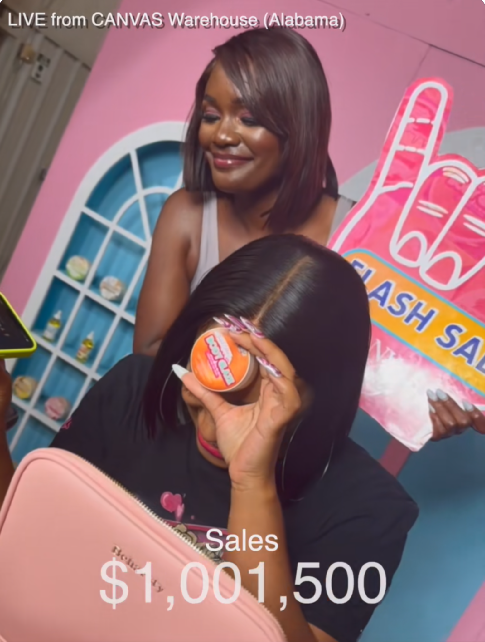
Canvas Beauty founder Stormi Steele earned millions in sales from a single livestream event
Can Brands Use TikTok Shop Content in Paid Ads or Other Channels?
Not automatically. TikTok’s internal terms and creator rights govern how content can be reused.
For example, many brands that see products go viral on TikTok Shop — such as Bloom Nutrition’s creatine gummies that became a fitness trend via creator videos — later discover they need specific contract clauses to repurpose creator content for broader marketing.
Contracts should include:
- Explicit paid media and reuse permissions
- Spark Ads/distribution rights
- Territory and duration limits
If these aren’t defined, brands risk legal disputes or takedown requests.
Who Controls Customer Data From TikTok Shop Sales?
TikTok controls customer data and analytics from in-app purchases, limiting what brands can access.
This affects:
- Loyalty and remarketing programs
- Email capture and retargeting
- First-party customer profiles
Brands need endorsement agreements that address:
- What sales and performance data the influencer and brand can access
- How data can be used for future marketing
- Whether influencers may remarket to purchasers
This is a notable departure from traditional affiliate links that drive customers to brand-owned sites.
How Should Affiliate Compensation Be Structured in TikTok Shop Deals?
Affiliate compensation tied to platform performance can be unpredictable.
Brands working with TikTok Shop influencers often need to define:
- What counts as a completed sale
- Commission terms and reporting expectations
- How refunds or chargebacks affect payouts
- Audit and dispute resolution rights
For example, brands engaged in large TikTok Shop promotions during holiday sales must clarify these terms up front to avoid disagreements.
What FTC Disclosure Obligations Apply?
Influencers participating in affiliate and TikTok Shop sales must comply with FTC endorsement disclosure rules.
Contracts should require:
- Clear, conspicuous disclosure language
- Placement requirements in video or livestream descriptions
- Agreement to comply with TikTok’s branded content policies
- Indemnification for non-disclosed paid relationships
Regulators have increased scrutiny of affiliate-driven endorsements, and noncompliance can lead to exposure for both brands and creators.
FAQ
Who owns influencer content created for TikTok Shop?
Ownership depends on contract language; absent clear terms; influencers typically retain rights.
Can brands reuse TikTok Shop videos in advertising?
Only if the endorsement agreement grants specific usage rights.
Does TikTok share customer data with brands?
Data access is limited and controlled by TikTok’s platform.
Are TikTok Shop influencer endorsements regulated?
Yes — including FTC disclosure requirements for affiliate sales.
Juris Law Group Experience
Juris Law Group advises brands and creators on influencer endorsement agreements, affiliate marketing contracts, and social commerce legal risk. We help clients structure enforceable contracts that protect IP, clarify data rights, and ensure transparency in compensation.
Key Takeaway
TikTok Shop has turned influencer endorsements into platform-controlled sales channels. As a result, brands must update endorsement agreements to address content ownership, customer data rights, compensation structures, and regulatory compliance — or risk losing control over assets and insights that now drive measurable growth.