The Food and Drug Administration (FDA) has initiated a formal push to broaden its oversight of pharmaceutical marketing and the structural composition of its advisory committees. This expansion targets the intersection of clinical data presentation and the methods by which public health guidance is formulated. These proposed changes represent a shift toward more aggressive monitoring of promotional claims and a centralization of power within the agency’s administrative framework.
Redefining the Scope of Promotional Review
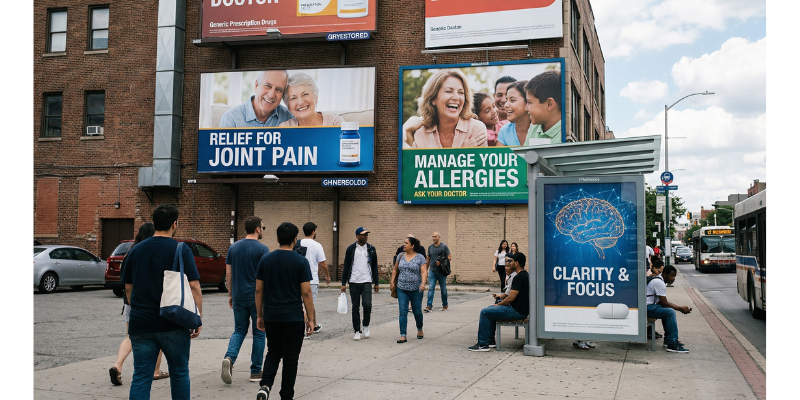
On April 6, 2026, the FDA released its fiscal year 2027 budget request, which includes a high-priority “wish list” for new legislative authorities. A cornerstone of this proposal is the request for explicit statutory power to deem innovator and compounded drugs as misbranded if their direct-to-consumer (DTC) advertising lacks “fair balance” or creates a misleading impression. This move follows a massive enforcement blitz in late 2025 and early 2026, where the agency issued dozens of Untitled and Warning Letters to companies overstating efficacy or minimizing risks.
By seeking new statutory language in the Federal Food, Drug, and Cosmetic Act, the agency aims to streamline its enforcement of “Clear, Conspicuous, and Neutral” risk disclosures. The proposed updates would apply to both brand-name drugs and mass-marketed compounded alternatives, such as GLP-1 treatments. For brand owners, this shift means the FDA will no longer rely solely on discretionary guidance but will have a direct legislative mandate to penalize promotional materials that fail to meet strict presentation standards.
Structural Overhaul of FDA Advisory Committees
Beyond advertising, the April 2026 legislative proposal seeks to reform the mechanisms of Scientific Advisory Panels to increase predictability in the drug approval process. The FDA is requesting the flexibility to appoint consumer and industry representatives only “where appropriate,” rather than as a statutory requirement for every committee. This centralization aims to reduce the influence of external academic conflicts and allow internal agency scientists more weight in the final voting processes for New Drug Applications (NDAs) and Biologics License Applications (BLAs).
Critics suggest that reducing the autonomy of independent experts could lead to a less transparent approval process. However, Commissioner Marty Makary maintains that standardized committee structures will prevent inconsistent recommendations across different therapeutic divisions. This realignment will fundamentally change how sponsors prepare for “AdCom” meetings, shifting the focus toward addressing the specific technical concerns of agency staff rather than broader academic consensus.
The Lanham Act and Private Enforcement Risks
While the FDA focuses on administrative enforcement, pharmaceutical brands must also consider the rising risk of private litigation under Section 43(a) of the Lanham Act. False or misleading statements in drug advertising often trigger secondary challenges from competitors who allege unfair competition or trademark dilution. These private actions frequently move faster than agency enforcement and can result in significant statutory damages.
In California, the Business and Professions Code §17200 (the Unfair Competition Law) provides an even broader hook for litigation against companies that misrepresent clinical data. The synergy between FDA regulatory scrutiny and state-level consumer protection statutes creates a dual-threat environment for CPG and pharmaceutical brands. Managing this risk requires a legal strategy that accounts for both agency guidelines and the broader litigation environment.
Strategic Protection of Proprietary Data
The expansion of FDA oversight also touches upon the protection of confidential commercial information during public hearings. As the agency moves toward “radical transparency” in its revised advisory committee proceedings, the risk of inadvertently disclosing trade secrets or proprietary clinical methodologies increases. Portfolio management now requires a proactive approach to marking and defending “Business Confidential” information in all agency submissions.
Safeguarding the intellectual property underlying a drug’s market position involves more than just patent filings. It requires a cohesive strategy to prevent competitors from leveraging public FDA disclosures to inform their own generic or biosimilar development pipelines. Companies must be vigilant in how they frame the “unique” aspects of their products to avoid narrowing their own claim constructions during future infringement actions.
The Juris Law Group Perspective
As CPG attorneys in California, we observe that brands struggle to synchronize marketing velocity with the rigorous standards of enforcement, particularly as the FDA targets compounded drug marketing in its April 2026 mandates.
Our IP attorneys focus on ensuring promotional claims do not inadvertently weaken a brand’s trademark profile or invite competitor litigation under the Lanham Act. We emphasize that a robust defense begins with the strategic prosecution of trademarks and the rigorous vetting of all external communications by experienced licensing counsel. We assist clients in navigating these administrative shifts to preserve brand equity while mitigating the dual pressures of federal oversight and competitive infringement risks.
Technical Requirements for Promotional Submissions
The FDA has outlined specific digital formatting requirements for the submission of all promotional materials intended for broadcast. These technical mandates are designed to facilitate faster indexing and review by agency staff.
- Submissions must utilize the Electronic Common Technical Document (eCTD) format for all Form FDA 2253 filings.
- Hyperlinked references must lead directly to the specific clinical data point cited in the promotional claim.
- Visual “fair balance” elements must be rendered in a font size no smaller than 50 percent of the size used for the primary efficacy headline.
- Broadcast advertisements must include a toll-free number or website for reporting side effects, clearly visible for a minimum of 15 seconds.
- All digital metadata must accurately reflect the date of the first planned dissemination to ensure the agency’s 30-day review clock is accurately triggered.
Impact on Licensing and Strategic Partnerships
The tightening of advertising standards has a direct impact on how licensing agreements are structured between innovators and distributors. Licensors are increasingly demanding strict “control of copy” rights to ensure that their licensees do not trigger FDA enforcement actions that could tarnish the core brand. These provisions often include indemnification clauses specifically tied to advertising-related litigation or agency fines.
In many cases, the value of a licensing deal is tied directly to the “cleanliness” of the brand’s enforcement history. A single Warning Letter can lead to a devaluation of the entire IP portfolio, as it signals a higher risk profile to potential investors or acquirers. Strategic counsel must ensure that all third-party partners are contractually bound to the same rigorous standards as the primary brand owner.
The Strategic Outlook for 2026-2027
The next twelve months will likely see a record number of enforcement actions as the FDA tests the limits of its expanded authority. We anticipate that the agency will prioritize “direct-to-consumer” social media influencers who promote prescription drugs without adequate risk disclosure. This will lead to a new wave of administrative precedents that will define the boundaries of digital pharmaceutical marketing for the next decade.
Furthermore, the restructuring of advisory committees will likely result in a temporary slowdown in drug approvals as the new internal protocols are implemented. Companies should prepare for longer lead times and more intensive requests for information during the pre-approval phase. Maintaining a flexible and well-documented clinical strategy will be the primary differentiator for successful market entry in this more restrictive environment.
Common Legal Inquiries
How does FDA oversight affect my trademark’s “Incontestability” status?
FDA enforcement actions do not directly revoke trademark registration, but they can provide evidence of “unlawful use in commerce.” If a brand is marketed in a way that violates federal law, a competitor might challenge the validity of the trademark. This can prevent the mark from reaching incontestable status under the Lanham Act.
Can a competitor sue me if the FDA has not yet issued a Warning Letter?
Yes, private parties can initiate litigation under the Lanham Act or state unfair competition laws regardless of FDA action. Courts have consistently held that the FDA’s primary jurisdiction does not preclude private lawsuits for false advertising. Competitors often use these lawsuits to gain a strategic advantage in the marketplace.
What are the risks of using “off-label” data in CPG marketing?
Using off-label clinical data in a commercial context is a primary trigger for enforcement actions and potential criminal liability. Even if the data is scientifically accurate, disseminating it outside of the FDA-approved labeling is considered “misbranding.” This can lead to product seizures, injunctions, and significant reputational damage to the brand.