What Are the New Zero Sugar Oreos?
Mondelez has released Oreo Zero Sugar in the United States in two versions: a classic Zero Sugar Oreo and a Zero Sugar Double Stuf. Both are meant to deliver familiar Oreo taste without traditional sugar in the recipe.
The cookies are sold in small portion packs with two cookies per pack. That format helps the brand control serving size and make nutrition claims easier to manage.
To replace sugar, Zero Sugar Oreos use a blend of maltitol, polydextrose, sucralose and acesulfame potassium. They do not use aspartame. That sweetener mix is what allows the product to qualify as sugar free while still tasting like an Oreo.
Are Zero Sugar Oreos Really Sugar Free Under FDA Rules?
Under FDA regulations, a product can use terms such as sugar free or zero sugar if it contains less than 0.5 grams of sugars per labeled serving. This standard appears in 21 CFR section 101.60, which governs nutrient content claims.
Here is the important part. FDA defines sugars in a narrow way. The rule covers monosaccharides and disaccharides. It does not treat sugar alcohols, high intensity sweeteners or starches as sugars.
That means Zero Sugar Oreos can legally be called sugar free if each serving falls below the 0.5 gram threshold for sugars, even though the cookies still contain carbohydrates and sugar alcohols.
In other words, they are sugar free in the legal sense. They are not free of calories or free of carbohydrates.
What Sweeteners Do Zero Sugar Oreos Use?
Zero Sugar Oreos rely on several different sweeteners:
- Maltitol and polydextrose to add bulk and sweetness
- Sucralose and acesulfame potassium to boost sweetness intensity
Under FDA rules, sugar alcohols must appear in the nutrition facts panel and must be counted in total carbohydrates. If there is a meaningful amount of maltitol or similar ingredients, brands also need to think about how those sweeteners are described so that consumers are not misled about their effects.
Sugar alcohols can cause digestive discomfort when people eat them in larger amounts. That is why some products include statements about possible stomach issues. For any brand using significant levels of maltitol, that risk analysis is now part of labeling and marketing review.
For Oreo Zero Sugar, the legal issue is not whether the cookies can be called sugar free. The bigger question is whether packaging or advertising suggests a broader health benefit than the product actually delivers.
How Do Zero Sugar Oreos Compare to Regular Oreos?
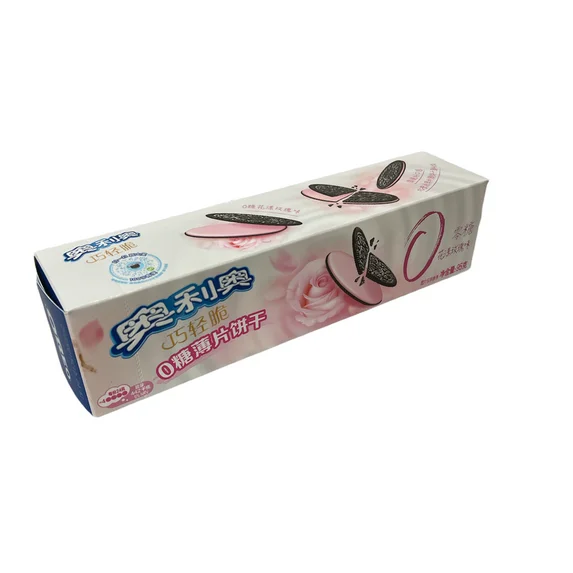
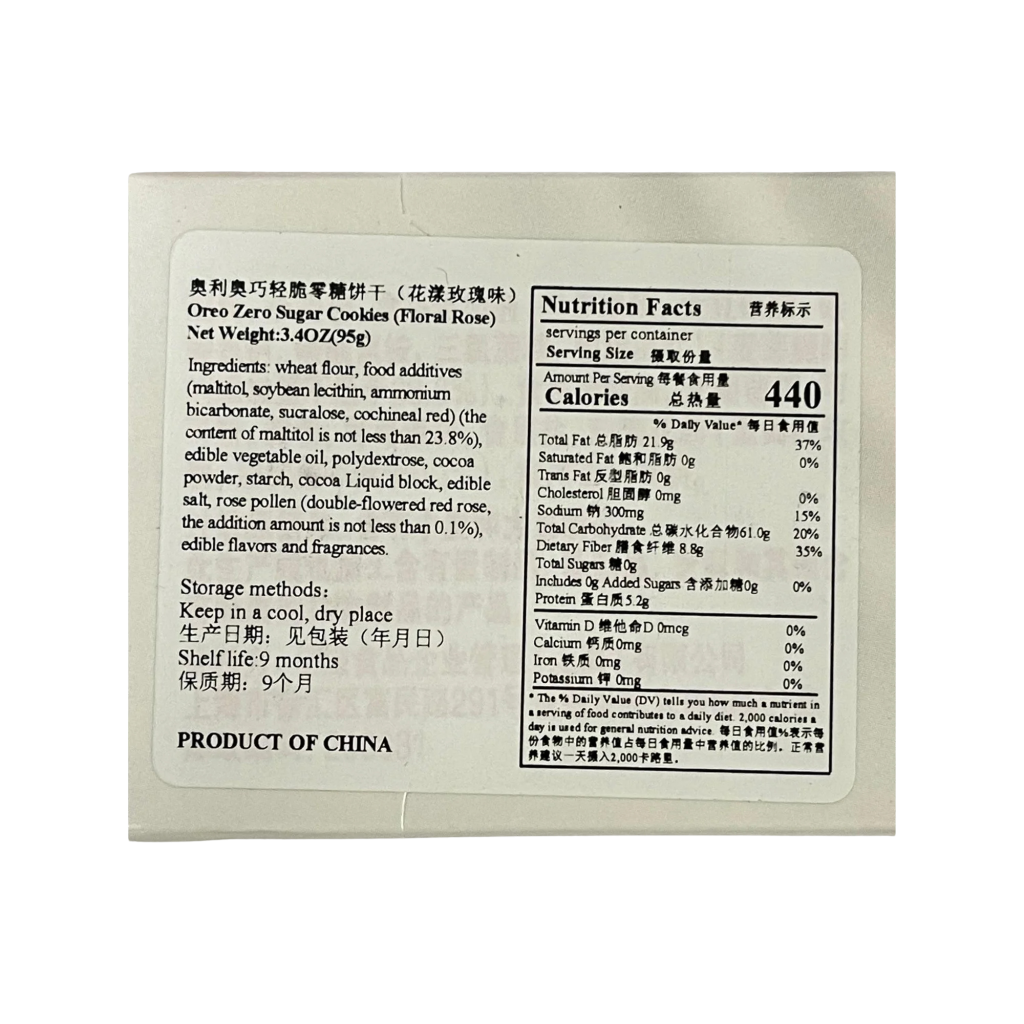
Zero Sugar Oreos
- Less than 0.5 grams of sugars per serving
- Sweetened with maltitol, polydextrose, sucralose and acesulfame potassium
- Not calorie free and not low carbohydrate
- Sold in portion controlled two cookie packs
Original Oreos
- Use conventional sugar in the cookie and creme
- Higher sugar grams per serving
- No sugar alcohols in the classic formula
- Sold in larger multi cookie sleeves or family packs
Zero Sugar Oreos reduce sugars as that term is defined by FDA. They do not remove calories altogether. Sugar alcohols have fewer calories per gram than sugar, but they are not a zero calorie ingredient. People who eat several packs in one sitting will still consume meaningful calories and carbohydrates.
Why Serving Size Matters for Sugar Free Claims
Sugar free claims are tied to sugar content per serving. That makes serving size a critical part of compliance.
Serving sizes must reflect the reference amount customarily consumed. Companies are not allowed to pick unrealistically small servings just to qualify for a claim.
The two cookie pack used for Zero Sugar Oreos helps define a clear serving. It also lines up with how many consumers might reasonably eat at once. Even so, brands must still confirm that their serving size is consistent with FDA reference amounts.
If a serving is set too low and most consumers eat much more, regulators or plaintiffs can argue that the label is misleading, even if the math on the nutrition panel is correct.
What Legal Risks Come With Sugar Free Claims?
Sugar free and zero sugar claims are nutrient content claims. They are allowed when the numeric threshold is met. Problems arise when the claim is combined with other language that suggests broader health benefits.
Regulators and plaintiffs look at the entire impression created by packaging and ads. If sugar free is presented in a way that implies weight loss, blood sugar control, or a general health halo, and the underlying science does not support that message, the claim can be attacked as deceptive.
For a product like Oreo Zero Sugar, potential risk areas include:
- Statements that suggest the cookies are a healthier version of the original
- Claims that hint at weight management or guilt free snacking
- Marketing that downplays calories or carbohydrates while spotlighting zero sugar
Brands that want to use sugar free claims safely should treat them as factual labeling terms, avoid turning them into health promises, and vet all related copy against FTC advertising standards and state consumer protection laws.
FAQs
Do Zero Sugar Oreos contain any sugar at all?
They contain less than 0.5 grams of sugars per serving. That is why they qualify as sugar free under FDA rules.
Do Zero Sugar Oreos raise blood sugar?
They still contain carbohydrates and sugar alcohols, which can affect blood sugar for some people. Sugar free does not mean blood sugar neutral.
Are Zero Sugar Oreos low calorie?
No. The cookies use sugar alcohols and other ingredients that still contribute calories. The calorie count can be similar to regular Oreos, depending on serving size.
Can Zero Sugar Oreos cause stomach issues?
Some people experience digestive discomfort when they eat larger amounts of maltitol or other sugar alcohols. That is not unique to this product, but it is a known effect of these ingredients.
Are Zero Sugar Oreos healthier than regular Oreos?
They have less sugar as that term is defined by FDA. Whether that is a better choice for any given person depends on overall diet, health needs and how many cookies they eat.
How Juris Law Group Helps Brands With Zero Sugar Labeling
Juris Law Group advises food and beverage companies on sugar free and zero sugar positioning, sugar alcohol disclosures, nutrient content claims and serving size decisions. We help clients structure labels and marketing so that they comply with FDA and FTC standards and are better prepared for scrutiny from regulators and plaintiffs when they launch products like Zero Sugar Oreos.
Key Takeaway
Zero Sugar Oreos meet FDA’s definition of sugar free, but they still contain calories, carbohydrates and sugar alcohols. The claim is accurate, yet it does not signal broader health benefits. For brands, the lesson is simple. Sugar free claims must be backed by compliant serving sizes, clear sweetener disclosures and marketing that does not imply benefits the product does not deliver.