A retailer can sell authentic branded products without the manufacturer’s permission in many circumstances. But a new trademark lawsuit involving Patrick Ta Beauty and CVS Pharmacy raises a more difficult question: When can the resale of genuine products become trademark infringement?
Patrick Ta Beauty filed suit against CVS and wholesale distributor Akstrom Imports in October 2026, alleging that its cosmetics were sold through unauthorized retail channels. The company also claims that CVS used its trademarks in promotional materials that could lead customers to believe the retailer had an official relationship with the brand.
The dispute could have implications for beauty companies, consumer products manufacturers, and retailers that obtain merchandise through third-party distributors. At issue is the boundary between lawful resale, exclusive distribution agreements, and trademark rights.
Why Patrick Ta Beauty Is Suing CVS Over Unauthorized Product Sales
Patrick Ta Beauty is a prestige cosmetics brand that distributes its products through selected retail channels, including Sephora. According to its complaint, the company discovered that CVS was selling Patrick Ta cosmetics without authorization, allegedly supplied by Akstrom Imports.
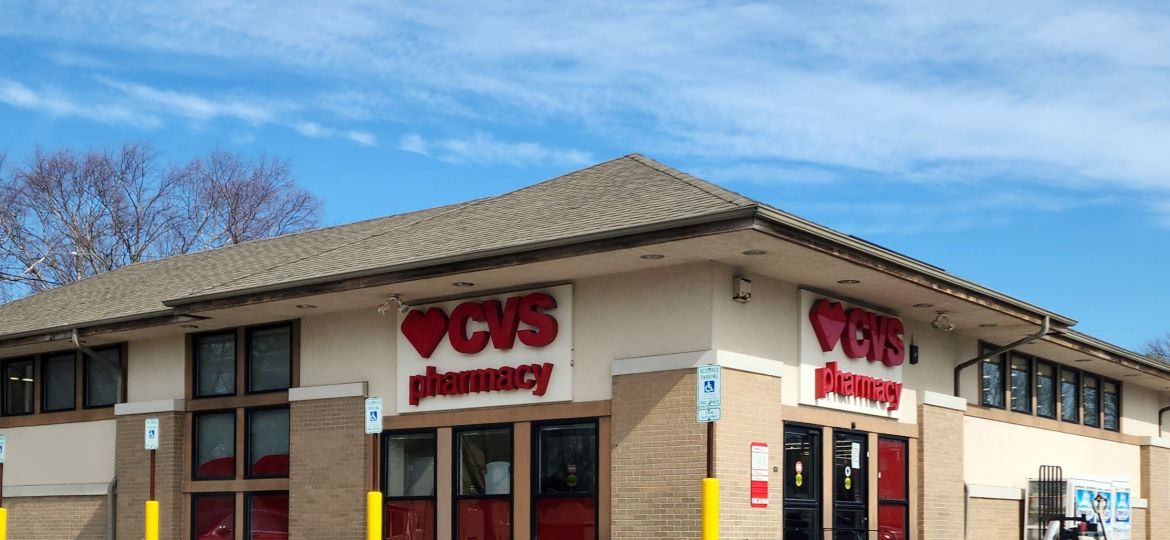
The products were reportedly offered through CVS’s Fresh Beauty Finds initiative, which introduced discounted prestige beauty products into approximately 2,000 stores. The initiative included cosmetics from several recognizable brands, bringing products typically associated with specialty beauty retailers into a pharmacy setting.
Patrick Ta Beauty alleges that neither CVS nor Akstrom had permission to distribute its products through CVS. The company also challenges the use of its trademarks in retail promotional displays, arguing that customers could mistakenly believe CVS was an authorized seller.
Importantly, the lawsuit does not allege that the products were counterfeited or physically altered. Instead, Patrick Ta Beauty argues that genuine products can still create trademark infringement concerns when sold without certain customer protections or marketed in a misleading manner.
The company asserts claims under the federal Lanham Act, California unfair competition law, and common-law trademark principles. It seeks an injunction, monetary relief, and other remedies. The allegations remain unproven, and the court has not determined whether CVS or Akstrom violated trademark law.
Can CVS Legally Resell Genuine Patrick Ta Cosmetics?
Under the first-sale doctrine, a business generally may resell genuine trademarked products that were lawfully placed into commerce. The original brand owner ordinarily cannot use trademark law to control every subsequent sale.
This principle allows discount retailers, wholesalers, and secondary-market sellers to purchase authentic merchandise and offer it to consumers without obtaining a separate license from the manufacturer.
However, the protection has limits. Courts have recognized that genuine products may fall outside the first-sale doctrine when they differ materially from products sold through authorized channels. These differences do not necessarily have to involve changes to the physical product.
Patrick Ta’s Argument Over Missing Consumer Protections
Patrick Ta Beauty argues that customers purchasing its cosmetics through CVS may not receive the same warranty coverage and customer-service benefits available through authorized retailers.
The company maintains that these missing protections make the products materially different, even if the cosmetics themselves are authentic.
Courts have accepted similar arguments in certain circumstances. In Beltronics USA, Inc. v. Midwest Inventory Distribution, LLC, the Tenth Circuit considered how missing manufacturer warranties and related services could affect whether resold products were materially different.
However, the application of that reasoning to cosmetics remains an important question. A customer purchasing a $26 lip gloss may evaluate warranty coverage differently from someone purchasing expensive electronics. Patrick Ta Beauty would need to establish that the missing benefits are meaningful to consumers and relevant to the alleged confusion.
The Ninth Circuit’s decision in Sebastian International, Inc. v. Longs Drug Stores Corp. also matters. There, the court recognized the general right to resell genuine haircare products despite the manufacturer’s objections to unauthorized distribution.
These decisions illustrate why an unauthorized sale is not automatically trademark infringement. The legal analysis depends on what customers receive, how the products are presented, and whether consumers are likely to be misled.
The Difference Between Reselling and Advertising Branded Products
Patrick Ta Beauty’s allegations concerning CVS’s promotional displays raise a separate issue from the resale of its cosmetics.
Retailers generally may identify the brands of genuine products they sell. But advertising that suggests an official partnership, sponsorship, or authorized retail relationship can create trademark infringement exposure if it misleads consumers.
Patrick Ta Beauty alleges that promotional materials bearing its trademarks were supplied for CVS’s retail displays. If those materials gave customers the impression that CVS was an approved Patrick Ta retailer, the advertising could become relevant to the company’s claims even if the underlying resale was otherwise lawful.
This distinction is particularly important for companies working with a brand protection lawyer to manage unauthorized distribution. Trademark enforcement requires examining both the products being sold and the representations made to customers.
Why Exclusive Distribution Agreements Do Not Automatically Prevent Resale
The lawsuit also illustrates the limits of exclusive retail arrangements.
A brand may enter into a distribution agreement giving one retailer exclusive rights to sell certain products. That agreement can create enforceable obligations between the parties, but it does not necessarily prevent an unrelated business from reselling genuine merchandise obtained lawfully.
For Patrick Ta Beauty, its relationship with Sephora may help explain why CVS’s sales are commercially concerning. However, the existence of an exclusive retail relationship does not independently establish trademark infringement.
How the retailer obtained the products is also relevant. The legal analysis must consider whether the supplier breached any distribution agreements, whether the merchandise was lawfully acquired, and which parties are bound by the contractual restrictions.
Those contractual questions are distinct from whether CVS’s sales or promotional materials create consumer confusion under trademark law.
For consumer products companies, the practical concern is maintaining effective distribution controls without assuming that trademark ownership gives the manufacturer unrestricted authority over downstream sales.
Strategic By Design: The Juris Law Group, P.C. Perspective
The Patrick Ta dispute demonstrates why trademark enforcement and distribution management should be evaluated together. A brand may have strong registered trademarks and carefully negotiated retail agreements while still facing limitations on its ability to restrict the resale of authentic products.
At Juris Law Group, P.C., our approach to licensing and brand protection includes assessing trademark rights, distribution agreements, promotional practices, and the commercial relationships governing product sales. A trademark infringement attorney must distinguish between conduct that violates a contract and conduct that creates a legally actionable risk of consumer confusion.
For manufacturers and retailers, effective protection also depends on documenting product warranties, identifying authorized sales channels, and reviewing how trademarks appear in third-party advertising. These measures can help establish whether an unauthorized seller is offering materially different products or creating a misleading impression of brand affiliation.
The guiding principle is consistent with our registered trademark, Bigger is not better, better is better®. Brand protection strategies should focus on enforceable rights and documented commercial risks rather than relying solely on broad restrictions against unauthorized sellers.
The Limits of Trademark Protection in Unauthorized Retail Sales
Patrick Ta Beauty’s case against CVS turns on a relatively narrow question: whether selling authentic cosmetics without the brand’s warranties or customer-service benefits is enough to establish trademark infringement. The court will also have to consider whether CVS’s promotional displays could reasonably lead shoppers to believe the retailer had an official relationship with Patrick Ta Beauty. Neither issue can be resolved simply by showing that CVS lacked permission to sell the products.
For Patrick Ta Beauty, a favorable ruling could provide additional grounds to challenge sales outside its authorized retail network. A ruling in CVS’s favor, however, could make it harder for beauty brands to rely on trademark law to restrict secondary-market sales. Regardless of the outcome, exclusive distribution agreements remain important, but their reach depends on who is bound by them. Trademark law does not give manufacturers an automatic right to control every subsequent sale of their products.
Common Legal Inquiries
Can a retailer legally sell branded products without the manufacturer’s permission?
Generally, yes. The first-sale doctrine permits the resale of genuine trademarked products that were lawfully placed into commerce. However, exceptions may apply when products are materially different from authorized versions, legitimate quality controls are compromised, or the retailer’s advertising misleads customers about its relationship with the brand.
Can a brand sue a retailer for selling authentic products?
Yes, but the brand must establish a valid legal basis. Unauthorized resale alone generally does not establish trademark infringement. A trademark infringement claim may arise when the products lack material benefits available through authorized channels or when the retailer’s use of trademarks creates a likelihood of consumer confusion.
Can an exclusive distribution agreement prevent unauthorized retailers from selling products?
An exclusive distribution agreement can restrict the parties bound by its terms, but it does not automatically prohibit independent retailers from reselling genuine merchandise. Enforcement depends on the contractual obligations, how the products were acquired, and whether the subsequent sales independently violate trademark or other applicable laws.