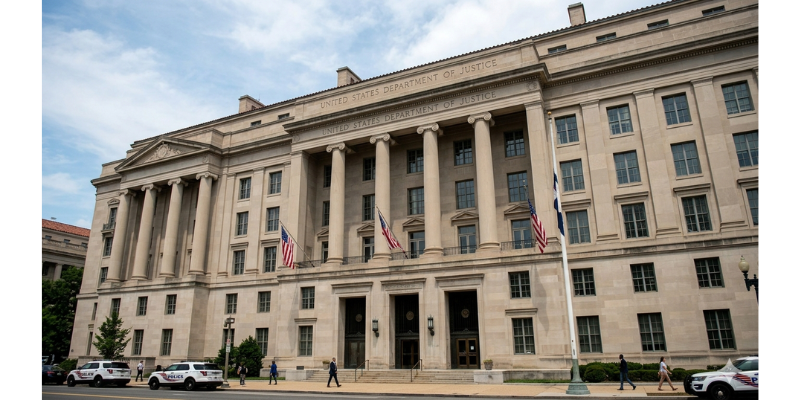
The federal treatment of cannabis shifted materially today, April 28, 2026, as the Department of Justice’s Final Order moving certain cannabis activity to Schedule III becomes effective upon publication. The order, issued on April 23, 2026, represents the most concrete step yet in redefining how federal law interacts with state-licensed medical cannabis. For brand owners, the immediate question is not legalization, but whether this shift alters the longstanding barrier to federal intellectual property protection.
The answer is narrower than many headlines suggest. While Schedule III status introduces a pathway toward lawful use under federal frameworks, it does not automatically unlock trademark rights. Instead, it creates a transitional environment where IP strategy, regulatory alignment, and product positioning must be carefully synchronized.
The April 2026 DOJ Order: Timeline, Scope, and Immediate Legal Effect
The current development stems from a multi-year administrative process initiated after the Department of Health and Human Services recommended rescheduling cannabis in 2023. After review, the DOJ issued its Final Order on April 23, 2026, confirming that certain cannabis-related activities would move from Schedule I to Schedule III under the Controlled Substances Act. The rule becomes effective today, marking the first time federal law has formally recognized a lower-risk classification for cannabis.
The scope of the order is critical. It primarily addresses state-licensed medical cannabis activity, rather than the broader commercial cannabis market. Recreational cannabis remains federally prohibited, and interstate commerce restrictions continue to apply. This distinction defines the boundary for any potential IP implications, as federal trademark law hinges on lawful use in commerce.
From a brand perspective, the timing creates a compressed decision window. Companies that have built portfolios around ancillary goods, hemp-derived products, or state-level rights must now evaluate whether their existing structures align with a potential federal framework. The legal question is no longer hypothetical, but it is far from settled.
Trademark Eligibility After Schedule III: Lawful Use Still Controls
Federal trademark protection under the Lanham Act requires that a mark be used in lawful interstate commerce. Historically, this has prevented cannabis brands from securing federal registrations for marijuana products, regardless of state legality. The USPTO has consistently rejected such applications on the basis that the underlying goods violate federal law.
Schedule III status introduces a potential shift, but only under specific conditions. If cannabis products are distributed within a federally lawful framework, such as FDA-approved formulations or tightly regulated medical channels, they may satisfy the lawful use requirement. This would place certain cannabis products closer to pharmaceutical products than traditional consumer packaged goods.
However, the transition is not automatic. Trademark eligibility will depend on several factors, including:
- Whether the product is authorized under federal law or FDA pathways
- Whether distribution complies with DEA registration requirements
- Whether the goods can legally move in interstate commerce
Absent these elements, the USPTO is unlikely to change its position. This creates a split system where some cannabis-related goods may become eligible for protection while others remain excluded.
Labeling and Advertising Exposure in a Post-Rescheduling Market
Rescheduling does not reduce scrutiny over how cannabis products are presented to consumers. In fact, it may increase it. As cannabis moves closer to regulated pharmaceutical status, labeling and advertising standards are expected to follow more formalized federal frameworks.
This introduces product representation risk. Claims regarding health benefits, potency, or therapeutic use will likely face evaluation under FDA standards, including misbranding provisions and substantiation requirements. For brands accustomed to state-level compliance regimes, this shift introduces a new layer of enforcement exposure.
The overlooked legal gap lies in consumer perception standards under the Lanham Act and state false advertising laws. Even if a product qualifies for federal legality, its branding and messaging must still avoid misleading impressions. Competitor challenges, class action litigation, and regulatory enforcement can arise from how a product is positioned, not just whether it is lawful.
In practical terms, cannabis companies entering a Schedule III environment may encounter the same advertising liability risks faced by dietary supplement and pharmaceutical brands. This includes scrutiny over implied claims, comparative advertising, and the overall net impression created by packaging and marketing materials.
Portfolio Management in a Split Federal-State Framework
The current environment creates a dual-track system for cannabis brand portfolios. On one track, federally compliant products may gradually become eligible for trademark protection. On the other, recreational and non-compliant products remain confined to state-level rights and ancillary brand strategies.
This fragmentation complicates portfolio management. Companies must decide whether to maintain parallel branding structures or attempt to consolidate under a federally compliant model. Timing is a central concern. Filing too early may result in USPTO refusals, while waiting too long may expose the brand to priority disputes as competitors move into the federal system.
There is also a risk of brand dilution. If a company uses different marks or variations across compliant and non-compliant product lines, it may weaken overall brand recognition. Conversely, using the same mark without federal protection exposes the brand to infringement risks and limits enforcement options.
The next phase of development will likely include increased competition for federal registrations as pathways become clearer. This places a premium on early-stage clearance, filing strategy, and alignment with regulatory developments.
The Juris Law Group Perspective on Trademark Protection and Portfolio Strategy
Our IP attorneys frequently advise companies operating in regulated product categories where legality and branding intersect. As trademark protection lawyers, we observe that cannabis rescheduling does not eliminate risk; it redistributes it across new regulatory and enforcement channels. The shift toward Schedule III requires coordination between IP strategy and regulatory positioning, particularly for companies seeking federal trademark rights.
We also see parallels with other industries transitioning into stricter federal oversight. Portfolio decisions must account for both current eligibility and future enforcement scenarios. This includes evaluating whether existing marks can transition into federally compliant use, as well as identifying gaps where new filings may be required.
From a practical standpoint, companies should approach this period as a staged transition rather than a completed shift. Trademark strategy must be aligned with product classification, distribution channels, and labeling frameworks. Misalignment in any of these areas can undermine both registration efforts and enforcement capability.
Strategic Outlook: What the Next 12 Months May Bring
Over the next year, the most immediate development will be regulatory clarification. Agencies such as the FDA and DEA are expected to define how Schedule III cannabis products can be developed, approved, and distributed. These definitions will directly influence whether and how trademark protection becomes available. Until those frameworks are established, the USPTO is unlikely to adopt a broad change in examination policy.
At the same time, early movers may begin testing the boundaries of federal eligibility. This could include applications tied to narrowly compliant products or strategic filings designed to secure priority positions. Disputes over these filings may shape how the law evolves, particularly if challenges reach the Trademark Trial and Appeal Board or federal courts.
For brand owners, the key consideration is timing. The current window presents both opportunity and exposure. Companies that align their IP strategy with emerging federal pathways may gain a competitive advantage, while those that rely solely on existing state-level protections may face increasing pressure as the legal framework shifts.
Common Legal Inquiries
Can cannabis companies now obtain federal trademarks?
Only under limited circumstances. Federal trademark protection depends on lawful use in interstate commerce. If a cannabis product qualifies under federal law, such as through regulated medical channels, it may be eligible. Most recreational products remain ineligible.
Does Schedule III make cannabis fully legal nationwide?
No. The rescheduling applies to specific categories, primarily state-licensed medical cannabis. Recreational cannabis remains federally prohibited, and interstate commerce restrictions still apply. The legal framework remains fragmented.
Should cannabis brands file trademark applications now?
It depends on the product’s regulatory status. Filing without a clear basis for lawful use may lead to refusal. A coordinated strategy that aligns regulatory compliance with trademark timing is generally more effective than early filing without support.