California Proposition 65 Enforcement: November 2025 Update
In November 2025, 316 Proposition 65 Notices of Violation (NOVs) were filed, continuing the pattern of aggressive enforcement against food, beverage, supplement, household, and retail products entering the California market. Heavy metals remained the dominant driver of litigation risk, especially lead and cadmium in soups, seafood, grains, and nutrition products, while plaintiffs also focused on phthalates in vinyl goods and PFAS in textiles and packaging.
For manufacturers, importers, licensors, and retailers, these November trends underscore the need for robust supply chain oversight, targeted testing, and clear contractual protections. Companies whose names appear on labels, invoices, or online listings—whether or not they physically handle the product—remain squarely within the scope of Prop 65 exposure.
November 1–30, 2025 – Proposition 65 Notice of Violation Summary
Total Notices of Violation (NOVs): 316
| Number of Violations | Listed Chemicals (Group) | Types of Products Targeted |
|---|---|---|
| 227 | Heavy metals (lead, cadmium, chromium, mercury) | Canned and refrigerated soups, anchovies and seafood, grain products, baby foods, protein and energy bars, ceramic plates and mugs |
| 41 | Phthalates (DEHP, DINP, DBP and related phthalates) | Vinyl and PVC accessories, cosmetic and travel bags, steering wheel covers, mats, clips, PVC-coated hardware and fitness gear |
| 24 | PFAS (PFOA, PFOS, PFNA and related compounds) | Rain covers and umbrellas, shower curtains, dish cloths and cleaning cloths, cushions and blankets, anchovies, liver and protein supplements |
| 19 | Bisphenols (BPA, BPS) | Thermal receipt paper and point-of-sale receipts, canned tuna and other packaged foods, energy drinks and canned beverages |
| 7 | THC, marijuana smoke & Diethanolamine | Cannabis beverages and pre-rolls, “baby blunts,” select personal-care products and formulations |
(Counts reflect NOVs where each chemical group is alleged; some notices allege more than one listed chemical.)
What Is Proposition 65 and Why Does It Matter?
California’s Proposition 65 (the Safe Drinking Water and Toxic Enforcement Act of 1986) requires businesses to provide “clear and reasonable” warnings before exposing individuals in California to chemicals known to cause cancer, birth defects, or other reproductive harm. The Prop 65 list now includes over 900 chemicals, ranging from heavy metals (lead, cadmium, arsenic) to phthalates, PFAS, solvents, pesticides, and combustion byproducts.
While the law is framed as a right-to-know statute, it has also enabled a highly active private enforcement ecosystem. Plaintiffs’ firms and advocacy organizations routinely bring actions based on trace contaminants in foods, supplements, cosmetics, cannabis products, household goods, and packaging—often where the chemicals are naturally occurring or incidental to manufacturing or packaging.
Businesses found in violation can face:
- Civil penalties of up to $2,500 per violation per day
- Mandatory warning labels, reformulation, or product withdrawal
- Injunctions, ongoing testing obligations, and substantial attorneys’ fees
For brands selling nationally—especially via ecommerce or through large retailers—Prop 65 is not just a California issue; it is a core regulatory and litigation risk that must be integrated into product development, labeling, and contracts.
Notable Chemical Trends in November 2025
1. Heavy Metals in Soups, Seafood, and Everyday Foods
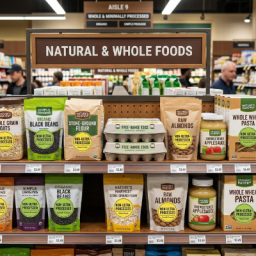
Heavy metals accounted for approximately 72% of November NOVs, with lead and cadmium repeatedly cited in tomato and creamy soups, coleslaw and veggie sides, anchovies, crab cakes, pasta, flax seed, and baby/toddler pouches. Multiple national soup brands and private-label items were flagged, showing that both branded manufacturers and contract/private-label partners are under similar scrutiny.
For food companies, this trend confirms that metal contamination in complex, multi-ingredient products—including canned, refrigerated, and frozen items—remains a primary Prop 65 enforcement vector.
2. Lead in Supplements and Sports Nutrition Products
A substantial tranche of notices targeted sports nutrition and supplement products for lead, including pre-workout powders, pump formulas, amino acid blends, creatine products, and concentrated greens formulations. Many of these products are marketed to athletes and fitness-conscious consumers and are sold through both independent shops and large national retailers.
These notices highlight the need for lot-specific heavy metal testing of powders and concentrates, especially those that contain botanical ingredients, minerals, or “superfood” blends that can carry higher metal loads.
3. Phthalates in Vinyl Accessories, Mats, and Fitness Gear
Phthalate notices—primarily DEHP and DINP, with some DBP—focused on vinyl-coated and PVC-containing consumer goods, including:
- Travel and cosmetic bags and pouches
- Vinyl check holders and storage cases
- PVC-coated wire ties and mats
- Steering wheel covers, fishing wallets, and sports gear (such as hitting sticks and grips)
These cases reinforce that soft and flexible plastic components—even when they are a small accessory or part on a larger product—can trigger Prop 65 phthalate claims if DEHP/DINP levels are elevated and warnings are absent.
4. PFAS in Textiles, Household Goods, and Packaging
November also saw ongoing attention to PFAS, including PFOA, PFOS, and PFNA and its salts, in:
- Water-resistant textiles – rain covers, travel seat bags, shower curtains, cushions, and blankets
- Cleaning textiles – dish cloths and specialized cleaning cloths
- Food and supplement products – anchovies, plant-based beverages, and liver or greens supplements where PFAS are alleged in the product or packaging
Because many PFAS chemicals lack Prop 65 safe harbor levels, any detectable level can pose compliance challenges in the absence of a warning. Companies relying on “performance coatings” or “stain- and water-resistant” finishes should assume PFAS testing will be a focus.
5. BPS in Thermal Receipts and POS Materials
Bisphenol S (BPS) remained a prominent target in November NOVs involving thermal receipt paper and point-of-sale receipts from a mix of national retailers, restaurants, gas stations, and specialty shops. Some notices also alleged BPA and BPS together in thermal paper.
Retailers and service businesses frequently underestimate Prop 65 exposure from receipts, labels, and other POS consumables that are sourced through printers or merchant processors. The data suggest that plaintiffs are continuing a receipt-focused enforcement campaign across diverse retail channels.
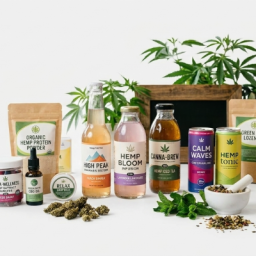
6. Cannabis Beverages and Pre-Rolls Cited for THC and Marijuana Smoke
A limited but significant group of notices alleged delta-9-THC and marijuana smoke in cannabis beverages and pre-rolled products, including flavored drinks and “baby blunt” offerings. These cases reinforce that Prop 65 applies to cannabis and hemp-derived products across routes of exposure—combustible, ingestible, and sometimes even topical.
Cannabis brands must align their labeling and online disclosures with Prop 65 warning requirements, particularly when marketing inhalable products or high-potency ingestibles.
Product Categories Most Frequently Targeted
Food & Beverage
- Tomato and creamy soups from national and private-label brands
- Veggie and grain blends, including coleslaw, veggie medleys, and ancient grain soups
- Seafood products such as anchovy fillets and shrimp-based items
- Snack and nutrition items including omega-3 bars, crystallized ginger, and vegetable protein products
- Baby and toddler foods, including organic fruit-and-vegetable pouches
Supplements & Sports Nutrition
- High-stim and pump pre-workout powders
- Greens, liver, and “superfood” capsules and powders
- Creatine, amino acid, and electrolyte supplements
- Branded sports nutrition sold via specialty retailers and through major grocery chains
Beauty & Wellness
- Select cosmetics and personal care items, including blush and other color cosmetics
- Body-care products and “spa” style offerings tied to PFAS-containing packaging or formulations
- Tanning and wellness service providers named in BPS receipt cases
Household & Packaging / Textiles
- Shower curtains, rain covers, and travel seat bags alleged to contain PFAS
- Cushions, throws, and blankets with stain- or water-resistant components
- Dish cloths, cleaning cloths, and anti-microbial mats
- Ceramic mugs, plates, and other dinnerware where lead is alleged in glazes or decorations
Retail Receipts & POS Materials
- Thermal receipts from apparel retailers, gas stations, coffee chains, pet-supply stores, and restaurants
- Generic thermal receipt paper rolls supplied to multi-location retailers
- Notices often name both the retailer and upstream receipt paper suppliers where identifiable
Bags, Cases & PVC/Vinyl Products
- Cosmetic and travel bags, including multi-piece bath or travel sets
- Vinyl wallets, check holders, and storage cases
- PVC-coated wire ties, vinyl covers, speed ropes, and mats
- Fitness and outdoor gear with vinyl grips or handles
Cannabis & CBD Products
- Cannabis beverages (e.g., flavored THC drinks)
- Packaged pre-rolls and “baby blunt” products
- Brand owners and dispensaries alike cited for THC and marijuana smoke without adequate warnings
Top Companies Cited – November 2025
A. Top Chemicals by Notices
| Chemical Group | Notices of Violation |
|---|---|
| Heavy metals (lead, cadmium, chromium, Hg) | 227 |
| Phthalates (DEHP, DINP, DBP) | 41 |
| PFAS (PFOA, PFOS, PFNA) | 24 |
| Bisphenols (BPA, BPS) | 19 |
| THC & marijuana smoke | 4 |
| Diethanolamine | 3 |

This distribution visually reinforces that heavy metals and phthalates remain core enforcement priorities, with PFAS and bisphenols forming a fast-growing second tier of risk.
B. Top Noticing Parties – november 2025
Our November data show a concentration of NOVs against large national and regional retailers, grocery chains, and specialty stores.
| Rank | Noticing Party | Notices Filed |
| 1 | Environmental Health Advocates, Inc. | 61 |
| 2 | Calsafe Research Center, Inc. | 59 |
| 3 | Clean Product Advocates, LLC | 34 |
| 4 | Precila Balabbo | 24 |
| 5 | Ecological Alliance, LLC | 22 |
| 6 | Ema Bell | 22 |
| 7 | Keep America Safe and Beautiful | 15 |
| 8 | Gabriel Espinoza | 9 |
| 9 | Environmental Research Center, Inc. | 8 |
| 10 | Consumer Protection Group, LLC | 8 |

C. Top 10 Companies (By Number of Notices in Which They Are Named)
| Rank | Company | Notices Referencing Company |
|---|---|---|
| 1 | Amazon (including Amazon.com Services) | 24 |
| 2 | The TJX Companies (TJ Maxx / Marshalls / HomeGoods) | 20 |
| 3 | The Kroger Company / Ralphs | 19 |
| 4 | Walmart Inc. | 15 |
| 5 | Erewhon / Nowhere family entities | 14 |
| 6 | Sprouts Farmers Market | 11 |
| 7 | Smart & Final | 7 |
| 8 | Ace Hardware Corporation | 7 |
| 9 | Ross Stores, Inc. | 7 |
| 10 | HomeGoods | 7 |
Counts are based on November notices where each company name (or defined corporate family) appears as an alleged violator; individual notices may name multiple entities.

What Risks Do Licensors Face When Licensees Trigger Prop 65 Violations?
Licensors—brand owners who license their trademarks or other IP to third parties—continue to face direct Prop 65 exposure even when they do not manufacture, import, or distribute the product. If your brand, logo, or house label appears on product packaging, plaintiffs can (and often do) name you as a defendant alongside the licensee or contract manufacturer.
Key risks for licensors include:
- Being drawn into enforcement actions and settlements for products you do not control day-to-day
- Reputational harm when a licensee’s non-compliant products carry your brand into a public Prop 65 dispute
- Exposure to indemnity disputes if license agreements lack clear allocation of Prop 65 obligations
Licensor best practices:
- Prop 65 warranties and representations
- Require licensees to warrant compliance with Prop 65 warnings, testing, and reformulation obligations.
- Mandatory third-party testing
- Build in testing protocols for high-risk categories (food, supplements, cosmetics, children’s products, vinyl goods, PFAS-sensitive items).
- Indemnity and insurance provisions
- Require robust defense and indemnity clauses and proof of insurance that expressly covers Prop 65 claims.
- Ongoing monitoring and audit rights
- Reserve the right to audit formulations, testing data, warning labels, and online listings for California sales.
How Can My Company Avoid a Prop 65 Lawsuit? (Five-Step Checklist)
1. Perform Ingredient, Finished Product, and Packaging Testing
- Use reputable third-party labs to test finished goods, raw materials, and packaging for key chemicals (heavy metals, phthalates, PFAS, acrylamide, etc.).
- Repeat testing after changes to suppliers, formulas, packaging materials, or manufacturing locations.
2. Evaluate and Update Warning Labels
- Confirm whether your products require Prop 65 warnings based on exposure levels and chemical types.
- Where warnings are needed, ensure they track safe-harbor language, identify the relevant chemical(s), and appear conspicuously on both physical packaging and online product pages.
3. Strengthen Supplier and Co-Packer Agreements
- Incorporate chemical-compliance warranties, audit rights, and indemnification provisions into every vendor, co-packer, and private-label contract.
- Require suppliers to notify you promptly of formulation or material changes that might affect Prop 65 status.
4. Monitor New Notices and Industry Trends
- Track monthly enforcement data—by chemical, product type, and retail channel—to identify categories at elevated risk.
- If competitors in your space are being targeted, assume your products may be next in line and proactively test and relabel as needed.
5. Engage Experienced Prop 65 Counsel Early
- If you receive a 60-day notice, contact counsel immediately. An experienced Prop 65 team can:
- Evaluate exposure and warning issues
- Coordinate defensible testing strategies
- Negotiate settlements or consent judgments
- Defend enforcement actions in state or federal court
About Juris Law Group
Juris Law Group is a Prop 65-focused law firm representing food, beverage, supplement, cosmetic, cannabis, and consumer product brands across the country. We serve as outside general counsel to national and global CPG companies and routinely defend them against Proposition 65, false advertising, and product-labeling claims.
Our services include:
- Designing and implementing proactive Prop 65 compliance programs and audits
- Developing customized warning label and online disclosure strategies
- Conducting supply-chain and contract reviews to prioritize indemnity and risk transfer
- Providing rapid response and defense to 60-day notices and related litigation
Frequently Asked Questions (FAQ)
Do Prop 65 requirements apply if I only sell online?
Yes. Prop 65 applies to any product sold or shipped into California, regardless of whether sales occur in-store or through online platforms. Online listings must display compliant warnings before checkout for California consumers, and marketplaces often shift compliance responsibility to individual sellers.
Can a product be cited even if it contains only trace amounts of a listed chemical?
Yes. Many NOVs involve trace levels of chemicals such as lead, cadmium, and phthalates. The key issues are whether exposure exceeds the relevant thresholds (if any exist) and whether a clear and reasonable warning is provided. In practice, plaintiffs often bring claims where any detectable level is present and no warning is used.
How does Prop 65 apply to imported and private-label products?
Distributors, importers, private-label brand owners, and retailers can all be named as defendants—even if they did not manufacture the product. If your name appears on the product, or you are responsible for bringing it into California, you are generally expected to ensure Prop 65 compliance (testing, warnings, and contract protections).
What are plaintiffs focusing on most right now?
Recent months—including November—show sustained targeting of:
- Heavy metals in soups, seafood, grains, and supplements
- Phthalates in vinyl accessories, PVC-coated hardware, and packaging
- PFAS in textiles, waterproof goods, and certain foods and supplements
- BPS and BPA in receipts, thermal paper, and canned goods
- THC and marijuana smoke in cannabis products
Categories without clear safe harbor levels (e.g., many PFAS and BPS) are particularly vulnerable.
Are cannabis and CBD brands at elevated Prop 65 risk?
Yes. Delta-9-THC and marijuana smoke are both listed chemicals, and plaintiffs have increasingly targeted cannabis beverages, pre-rolls, vapes, and edibles. Even when products are sold in licensed dispensaries, Prop 65 warning requirements still apply, and NOVs can name brand owners, distributors, and retailers.
Want to Protect Your Brand from a Prop 65 Lawsuit?
To speak with a regulatory attorney or schedule a Prop 65 compliance review, contact Juris Law Group at:
📧 [email protected]