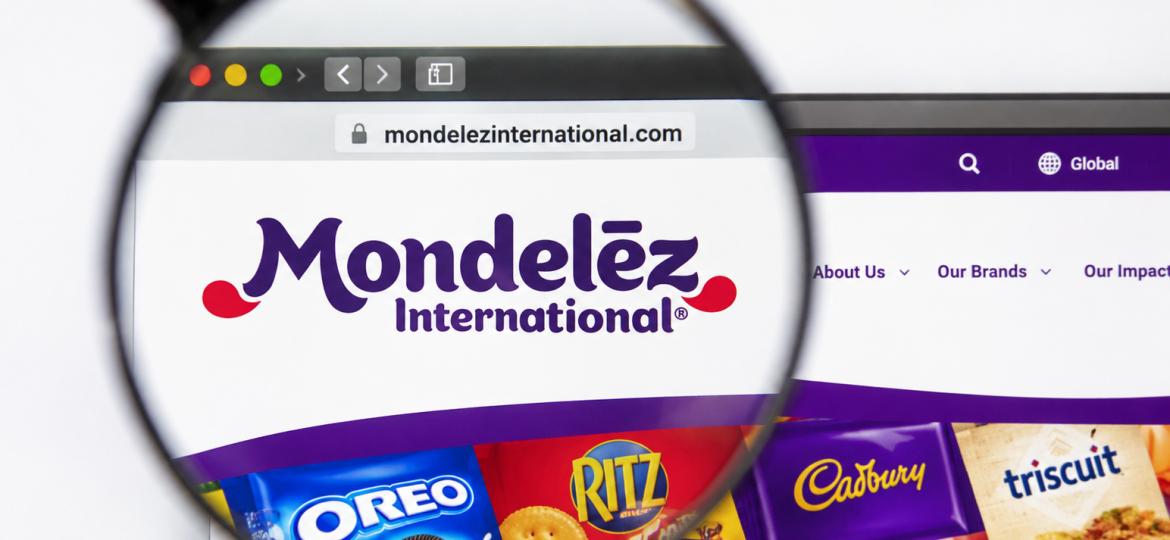
Mondelēz International, the company behind Oreo, Ritz, and Cadbury, has agreed to acquire a majority stake in Undercover Snacks, a growing U.S. brand known for its chocolate-covered quinoa crisps. The acquisition, announced in late October 2026, will expand Mondelēz’s presence in the better-for-you snack category.
Unlike a full takeover, the deal will allow Undercover to retain its existing leadership and operate as a standalone business within Mondelēz’s North America Ventures division. Founders Diana and Michael Levy will also retain a substantial minority ownership interest. The transaction is expected to close in the first quarter of 2027, subject to customary closing conditions, including regulatory approval. Financial terms have not been disclosed.
For Undercover, the agreement offers access to the resources and distribution network of one of the world’s largest snack companies. It also brings questions about how existing brand partnerships, licensing arrangements, and commercial contracts will operate under new majority ownership. Those questions are particularly relevant to food and beverage businesses considering similar acquisitions or strategic investments.
Undercover Snacks Built Its Brand Through Retail and Airline Partnerships
Founded in 2016, Undercover Snacks developed its business around chocolate-covered quinoa crisps marketed as gluten-free snacks made with simple ingredients. The company has since expanded into more than 25,000 retail locations and developed its own quinoa-processing and manufacturing capabilities.
One of its most notable commercial relationships is with United Airlines. Since 2023, Undercover has supplied more than 175 million snacks to the airline, giving the brand access to millions of travelers beyond traditional grocery stores. The relationship illustrates how distribution partnerships can help a smaller food company establish national recognition before attracting a major investor.
Mondelēz now has an opportunity to expand that reach through its existing retail relationships, international presence, and manufacturing resources. However, Undercover’s current agreements may influence how quickly the company can enter new markets, introduce products, or change distribution arrangements.
Existing contracts may include exclusivity provisions, restrictions on distribution channels, minimum purchase commitments, or requirements for approval before certain business changes. Whether any of these provisions apply to Undercover’s current partnerships is not publicly known.
For acquiring companies, reviewing these agreements before closing is an important part of understanding the commercial value of the business. A distribution relationship that contributes substantially to a brand’s revenue may also limit certain expansion opportunities.
Could the Mondelēz Acquisition Affect Undercover’s Existing Agreements?
A majority acquisition does not automatically terminate a company’s licensing, supply, or distribution agreements. In many transactions, the acquired company remains the same legal entity and continues performing its contractual obligations, even though its ownership has changed.
The outcome depends on the transaction structure and the language of each agreement. Some contracts contain change-of-control provisions, which may require notification or consent when another company acquires a controlling ownership interest. Others contain assignment restrictions that become relevant when contractual rights are transferred to another entity.
These distinctions matter in the Mondelēz transaction because Undercover is expected to continue operating independently within the larger corporate group. If its existing legal entities remain parties to their contracts, an ownership change may not constitute an assignment. A separately drafted change-of-control clause, however, could still apply.
Commercial partners may also have negotiated restrictions intended to protect their competitive position. For example, an exclusive distribution agreement could prevent a snack brand from supplying competing retailers or entering particular sales channels without permission.
There is no public indication that Undercover’s United Airlines arrangement or other commercial relationships will be disrupted. Nevertheless, the transaction demonstrates why buyers must evaluate contractual commitments alongside revenue, brand recognition, and growth potential.
These considerations are especially relevant to companies involved in food and beverage brand licensing, where distribution rights, product specifications, intellectual property permissions, and commercial obligations frequently overlap.
Who Controls the Undercover Snacks Brand After the Acquisition?
Undercover’s founders will remain involved in the business after Mondelēz acquires majority ownership. Diana Levy will continue as CEO, while Michael Levy will serve as President and Chief Operating Officer. Both will retain board positions and a minority ownership stake.
This structure allows Mondelēz to invest in an established brand while preserving the leadership responsible for its development. However, continued founder involvement does not necessarily mean the founders will retain final authority over every commercial or branding decision.
The governing agreements will determine how decisions are divided between Mondelēz and Undercover’s management. These may include approval rights over new product categories, trademark licensing, manufacturing changes, major distribution agreements, and international expansion.
Trademark ownership is another consideration. Undercover’s name, packaging, and product identity are valuable assets that distinguish it from competing snack brands. The parties must establish which entities own those rights, who may authorize their use, and how the brand will be protected as it expands.
For example, Mondelēz may eventually seek to introduce Undercover products into international markets or develop additional products under the same name. Those activities could require new trademark filings, manufacturing arrangements, or agreements authorizing affiliated companies to use the brand.
Where trademark rights are licensed between related companies, the trademark owner must maintain appropriate control over the quality of goods sold under the mark. Poorly structured licensing arrangements can create disputes over brand standards and, in some circumstances, weaken trademark rights.
When multiple businesses are involved in producing, marketing, or distributing branded products, well-structured food and beverage licensing agreements help establish who controls the intellectual property, how the brand may be used, and what responsibilities each party assumes.
The Juris Law Group, P.C. Perspective on Licensing and Brand Protection
The Mondelēz–Undercover transaction illustrates how an acquisition can affect commercial relationships even when the acquired brand continues operating independently. For companies with established retail partnerships, proprietary manufacturing methods, and recognizable trademarks, the value of an acquisition depends partly on preserving the agreements and rights that support those assets.
At Juris Law Group, P.C., our attorneys advise businesses on licensing and brand protection, including trademark ownership, commercial licensing arrangements, and the contractual use of intellectual property. In transactions involving established consumer brands, these matters often require coordination with corporate governance, distribution, and manufacturing arrangements.
A particular concern is whether existing contracts allow a brand to pursue the growth opportunities anticipated by its new majority owner. An agreement negotiated when a company was operating independently may contain restrictions that become more consequential after an acquisition.
For food and beverage companies, reviewing these provisions early can help identify consent requirements, preserve valuable commercial relationships, and reduce the risk of disputes after closing.
What the Mondelēz Deal Could Mean for Other Food Brands
Over the next 12 months, the immediate priority for Mondelēz and Undercover will be completing the transaction and determining how the smaller company’s operations fit within the larger organization. Existing partnerships, manufacturing arrangements, and trademark rights will remain important as the business prepares for expansion. Although Mondelēz has not publicly announced specific changes to Undercover’s commercial agreements, its ownership position could create opportunities for additional products, distribution channels, and international markets.
For other food and beverage brands, the transaction offers a practical example of why commercial agreements deserve attention well before acquisition discussions begin. A strong brand may attract investment because of its distribution relationships, manufacturing capabilities, and customer loyalty, but contractual restrictions can affect how a buyer uses those assets. Companies that maintain clear licensing terms, well-documented intellectual property ownership, and carefully negotiated distribution rights may be better positioned to pursue strategic partnerships without unnecessary contractual complications.
Common Legal Inquiries
Does an acquisition automatically terminate a brand’s existing licensing agreements?
No. An acquisition generally does not automatically terminate existing agreements. The outcome depends on the transaction structure and contractual terms. Change-of-control provisions, assignment restrictions, or consent requirements may become relevant when ownership changes. Each agreement must be reviewed to determine whether the transaction triggers additional obligations.
Can a company acquire majority ownership of a brand without changing its management?
Yes. A majority investor can retain the existing management team and allow the acquired business to operate independently. However, shareholder and governance agreements determine which decisions require investor approval, including matters involving intellectual property, major contracts, financing, and business expansion.
Who owns a brand’s trademarks after a majority acquisition?
A majority acquisition does not necessarily transfer trademark ownership to the buyer. Trademarks may remain registered to the acquired company, depending on the transaction structure. Ownership records, licensing agreements, and corporate governance documents determine who holds the rights and who can authorize use of the brand.