Summary
Mammoth Distilling asserted its trademark rights against Vosa Spirits, a beverage startup backed by Kate Upton and Justin Verlander, prompting Vosa to abandon a planned spirits line before launch. The dispute involved overlapping branding, early trademark filings, and business pressures within the ready to drink alcohol market. Although no lawsuit was filed, the strength of Mammoth’s registrations and its enforcement history were enough to end the rollout.
What set off the conflict between Mammoth Distilling and Vosa Spirits?
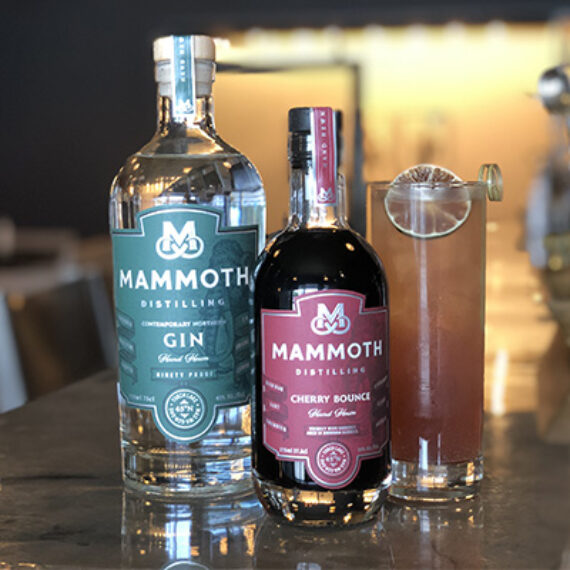
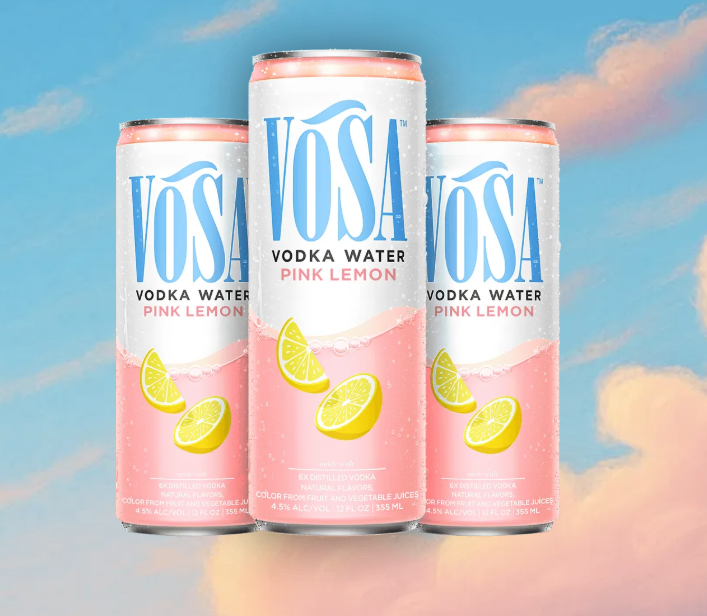
The issue began when Mammoth Distilling learned that Vosa Spirits intended to introduce a spirits line with branding that looked close to Mammoth’s established identity. Vosa, supported by Kate Upton and Justin Verlander, was preparing a national push into spirits after building visibility in the ready to drink space.
Early materials suggested similarities in the name and presentation that raised concerns under the likelihood of confusion standard. Mammoth responded with a cease and desist, noting prior rights supported by multiple federal trademark registrations. Facing a challenge at the USPTO or in federal court, Vosa withdrew the brand before releasing it.
Why did Mammoth’s trademark portfolio give it such a strong position?
Mammoth’s advantage came from early and wide ranging filings. The company holds registrations for:
- distilled spirits in Class 33
- nonalcoholic beverages in Class 32
- branded merchandise in Classes 21 and 25
The scope of these registrations left little room for Vosa to claim that its planned product was outside Mammoth’s protected area. Mammoth has also built a record of active enforcement, filing oppositions and taking action when other brands move too close. That history signaled that the company was prepared to defend its rights and added weight to its claims.
These details have been missing from many news summaries but are central to understanding why the dispute ended early.
Were there pressures on Vosa that made a legal fight unlikely?
Yes. Vosa Spirits had been navigating challenges unrelated to the trademark issue. Industry sources reported:
- delays in expansion plans
- strained distribution relationships
- slower investment activity throughout 2023 and 2024
A contested rebrand, new packaging, revised distribution agreements, and fresh TTB label approvals would have added significant cost. For a young beverage company already dealing with operational hurdles, the dispute with Mammoth came at a difficult time. Abandoning the brand avoided risks that could have multiplied once the product entered the market.
Did the involvement of a public figure influence the outcome?
The legal test for trademark infringement does not change when celebrities are involved.
However, public exposure affects practical risk. If Vosa had launched with Kate Upton in promotional campaigns, the visibility could have increased potential confusion and potential damages. That possibility often leads companies to resolve disputes before they escalate into litigation.
In this case, the prospect of a high profile rollout likely encouraged Vosa to end the project rather than defend the contested branding.
How did Vosa’s planned marketing approach affect the analysis?
Materials referenced during the dispute showed that Vosa intended to enter areas where Mammoth already had a strong presence. These included:
- the canned cocktails market
- outdoor focused branding
- northern regions where Mammoth has an established consumer base
Trademark cases consider context. When two brands share similar themes, audiences, and distribution channels, confusion becomes more likely. Although some details remained internal, the overlap was enough to support Mammoth’s concerns.
Why are naming conflicts so common in the alcohol and ready to drink sectors?
This part of the beverage industry has expanded quickly, and many brands rely on familiar themes such as animals, landscapes, and heritage references. Because the pool of distinctive names is limited, companies often arrive at similar ideas without realizing how crowded the space has become.
Launch cycles move quickly, and naming decisions are sometimes made before a full trademark clearance review. This has led to disputes involving both new entrants and well known brands, as seen in matters involving Stone Brewing, 818 Tequila, and others.
The Mammoth and Vosa dispute fits into this broader trend, where the party with earlier and stronger filings often prevails regardless of size or celebrity support.
Why did Vosa withdraw before any lawsuit was filed?
The risks were significant. Moving forward would have required Vosa to prepare for injunctions, redesign packaging, renegotiate distribution plans, and restart the TTB label approval process if a name change became necessary. These costs, when combined with Mammoth’s senior rights, made litigation an uncertain and expensive path.
By stepping back early, Vosa avoided losing additional time and investment on a launch that might not have survived a formal challenge.
What should beverage companies take from this dispute?
Two points matter for companies preparing new product lines:
- Trademark clearance must come early.
Problems discovered after packaging orders, distributor commitments, or marketing campaigns create avoidable costs.
- Consistent enforcement builds credibility.
Mammoth’s willingness to challenge similar marks in the past made its position more persuasive and influenced the outcome long before litigation.
Juris Law Group advises distilleries, beverage manufacturers, and consumer product companies on trademark clearance, enforcement, and brand strategy. Early guidance helps avoid conflicts that can stall or end new product launches.
FAQs
Does a celebrity backed brand face higher risk in trademark disputes?
Not under the legal standard, but greater visibility can magnify the impact of consumer confusion and increase potential remedies.
Could Vosa have shifted to a new name instead of ending the line?
A rebrand was possible, but it may not have solved the overlap concerns or justified the investment given the company’s other operational pressures.
How does TTB label approval factor into these situations?
If a company must change its name, any approved labels become unusable. This can delay a launch for months and increase production costs.
Are naming conflicts common in ready to drink beverages?
Yes. Rapid development cycles and crowded subcategories often lead to similar naming choices.
Would going to court have changed the result?
It is unlikely. Mammoth’s earlier filings and enforcement history gave it a strong foundation.
How Juris Law Group Assists in Trademark and Beverage Industry Disputes
Juris Law Group advises distilleries, beverage companies, and consumer product brands on trademark clearance, enforcement strategy, and dispute resolution. Our team has significant experience guiding clients through naming conflicts, USPTO proceedings, and regulatory issues involving alcohol labeling and market entry. Early legal guidance helps companies avoid costly rebranding decisions and protect long term brand value.
Key Takeaway
Mammoth Distilling’s early trademark filings and consistent enforcement approach gave it leverage that outweighed the celebrity backing behind Vosa Spirits. Clear rights and a well maintained portfolio can stop a competing launch before it reaches the market. For any beverage company preparing a new entry, thorough clearance and a realistic understanding of naming risks remain essential tools for protecting brand value.