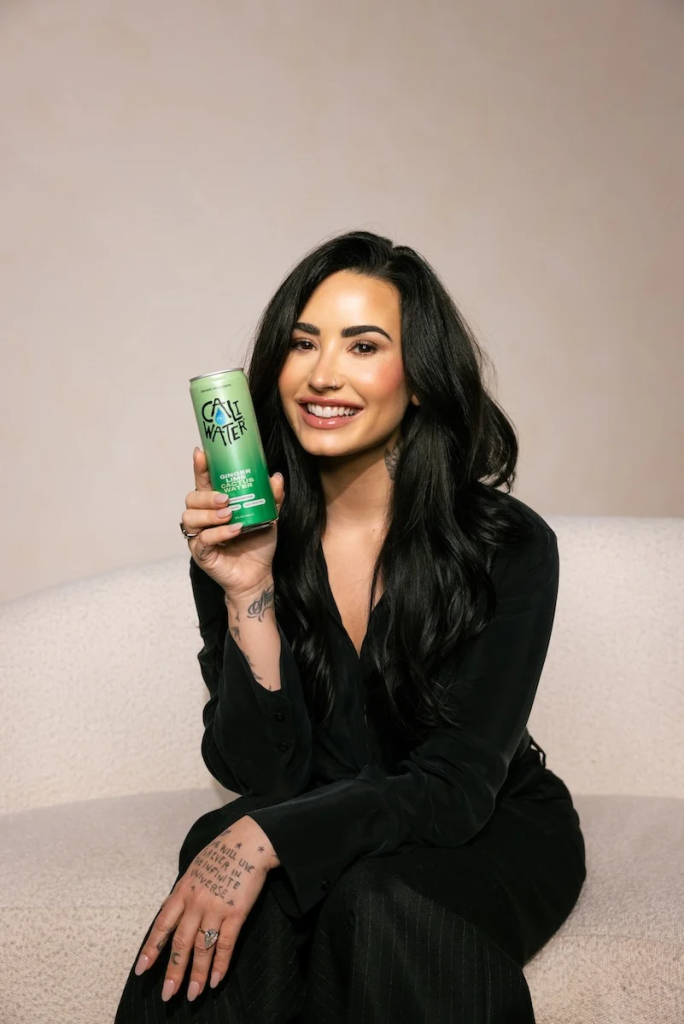
Cactus water is quickly entering the functional beverage conversation, and Caliwater — backed by celebrities including Demi Lovato and Vanessa Hudgens — is helping drive the trend. Marketed as a plant-based hydration drink made from prickly pear cactus, the product is promoted for its antioxidants, electrolytes, and lower sugar content compared to many sports drinks.
As cactus water gains visibility through celebrity promotion and wellness branding, it also highlights a growing legal issue in the beverage industry: how companies advertise health benefits in functional drinks. Claims about hydration, antioxidants, and recovery can trigger scrutiny under FDA labeling rules and FTC advertising standards if they are not properly supported.
What is Caliwater and why is cactus water gaining attention?
Short answer: Caliwater is a beverage made from prickly pear cactus fruit that is marketed as a low-calorie hydration drink with antioxidants and electrolytes. The product has gained attention partly because of celebrity investors and the broader demand for functional beverages.
Caliwater sources its key ingredient from the prickly pear cactus (Opuntia ficus-indica), a fruit traditionally consumed in Mexico and parts of the Mediterranean. The drink is typically marketed as:
- low in calories
- lower in sugar than coconut water
- containing naturally occurring antioxidants
- a plant-based hydration option
A typical serving contains around 20–25 calories and about 5 grams of sugar, depending on the flavor.
These characteristics allow brands to position cactus water as an alternative to:
- sports drinks
- coconut water
- flavored hydration beverages
The category is still emerging, but cactus water is increasingly appearing in health-focused grocery stores, wellness retailers, and online marketplaces.
Which celebrities are promoting Caliwater?
Short answer: Caliwater has attracted a notable group of celebrity investors and ambassadors, which has helped accelerate awareness of cactus water in the functional beverage market.
Celebrities connected to the brand include:
- Demi Lovato
- Vanessa Hudgens
- Gerard Butler
- Glen Powell
- Benson Boone
- MLB player Cody Bellinger
Some celebrities serve as brand ambassadors, while others have invested directly in the company.
Celebrity involvement can dramatically expand marketing reach. Social media posts, interviews, and promotional campaigns expose products to millions of followers, often positioning the beverage as part of a broader wellness lifestyle.
However, when celebrities promote products they own or are paid to endorse, U.S. advertising law requires those relationships to be clearly disclosed.
The Federal Trade Commission (FTC) Endorsement Guides require influencers and public figures to disclose material connections to brands, including investments, partnerships, or sponsorships.
Why are functional drinks focusing on antioxidants and hydration claims?
Short answer: Functional beverages often highlight nutrients or plant compounds that support normal body functions, such as antioxidants or electrolytes. These claims help differentiate products in a crowded beverage market.
Cactus water brands commonly highlight compounds found in prickly pear fruit, including:
- betalains (antioxidant pigments)
- vitamin C
- magnesium and potassium
These nutrients exist naturally in prickly pear cactus fruit and have been studied for their antioxidant and anti-inflammatory properties.
Scientific literature on prickly pear suggests potential health benefits, including reduced oxidative stress and improved metabolic markers in certain studies. However, many of these studies examine concentrated extracts rather than diluted beverages, meaning the actual effect of ready-to-drink cactus water products may vary.
For beverage companies, the key legal issue is not whether nutrients exist in the plant itself, but whether marketing claims accurately reflect the product’s formulation and available scientific evidence.
Sources:
- National Institutes of Health (NIH) research on Opuntia ficus-indica
- FDA Food Labeling Guide
- FTC Health Products Compliance Guidance
When do beverage health claims become a legal issue?
Short answer: Health-related claims become problematic when they exaggerate benefits, lack scientific support, or imply disease prevention.
In the United States, functional beverage marketing is governed by two primary regulators:
- FDA (Food and Drug Administration) – regulates product labeling
- FTC (Federal Trade Commission) – regulates advertising claims
Companies can make several types of claims, but each carries different requirements.
Structure/function claims
These describe how nutrients affect normal bodily functions.
Examples include:
- “contains antioxidants”
- “supports hydration”
These statements must be truthful and supported by evidence but are generally allowed.
Nutrient content claims
These describe the amount of a nutrient.
Examples include:
- “low sugar”
- “good source of vitamin C”
The FDA defines precise thresholds for these claims.
Disease claims
Statements implying that a beverage treats or prevents disease may trigger drug or supplement regulations.
Examples of problematic claims include:
- “prevents dehydration illness”
- “reduces chronic inflammation”
These claims can lead to enforcement actions if they are not authorized by regulators.
How celebrity advertising changes the legal landscape
Short answer: Celebrity endorsements increase marketing reach but also increase scrutiny from regulators and consumers.
When celebrities promote products through social media or public appearances, several legal issues may arise:
Influencer disclosure requirements
The FTC requires clear disclosure of financial relationships. Acceptable disclosures include:
- “Ad”
- “Paid partnership”
- “Investor in this brand”
Hidden or unclear disclosures can be considered deceptive advertising.
Advertising substantiation
Even when a celebrity makes the statement, the company remains responsible for the accuracy of the claims.
If a celebrity post promotes hydration benefits or wellness claims that are not supported by evidence, the brand may still face enforcement.
Consumer protection lawsuits
Beyond regulators, companies may also face class action litigation from consumers alleging misleading health claims.
Functional beverages, supplements, and wellness products are frequent targets of such lawsuits.
Why regulators are watching the functional beverage market closely
Short answer: Rapid growth in the wellness drink sector has increased the likelihood of exaggerated marketing claims.
Functional beverages now include a wide range of categories:
- electrolyte drinks
- plant-based hydration beverages
- adaptogenic drinks
- collagen beverages
- probiotic drinks
Industry analysts expect continued expansion in the hydration beverage market over the next decade, with brands competing to position new ingredients as the next major wellness trend.
As new products enter the market, regulators often monitor whether marketing claims accurately reflect the underlying science.
Cactus water, like coconut water before it, is part of this broader shift toward plant-based hydration drinks promoted for lifestyle and wellness benefits.
How Juris Law Group advises companies in the functional beverage industry
Functional beverages combine elements of food regulation, advertising law, and consumer protection, creating complex compliance challenges for manufacturers and marketers.
Juris Law Group advises companies across the food and beverage industry on issues including:
- FDA food labeling compliance
- advertising claim substantiation
- influencer and celebrity endorsement rules
- regulatory risk management
- consumer protection litigation
Our attorneys work with emerging brands, manufacturers, and retailers to identify marketing and labeling risks early, helping businesses navigate evolving regulatory expectations in the wellness beverage market.
FAQs
What is cactus water and how is it marketed?
Cactus water is a beverage made from prickly pear cactus fruit. Brands often market it as a low-calorie hydration drink containing antioxidants and electrolytes.
Which celebrities are involved with Caliwater?
Celebrities connected to Caliwater include Demi Lovato, Vanessa Hudgens, Gerard Butler, Glen Powell, Benson Boone, and MLB player Cody Bellinger.
Are health claims allowed for functional beverages?
Yes, but they must be truthful and supported by evidence. The FDA regulates labeling, while the FTC regulates advertising claims.
Do celebrities have to disclose partnerships when promoting drinks?
Yes. The FTC requires influencers and celebrities to disclose financial relationships such as investments, sponsorships, or paid endorsements.
Can companies be sued for misleading beverage health claims?
Yes. Companies may face regulatory action or consumer lawsuits if health-related marketing claims are misleading or not supported by evidence.