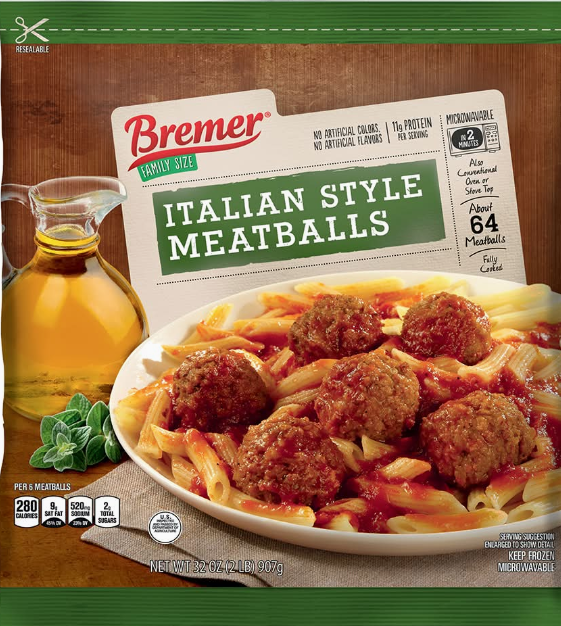
When foreign materials like metal fragments are discovered in ready-to-eat meat products, regulatory action and legal exposure follow quickly. The recent recall of ALDI’s Bremer Italian Style Meatballs underscores how a contamination issue can escalate into serious compliance challenges, liability risks, and brand damage.
What Happened in the ALDI Meatball Recall?
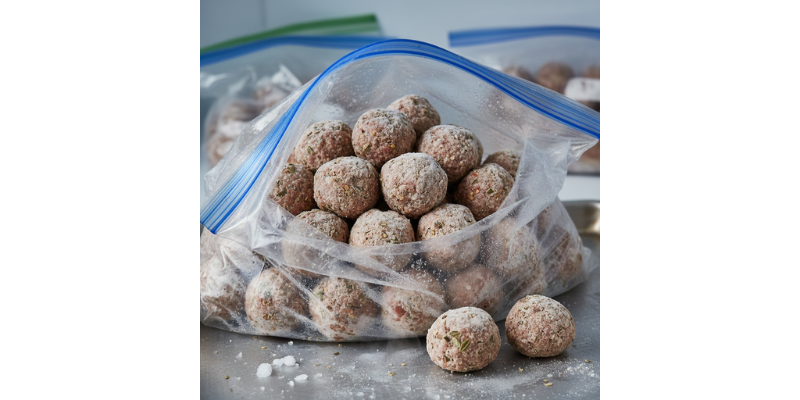
ALDI issued a nationwide recall of Bremer Family Size Italian Style Meatballs (32 oz.) after reports of metal fragments in the product. The meatballs were manufactured by Rosina Food Products, Inc. and distributed to ALDI stores across the United States.
The recall reportedly involves approximately 9,462 pounds of product bearing a specific “Best By” date (October 30, 2026) and certain production codes.
The issue was identified following a consumer complaint. As of reporting, no injuries have been confirmed.
Because this is a meat product regulated by the USDA Food Safety and Inspection Service (FSIS) — not the FDA — the recall falls under the Federal Meat Inspection Act (21 U.S.C. § 601 et seq.) and is overseen by FSIS.
Why Are Metal Fragments a Serious Legal Issue?
Metal contamination is considered a “physical hazard” under federal food safety law.
Even small fragments can cause:
- Lacerations of the mouth or throat
- Choking hazards
- Internal gastrointestinal injury
- Dental damage
Under FSIS guidelines, foreign material contamination may result in a Class I recall if there is a reasonable probability that consuming the product will cause serious adverse health consequences.
From a legal standpoint, this creates potential exposure for:
- Strict product liability claims
- Negligence claims
- Breach of warranty claims
- Retailer indemnification disputes
- Insurance coverage disputes
Many news articles focus on consumer refunds. What they often overlook is the commercial litigation risk chain that follows a foreign material recall.
How Does the USDA Recall Process Work?
Unlike FDA-regulated foods, FSIS-regulated meat recalls operate under a distinct framework.
Here’s how it typically unfolds:
1. Detection
A hazard is identified through:
- Consumer complaint
- Routine inspection
- Company internal testing
- Supplier notification
2. Hazard Evaluation
FSIS conducts a health hazard assessment to classify the recall (Class I, II, or III).
3. Recall Initiation
The manufacturer or distributor voluntarily initiates the recall. (FSIS does not “order” recalls in most cases but can detain or seize product.)
4. Public Notification
FSIS publishes a recall notice including:
- Product description
- Establishment number
- Lot codes
- Distribution scope
5. Recall Effectiveness Checks
FSIS verifies that the recalling firm properly notified consignees and removed affected product from commerce.
What’s often missed in media coverage: Retailers also have independent responsibilities once notified, including removal, documentation, and consumer communication.
What Causes Metal Contamination in Meat Processing?
Most public reporting stops at “metal fragments were found.” But from a regulatory compliance perspective, the more important question is how it happened.
Common root causes include:
- Equipment wear (grinders, slicers, conveyors)
- Broken metal blades
- Loose fasteners
- Inadequate preventive maintenance
- Failed metal detection systems
- Supplier ingredient contamination
Under HACCP (Hazard Analysis and Critical Control Point) requirements mandated by FSIS (9 CFR Part 417), facilities must:
- Identify physical hazards
- Establish critical control points
- Maintain monitoring and verification procedures
- Keep corrective action records
If a foreign material recall occurs, regulators and plaintiffs’ attorneys will scrutinize whether the facility:
- Had functioning metal detection equipment
- Properly documented monitoring logs
- Conducted preventive maintenance
- Took corrective action promptly
That documentation becomes central in defending enforcement or civil claims.
What Liability Exposure Do Manufacturers and Retailers Face?
This is where ranking news articles are often incomplete.
Beyond the recall announcement, companies may face:
1. Civil Litigation
If injuries are later reported, plaintiffs may allege:
- Defective manufacturing
- Failure to warn
- Negligent quality control
Even without injury, class action filings sometimes follow alleging economic loss.
2. Contractual Disputes
Private-label arrangements (like ALDI’s Bremer brand) typically involve:
- Indemnification provisions
- Insurance requirements
- Recall cost allocation clauses
Disputes frequently arise over who pays for:
- Retrieval costs
- Disposal
- Lost inventory
- Public relations expenses
3. Regulatory Enforcement
If FSIS determines systemic noncompliance, the establishment could face:
- Suspension of inspection
- Notice of Intended Enforcement
- Civil penalties
- Criminal referral (in extreme cases)
4. Insurance Coverage Questions
Foreign material recalls often trigger disputes regarding:
- Product contamination coverage
- Recall endorsements
- “Occurrence” definitions
Early legal review of policy language is critical.
What Should Food Companies Do Immediately After a Recall?
If your company faces a similar situation, time matters.
Here are immediate legal and compliance steps:
- Preserve Evidence
Secure production records, maintenance logs, and metal detection calibration reports.
- Initiate Root Cause Investigation
Conduct a documented internal investigation — preferably under counsel oversight to preserve privilege where appropriate.
- Review Contracts
Analyze supplier and retailer agreements for indemnification and cost allocation.
- Notify Insurance Carriers Promptly
Late notice can jeopardize coverage.
- Audit HACCP Plan Effectiveness
Ensure corrective actions are documented and implemented.
- Prepare for Potential Claims
Develop a coordinated legal and communications strategy.
Why Do Private-Label Recalls Create Unique Risk?
ALDI’s recall involves a private-label brand.
In private-label relationships:
- The retailer’s brand is on the package.
- The manufacturer operates the facility.
- Liability may be shared or disputed.
Consumers typically sue both the brand owner and manufacturer. This makes contract drafting and recall planning essential long before an incident occurs.
Many businesses underestimate this exposure until after a recall is announced.
How Can Companies Reduce Foreign Material Risk?
Prevention is not just a quality issue — it’s a legal defense strategy.
Best practices include:
- Routine equipment maintenance logs
- Metal detection validation testing
- Supplier quality audits
- Foreign material prevention programs
- Employee training documentation
- Crisis response planning
FSIS expects robust preventive controls, and courts examine whether safety systems were reasonably designed and enforced.
How Juris Law Group Assists in Food Recall Matters
Juris Law Group provides strategic counsel to manufacturers, distributors, and retailers navigating the complexities of USDA and FDA compliance. We specialize in:
- Recall Management: Coordination of recall strategy and regulatory response.
- Risk Mitigation: HACCP audits, contract risk allocation, and insurance recovery.
- Defense: Product liability and regulatory enforcement representation.
Stay Informed: Use the Free Recall Tracker Tool on our website to monitor active industry alerts in real-time. Proactive legal guidance can be the difference between a manageable incident and a catastrophic financial loss.
Frequently Asked Questions (FAQ)
What is a Class I recall?
A Class I recall involves a reasonable probability that consuming the product will cause serious adverse health consequences or death.
Can a retailer be liable for a manufacturer’s defect?
Yes. Retailers can face strict liability claims even if they did not manufacture the product. Contractual indemnification may shift financial responsibility later.
What legal documents matter most in a recall?
HACCP plans, monitoring logs, corrective action records, supplier agreements, and insurance policies are typically central.
Do recalls automatically mean regulatory penalties?
No. Recalls are often voluntary. However, repeated or systemic failures may trigger enforcement actions.