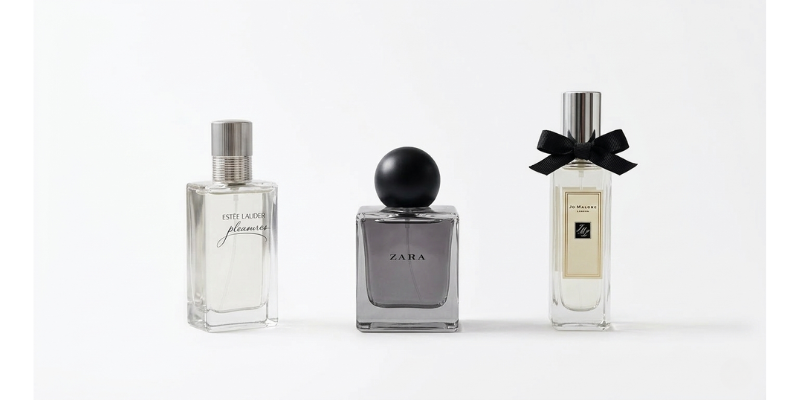
The case
Estée Lauder has filed a lawsuit in the United Kingdom against Zara and perfumer Jo Malone, alleging trademark infringement tied to fragrance products sold through Zara. The dispute centers on whether Jo Malone can reference her own name in marketing after selling the rights to it decades ago.
Beyond a celebrity brand dispute, the case highlights a recurring issue in intellectual property law: what happens when founders sell a brand built around their own name.
For consumer brands, the lawsuit illustrates the legal risks surrounding founder name trademarks, collaboration marketing, and attribution in product branding.
Why Did Estée Lauder Sue Zara and Jo Malone?
Short answer:
Estée Lauder claims that Zara fragrances marketed with references to “Jo Malone” violate trademark rights the company acquired when it purchased the Jo Malone brand in 1999.
The lawsuit, filed in the UK High Court, alleges:
- trademark infringement
- breach of contract
- passing off under UK law
According to the complaint, certain Zara fragrances developed with Jo Malone’s newer brand Jo Loves included wording such as:
“A creation by Jo Malone CBE, founder of Jo Loves.”
Estée Lauder argues that using the name Jo Malone in fragrance marketing could lead consumers to believe the products are connected to Jo Malone London, the luxury fragrance brand it owns.
Because Zara sold and marketed the fragrances, the lawsuit also names ITX UK Ltd., Zara’s UK subsidiary, as a defendant.
A central legal issue will be whether this wording creates a likelihood of consumer confusion, a key standard in trademark infringement claims.
What Rights Did Estée Lauder Acquire When It Bought the Jo Malone Brand?
Short answer:
When Estée Lauder purchased the Jo Malone brand in 1999, it obtained trademark rights to the name “Jo Malone” in fragrance, along with contractual limits on how the founder could use her name commercially.
The deal reportedly included:
- ownership of the Jo Malone trademark for fragrance products
- control over key elements of the brand identity and marketing
- a non-compete clause restricting Malone’s involvement in fragrance for several years
After the non-compete expired, Malone launched a new fragrance company in 2011 called Jo Loves.
Estée Lauder argues that although Malone could create a new brand, the sale agreement restricted how her personal name could be used in fragrance marketing. Agreements like this are common when founders sell brands closely tied to their identity.
Why Is Zara Included in the Trademark Lawsuit?
Short answer:
Estée Lauder claims Zara helped distribute and promote fragrances that allegedly infringed its trademark rights.
Zara has expanded its beauty and fragrance business, frequently collaborating with well-known perfumers. Jo Loves partnered with Zara to develop fragrance collections sold in stores and online.
Estée Lauder argues that referencing Jo Malone in product descriptions or packaging could suggest a connection to Jo Malone London, the brand it owns.
Retailers can face liability for trademark infringement in branding when they:
- sell products with infringing labels
- distribute goods that misuse protected trademarks
- promote products using marketing that suggests affiliation with another brand
For companies working with creators or designers, this means product packaging, advertising, and online listings should be reviewed carefully before launch.
What Is Passing Off Under UK Trademark Law?
Short answer:
Passing off is a UK legal claim that protects businesses when another party misrepresents goods as being associated with their brand.
To prove passing off, a claimant typically must show:
- Goodwill associated with a recognizable brand
- Misrepresentation that could confuse consumers
- Damage to the brand’s reputation or business
Estée Lauder argues that the Jo Malone London fragrance brand carries significant global goodwill. If consumers believe Zara fragrances are connected to that brand, the company claims it could dilute the brand’s reputation and market value.
Unlike traditional trademark claims, passing off often focuses heavily on how consumers interpret marketing language in real purchasing situations.
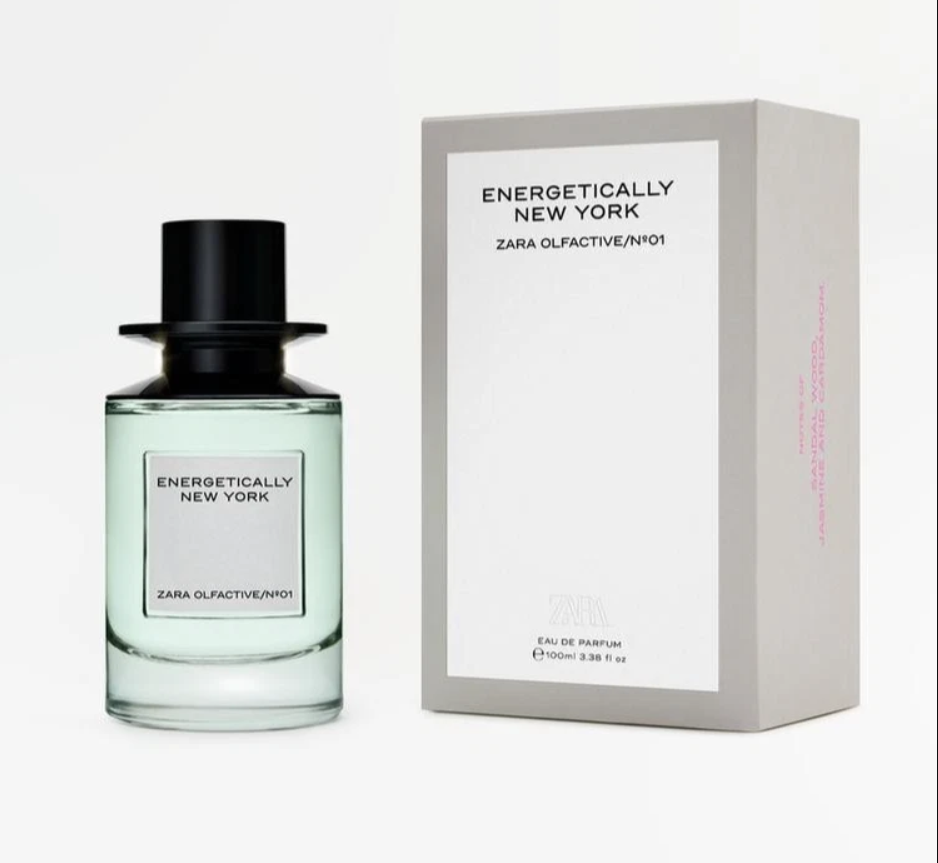
Jo Malone x Zara / image source
Can a Founder Use Their Own Name After Selling a Brand?
Short answer:
Sometimes—but only if the sale agreement allows it.
When founders sell brands built around their identity, they may transfer personal name trademark rights tied to that industry. Courts typically examine:
- the wording of the acquisition agreement
- the scope of trademark rights transferred
- whether the new use creates consumer confusion
Similar disputes have occurred in fashion and beauty. Designer Joseph Abboud fought a long legal battle over using his own name after selling his brand, while cosmetics founder Bobbi Brown later launched a new beauty company under a different name after selling her original brand.
The Jo Malone case highlights a key legal tension: although people can generally identify themselves by name, commercial use of that name in branding may be restricted when trademark rights are sold.
how Fragrance Marketing Creates Trademark Risks
Fragrance marketing often relies heavily on the identity of perfumers, designers, or celebrities.
Perfume branding frequently emphasizes who created the scent, which can increase the value of personal names in marketing. That creates legal risk when a founder who sold a brand later launches a new product or collaboration.
Even simple phrases like:
- “created by”
- “from the founder of”
- “designed by”
can trigger disputes involving founder name trademark rights.
Companies sometimes attempt to rely on nominative fair use, which allows limited reference to a trademark when necessary to identify a person or product. However, courts may reject that defense when the reference appears in promotional branding that implies affiliation with the trademark owner.
What Will the Court Likely Examine in the Case?
Short answer:
The court will likely focus on the wording of the original brand sale agreement and how consumers interpret the fragrance marketing.
Key questions may include:
- Did Jo Malone agree not to use her name in competing fragrance branding?
- Does the phrase “created by Jo Malone” imply affiliation with Jo Malone London?
- Would an average consumer believe the Zara fragrances are connected to the Estée Lauder brand?
Courts evaluating trademark disputes typically examine the similarity of the names used, the marketing context, and how consumers encounter the products both online and in stores.
Possible outcomes could include changes to Zara’s product marketing, restrictions on how Jo Malone’s name is used in fragrance branding, or financial damages if infringement is proven.
What Brands Should Take Away From the Estée Lauder–Zara Dispute
Companies collaborating with founders, designers, or celebrity creators should carefully review trademark ownership and name-use restrictions before launching products.
This case highlights several risks businesses often overlook:
- founder name trademarks that remain enforceable decades after a brand sale
- marketing language that unintentionally suggests brand affiliation
- inconsistent branding between packaging and online product listings
- collaboration agreements that fail to address trademark ownership
Early legal review of branding and marketing materials can help businesses avoid disputes like the one now unfolding between Estée Lauder, Zara, and Jo Malone.
FAQ
Can a personal name be trademarked?
Yes. A personal name can function as a trademark when it identifies the source of goods or services. Many brands—including fashion, cosmetics, and fragrance companies—register personal names as trademarks once they gain commercial recognition.
What happens when a founder sells the trademark rights to their name?
When a founder sells a brand tied to their name, the agreement may transfer trademark ownership to the buyer and restrict how the founder can use that name commercially. The exact limits depend on the terms of the sale agreement and the scope of the trademark rights transferred.
Can retailers be liable for trademark infringement?
Yes. Retailers may face liability if they sell, distribute, or market products that use protected trademarks in a misleading way. Even when a retailer did not create the product, it can still be responsible for selling or promoting goods that infringe trademark rights.