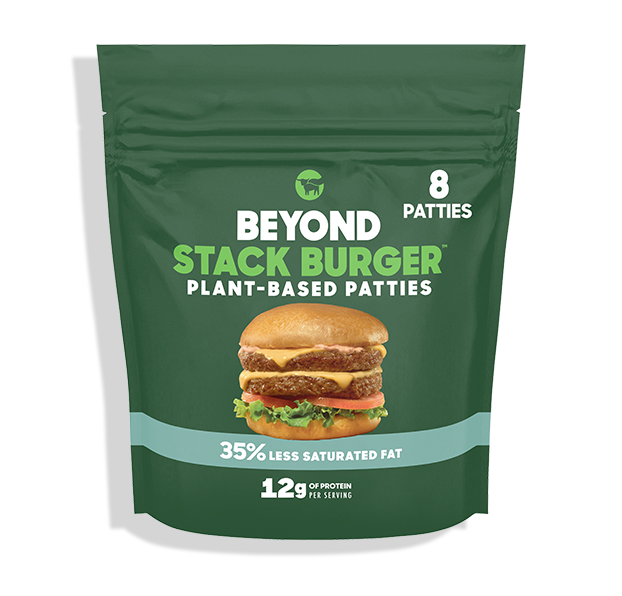
Beyond Meat built its reputation on plant-based burgers designed to mimic beef. Now the company is signaling a broader shift: expanding into plant-based drinks and snack products as it looks beyond the slowing alternative-meat category.
The move reflects a larger industry trend toward functional foods and beverages, but it also introduces new legal considerations. Products marketed for protein, hydration, or wellness benefits must comply with FDA labeling rules and FTC advertising standards, and companies entering these categories must ensure their claims are supported and accurately presented.
Why Is Beyond Expanding Beyond Plant-Based Meat?
Short answer:
Beyond is expanding into plant-based drinks and snacks as the alternative-meat market cools and consumer demand shifts toward functional foods, protein beverages, and convenient plant-based nutrition products.
Beyond Meat spent more than a decade positioning itself as a leader in meat alternatives. Its plant-based burgers, sausages, and chicken substitutes were designed to replicate the taste and texture of animal meat while appealing to consumers seeking plant-forward diets.
But the plant-based meat category has faced several challenges in recent years:
- slowing retail sales growth
- rising production costs
- increasing competition from other alternative protein brands
- consumer skepticism about highly processed meat substitutes.
According to recent reports, the company is exploring or developing new plant-based beverages and snack products, including protein-focused drinks and functional nutrition items. These products align more closely with the rapidly growing markets for:
- protein beverages
- functional drinks
- plant-based snack foods
- nutrition products targeting wellness and performance
For Beyond, the shift represents both a brand repositioning and an entry into categories with different regulatory expectations.
from Plant-Based Burgers to Protein Drinks
Moving from meat alternatives into protein beverages introduces a new set of regulatory requirements, particularly around nutrition claims, labeling, and marketing statements about health benefits.
If Beyond launches plant-based protein drinks—as industry reports suggest—it will enter one of the most heavily scrutinized segments of the food market.
Functional beverages often emphasize ingredients such as:
- plant protein
- electrolytes
- fiber
- vitamins and antioxidants
- nutrients associated with hydration or recovery.
These ingredients are frequently promoted through statements like:
- “high protein”
- “excellent source of vitamins”
- “supports energy”
- “helps with hydration.”
Under FDA food labeling regulations, many of these statements qualify as nutrient content claims or structure/function claims, both of which are subject to strict rules.
For example, if a Beyond beverage were marketed as “high protein,” the product would need to meet FDA thresholds for protein content. If the marketing suggested performance or recovery benefits, the company would also need to ensure the claim is supported by reliable evidence.
This is one reason functional beverage marketing has become a frequent target of consumer lawsuits and regulatory scrutiny.
What “Plant-Based” Really Means on Food Labels
Short answer:
The FDA has not formally defined “plant-based,” but companies—including brands like Beyond—must ensure the claim does not mislead consumers about ingredients, nutrition, or processing.
Beyond built its brand on the idea that plant-derived ingredients can replicate traditional animal products. As the company expands into drinks and snacks, the plant-based label will likely remain a central marketing theme.
However, the term itself is not formally defined in FDA regulations.
This creates both flexibility and risk.
Companies can use the phrase as long as the label is truthful and not misleading, but problems can arise when consumers interpret “plant-based” to mean:
- healthier than conventional products
- minimally processed
- nutritionally superior.
For example, a plant-based protein drink may still contain:
- added sugars
- stabilizers or emulsifiers
- flavoring agents.
If marketing implies a broader health benefit than the product delivers, companies may face challenges under consumer protection laws or food labeling regulations.
Brands like Beyond that are closely associated with health-forward messaging must be particularly careful about how those claims appear on packaging and advertising.
The Legal Side of Protein and Nutrition Claims
Statements about protein levels, vitamins, fiber, or other nutrients must meet specific FDA thresholds and must appear accurately on product labeling.
Protein is likely to be a major selling point if Beyond expands into drinks or functional snacks.
But protein claims are governed by detailed FDA rules.
For example:
- A product labeled “high protein” must contain at least 20% of the Daily Value per serving.
- A “good source of protein” claim requires 10–19% of the Daily Value.
In addition, protein claims often require manufacturers to consider protein quality, which can affect how the nutrient must be reported in the Nutrition Facts panel.
If Beyond markets drinks or snacks as plant protein sources, the company must ensure the labeling accurately reflects both the quantity and quality of the protein provided.
These details may seem technical, but they are a common source of food labeling disputes and litigation.
Functional Snacks Come With Similar Regulatory Challenges
Plant-based snack products that highlight protein, energy, or wellness benefits must follow the same FDA labeling rules that apply to functional beverages.
Beyond’s exploration of plant-based snack products introduces another regulatory layer.
Modern snack products increasingly emphasize benefits such as:
- plant protein
- sustained energy
- workout fuel
- recovery support.
Examples across the industry include:
- protein snack bars
- plant-based chips fortified with protein
- nutrition bites marketed for energy or endurance.
If Beyond enters this segment, it will likely compete in a market where product labels highlight nutrition and functionality as much as taste.
Each of those statements must comply with FDA regulations governing:
- nutrient content claims
- ingredient disclosures
- Nutrition Facts panel requirements
- allergen labeling rules under the Food Allergen Labeling and Consumer Protection Act (FALCPA).
Expanding Into New Food Categories Often Means New Legal Risk
When established brands expand into new product categories, the marketing strategies that worked in one segment may not translate cleanly to another.
Beyond’s potential move into drinks and snacks illustrates a broader pattern in the food industry.
Companies that built their brands around one category—such as meat alternatives—often enter adjacent markets to reach new consumers. But those categories frequently come with different regulatory expectations.
For example:
- beverage marketing tends to emphasize functional benefits
- snack foods often rely on nutrition claims
- protein products attract performance-focused advertising.
Each of these messaging strategies increases the likelihood that regulators or plaintiffs’ attorneys will scrutinize the claims.
For brands with strong health-focused identities, the challenge is ensuring the marketing narrative stays aligned with federal labeling requirements and advertising laws.
How Juris Law Group Helps Food and Beverage Companies Navigate Labeling Risks
Expanding into plant-based drinks and snacks can expose companies to regulatory enforcement and consumer litigation, particularly when products emphasize health, nutrition, or performance benefits.
Juris Law Group advises food and beverage companies on matters including:
- FDA food labeling compliance
- functional beverage marketing claims
- nutrition and protein labeling rules
- advertising substantiation
- regulatory risk assessments for new product launches.
Our attorneys work with brands at every stage—from product development and labeling review to defending against regulatory or consumer challenges.
FAQs
Is Beyond Meat changing its business model?
Beyond is signaling a broader strategy that includes plant-based drinks and snacks, reflecting slower growth in plant-based meat and rising demand for functional foods.
Are plant-based beverage claims regulated?
Yes. Claims about protein, vitamins, hydration, or performance benefits must comply with FDA labeling rules and FTC advertising standards.
Can a plant-based drink claim to be “high protein”?
Only if the product meets FDA thresholds, which require 20% or more of the Daily Value for protein per serving.
Is the term “plant-based” regulated by the FDA?
The FDA has not formally defined the term, but it must still be truthful and not misleading.
Why do functional food claims often lead to lawsuits?
Products that emphasize health or performance benefits must have strong evidence supporting those claims. If the marketing exaggerates the benefits, companies may face consumer protection litigation.