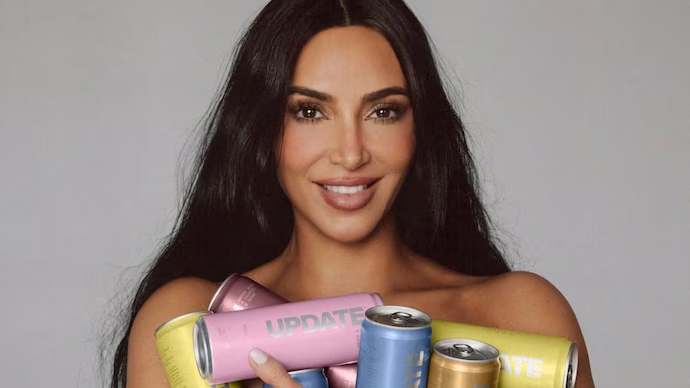
Kim Kardashian has joined functional energy drink brand UPDATE as a co-founder just before its nationwide rollout at Walmart. The announcement places the brand directly into mass retail at scale—an ambitious move in one of the most competitive beverage categories in the U.S.
Beyond the celebrity headline, this launch raises important questions about ingredient positioning, regulatory oversight, and retail execution.
Why Did Kim Kardashian Join UPDATE?
Kim Kardashian joined UPDATE as a co-founder ahead of its March 2026 nationwide Walmart debut. This is structured as an equity role rather than a traditional endorsement, aligning her long-term interests with the company’s growth.
That distinction matters. Equity involvement typically signals deeper participation in brand development, strategy, and consumer positioning. Kardashian has increasingly moved into structured founder roles across her portfolio, favoring ownership stakes over licensing arrangements.
In the beverage space, that level of visibility brings both leverage and scrutiny. When a celebrity is formally attached at the ownership level, regulatory missteps or product controversies carry amplified reputational exposure.
What Is UPDATE and How Is It Positioned?
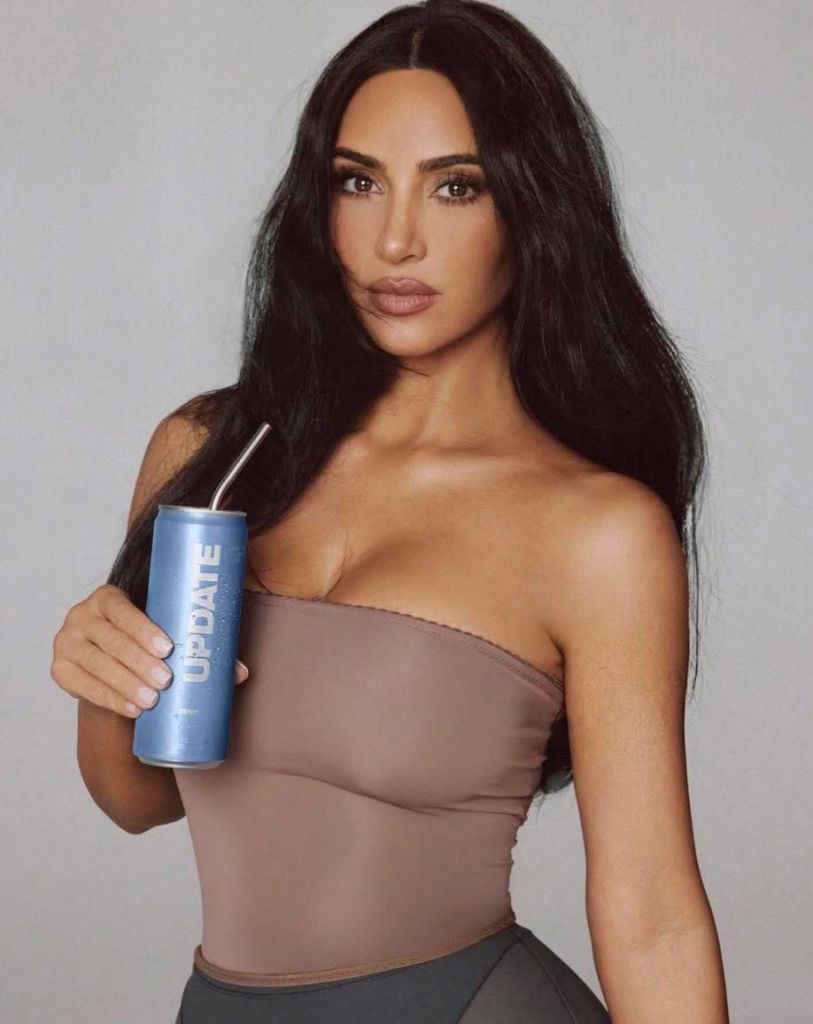
UPDATE is built around paraxanthine, a caffeine metabolite naturally produced by the body after caffeine consumption. The company promotes it as delivering sustained alertness with fewer jitters and less of a crash than traditional caffeine-heavy energy drinks.
Paraxanthine is scientifically recognized as a primary active metabolite of caffeine, but its commercialization in beverages is relatively new. That novelty provides differentiation in a crowded energy market dominated by legacy brands.
It also introduces regulatory considerations.
Functional beverage brands must carefully navigate:
- FDA oversight of novel ingredients
- GRAS (Generally Recognized as Safe) determinations
- Structure/function claims
- FTC standards on advertising substantiation
Marketing language around “no crash” or cognitive performance benefits must be carefully supported. As federal scrutiny of health and performance claims continues to increase, ingredient-driven brands face a higher compliance bar than traditional soda or juice products.
That legal infrastructure is rarely discussed in mainstream coverage but plays a decisive role in long-term viability.
Why Is the Walmart Launch Significant?
UPDATE is launching in more than 4,000 Walmart stores nationwide. For an emerging functional beverage brand, that scale at entry stage is aggressive.
Mass retail distribution signals:
- Strong supply chain readiness
- Investor backing
- Retail buyer confidence
However, Walmart distribution also comes with strict performance expectations. Shelf velocity, repeat purchase rates, and pricing competitiveness determine whether a product maintains placement.
Unlike regional rollouts that allow gradual scaling, nationwide placement creates immediate exposure to performance metrics. Retail buyers monitor sales data closely, and underperformance can lead to rapid de-listing.
This makes consumer education critical. Many consumers are familiar with caffeine but not paraxanthine. Translating ingredient science into retail-level clarity will be central to sustaining sales beyond initial celebrity-driven interest.
Source: Kim Kardashian via Instagram
How Does This Fit Into the Energy Drink Market?
The U.S. energy drink category continues to expand, but consumer preferences are shifting.
Key trends include:
- Low-sugar and zero-sugar formulas
- Nootropic and adaptogen-based blends
- “Clean” energy positioning
- Functional ingredients beyond traditional caffeine
At the same time, the category has historically faced litigation risk, particularly around marketing practices and safety concerns. Energy beverages often receive heightened scrutiny due to stimulant content and youth-targeted advertising concerns.
Brands introducing newer compounds must be precise in labeling, avoid implied disease-treatment claims, and ensure age-appropriate marketing frameworks.
This context shapes how UPDATE will be evaluated—not only by consumers but also by regulators and competitors.
What Are the Strategic Risks and Opportunities?
The opportunity is clear:
- Immediate national visibility through Walmart
- Built-in consumer reach through Kardashian’s platform
- Ingredient differentiation in a saturated category
The risks are equally real:
- Consumer confusion around paraxanthine
- Regulatory examination of functional claims
- Retail underperformance if repeat purchase rates lag
Large-scale launches compress the margin for error. Operational discipline, marketing clarity, and compliance oversight become critical from day one.
The Bigger Picture
Kim Kardashian’s move into UPDATE reflects a broader shift in celebrity entrepreneurship: structured equity ownership tied to operational growth rather than simple branding agreements. This evolution highlights the importance of understanding celebrity influencer collaborations in food licensing, where legal essentials are now vital for long-term brand success.
For UPDATE, the next twelve months will likely hinge less on celebrity visibility and more on:
- Retail performance data
- Consumer education
- Regulatory precision
- Competitive response from established energy brands
If the brand can translate novelty into sustained consumer demand, it may validate paraxanthine as a scalable alternative within the energy segment.
FREQUENTLY ASKED QUESTIONS (FAQs)
Is Kim Kardashian only endorsing UPDATE?
No. She joined as a co-founder with an ownership stake, suggesting long-term strategic involvement rather than a short-term endorsement deal.
What is paraxanthine?
Paraxanthine is a metabolite produced when the body processes caffeine. It is being commercialized as an alternative stimulant ingredient in functional beverages.
When will UPDATE be available nationwide?
UPDATE is launching nationwide at Walmart starting March 2026 in thousands of stores.
Is paraxanthine approved by the FDA?
Ingredients like paraxanthine are typically marketed under GRAS frameworks, but marketing claims remain subject to FDA and FTC oversight.
Why does a Walmart launch matter?
Nationwide Walmart distribution provides immediate scale but also imposes strict performance expectations based on sales velocity and repeat demand.
Our Experience in Functional Beverage & Retail Regulatory Matters
At Juris Law Group, we regularly advise food, beverage, and consumer product companies on ingredient compliance, labeling review, retail risk management, and claim substantiation. Functional beverages, in particular, require coordinated legal oversight across FDA, FTC, and state consumer protection frameworks.
As new compounds enter mainstream retail, disciplined compliance strategies often determine whether growth is sustainable—or short-lived.