
Why did Krispy Kreme sell its Japan operations?
Krispy Kreme agreed to sell its Japan business for approximately $65 million as part of a broader refranchising and debt-reduction strategy. Rather than exiting the market, the company is restructuring how it operates internationally by moving toward a franchise-led model.
The transaction highlights how global food brands are reassessing ownership structures, capital allocation, and regulatory exposure in foreign markets.
What happened in the Krispy Kreme Japan sale?
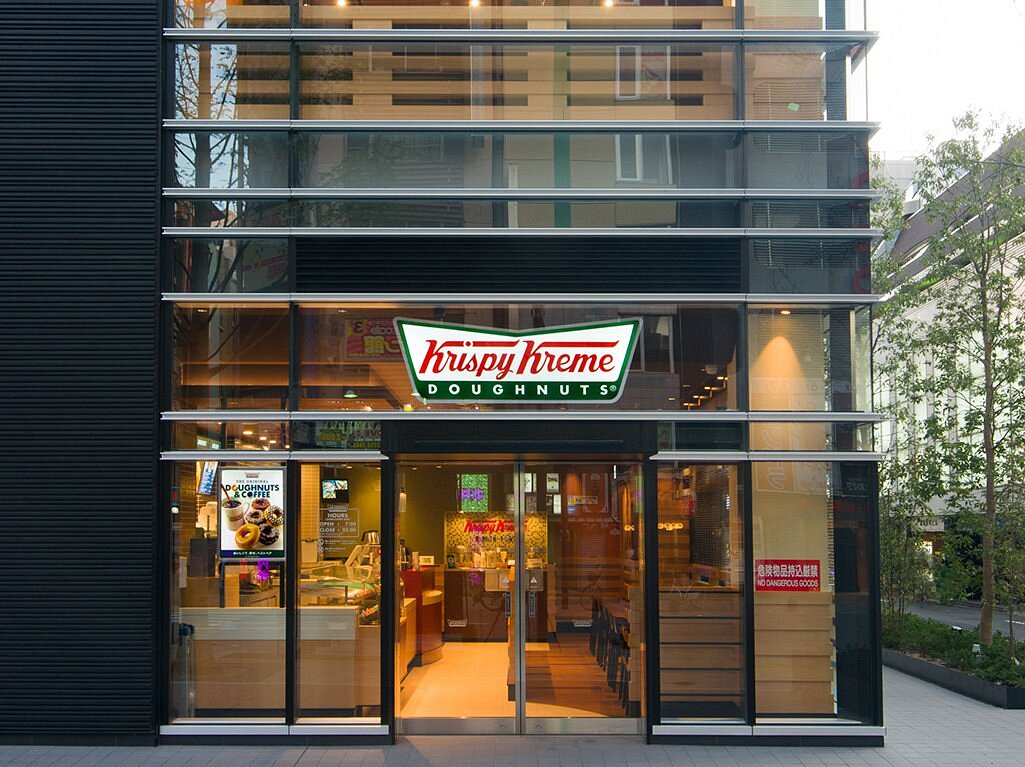
Krispy Kreme announced that it will sell its Japan operations to Unison Capital, a Japan-based private equity firm, in an all-cash transaction valued at roughly $65 million. The deal includes 89 stores and nearly 300 delivery access points across major Japanese cities such as Tokyo and Osaka.
Importantly, Krispy Kreme will continue operating in Japan through a development and franchise agreement with the buyer. The transaction is expected to close in early 2026, subject to customary regulatory approvals.
This structure reflects a classic refranchising model: selling company-owned operations while retaining brand presence, royalty income, and strategic control through contract.
What is refranchising, and why are food brands using it more often?
Refranchising occurs when a brand converts company-owned locations into franchised operations, often by selling an entire regional business to a qualified operator.
In the food and beverage industry, refranchising is increasingly used to:
- Reduce operational and labor exposure
- Improve balance sheets and liquidity
- Shift risk to local operators familiar with market-specific regulations
- Focus corporate resources on brand, IP, and supply chain oversight
For global restaurant brands, refranchising also helps manage cross-border compliance, including employment law, food safety rules, and local consumer protection regimes.
What legal issues does a deal like this raise?
From a legal standpoint, international refranchising transactions like this one are complex and extend far beyond the sale price.
Key legal considerations include:
Franchise and development agreements
The long-term success of a refranchising deal depends on carefully drafted franchise and development agreements that address:
- Territory and expansion rights
- Brand standards and operational control
- Termination and renewal provisions
- Royalty structures and supply obligations
Poorly structured agreements can expose brands to disputes, brand dilution, or regulatory scrutiny.
Food and beverage regulatory compliance
Even after selling operations, brands often remain indirectly exposed to:
- Food safety and labeling regulations
- Advertising and consumer protection laws
- Product sourcing and quality standards
This is especially relevant when franchisors retain approval rights or supply chain involvement.
Intellectual property and brand protection
Refranchising requires precise IP licensing provisions to protect trademarks, trade dress, and proprietary recipes. In cross-border deals, enforcement mechanisms must account for local IP laws and dispute resolution frameworks.
Private equity ownership considerations
When a private equity firm acquires a food business, governance structures, reporting obligations, and exit strategies often differ from traditional franchisees. Agreements must anticipate future resale, recapitalization, or expansion plans.
What does this deal signal for the food industry?
Krispy Kreme’s Japan transaction reflects a broader trend among multinational food brands: separating brand ownership from operational ownership while preserving market presence.
For brands operating internationally, this approach can:
- Improve financial flexibility
- Limit exposure to foreign labor and regulatory risks
- Allow faster market-specific adaptation through local operators
At the same time, it places greater importance on strong legal frameworks to maintain control without day-to-day operations.
How Juris Law Group advises on refranchising and food industry transactions
Juris Law Group regularly advises food and beverage companies, franchise systems, and international brands on:
- Refranchising and restructuring strategies
- Franchise disclosure and compliance obligations
- Cross-border food industry transactions
- Brand licensing and IP protection
- Ongoing outside general counsel support for growth and compliance
Deals like Krispy Kreme’s Japan sale underscore how legal strategy plays a central role in business restructuring, not just execution.
Frequently Asked Questions (FAQ)
Does selling operations mean a brand is leaving a market?
No. In refranchising deals, brands typically remain present through franchise or development agreements while transferring operational responsibility.
Are franchisors still legally exposed after refranchising?
Yes. Depending on the agreement structure, franchisors may retain indirect liability related to brand control, advertising, or supply chains.
Why are private equity firms buying food franchises?
Private equity firms often see strong cash flow potential, brand recognition, and expansion opportunities in established food brands.
Is refranchising common in the restaurant industry?
Yes. Many global restaurant chains are moving toward asset-light, franchise-driven models, particularly in international markets.
Key Takeaway
Refranchising is no longer just a growth strategy. For global food brands, it has become a legal and financial tool to reduce risk, preserve brand value, and adapt to increasingly complex regulatory environments.