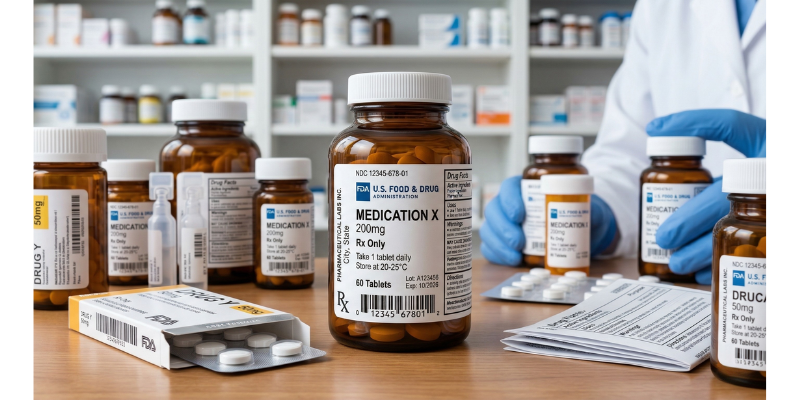
For pharmaceutical manufacturers, an FDA-mandated label update is rarely just a regulatory hurdle—it is a roadmap for plaintiffs’ attorneys. When the FDA identifies a new risk, such as the recent seizure warnings for certain Parkinson’s medications, it creates a “before and after” timeline that litigators use to argue prior knowledge.
Meeting the minimum FDA standards is no longer a “safe harbor” in modern product liability. To mitigate risk, counsel must look beyond 21 CFR compliance and anticipate the “Failure to Warn” theories that follow every safety signal.
The Preemption Myth: Why FDA Approval Won’t Block Your Lawsuit
Many manufacturers operate under the false sense of security that FDA approval of a label provides federal preemption against state law claims. However, the landmark Supreme Court ruling in Wyeth v. Levine established a high bar: unless a manufacturer can prove “clear evidence” that the FDA would have rejected a stronger warning, state-level “failure to warn” claims can proceed.
The Danger Zone: 21 CFR § 314.70 (CBE Supplements)
Under the “Changes Being Effected” (CBE) regulation, manufacturers have the authority—and the duty—to strengthen a warning before receiving FDA approval if they have “newly acquired information.”
- The Risk: If you wait for the FDA to mandate a change, plaintiffs will argue you sat on “newly acquired information” for months or years.
- The Litigation Trigger: A mandated update is often viewed by courts as an admission that the previous label was “inadequate.”
3 Hidden Litigation Triggers in Post-Market Surveillance
Litigation risks usually hide in the delta between when a signal appears in post-market data and when the label actually changes.
| Risk Factor | Why it Triggers Litigation |
| RWE (Real-World Evidence) | Plaintiffs use Signal Detection software to find adverse events in FAERS before the manufacturer reports them. |
| Delayed “Dear Doctor” Letters | If a label changes but clinical outreach lags, it creates a “failure to inform” window for prescribing physicians. |
| Off-Label Marketing | If a new warning affects a population where the drug is frequently used off-label, it invites “Consumer Protection Act” (UCL/CLRA) class actions. |
Tactics to Narrow the “Window of Liability”
To defend against the “should have known” argument, legal and regulatory teams must be synchronized.
- Audit the “Signal-to-Action” Timeline: Document exactly when a safety signal reached the threshold of “scientifically significant.” This is your primary defense against punitive damages.
- The “Fair Balance” Audit: Immediately scrub all Digital Sales Aids (DSAs) and TV spots. The FDA’s Office of Prescription Drug Promotion (OPDP) is increasingly aggressive toward “laggard” advertising that hasn’t caught up to new Black Box or Warning sections.
- Proactive Labeling Strategy: If signal detection suggests an emerging risk, consider a voluntary CBE supplement. It is often cheaper to defend a proactive label change than to defend a five-year delay.
Defending Complex Life Sciences Litigation
At Juris Law Group, we approach labeling risk the way plaintiffs’ firms do—by focusing on timelines, internal decision-making, and what the company “should have known” before a label change ever occurred.
Our team works at the intersection of FDA regulation and product liability, helping manufacturers build a defensible record long before litigation begins. That includes evaluating CBE strategy, stress-testing post-market surveillance systems, and identifying gaps between safety signals and regulatory action that plaintiffs routinely exploit.
We don’t treat compliance as the finish line. We treat it as the starting point for litigation readiness. From preemption strategy under Albrecht to proactive warning decisions, we help clients reduce exposure before it escalates into mass tort proceedings.
FAQ
Does FDA compliance protect a drug manufacturer from being sued?
Not automatically. Under the Wyeth v. Levine precedent, a company can still be sued under state law for “failure to warn” if they had the power to strengthen their label via a CBE supplement but failed to do so.
What is “newly acquired information” in FDA litigation?
It refers to data revealing new risks or increased frequency/severity of known risks that were not analyzed during the original NDA approval. This can include clinical trials, adverse event reports, or peer-reviewed literature.
How does a label update impact pending product liability cases?
A label update can serve as “subsequent remedial measure” evidence in some jurisdictions, or more dangerously, as a “triggering event” that alerts thousands of potential plaintiffs to a specific side effect, leading to MDL (Multi-District Litigation) formation.