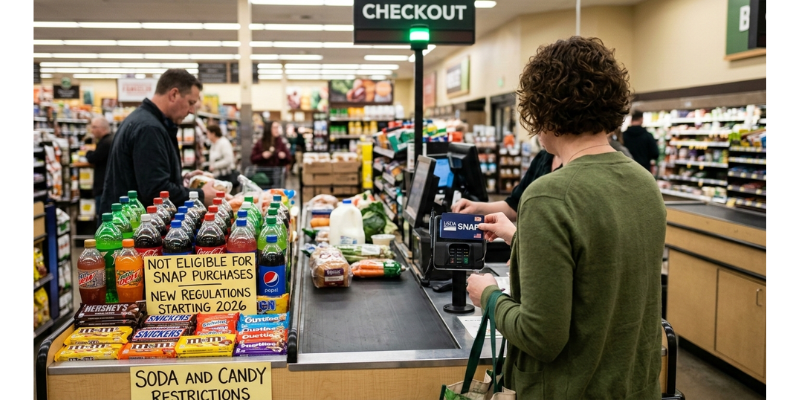
Several states are moving forward with new restrictions on foods eligible for purchase with SNAP benefits, signaling a shift in how the federal program may operate in the coming years. Beginning in 2026, the first wave of approved waivers will take effect, while other states have submitted requests to limit sugary drinks, candy, and energy drinks.
For food retailers, convenience stores, and grocery chains, these state-level waivers create new compliance obligations that differ by jurisdiction. Businesses participating in SNAP should review upcoming restrictions carefully to avoid enforcement actions from the U.S. Department of Agriculture (USDA).
Which SNAP Food Restrictions Are Taking Effect in 2026?
Beginning in April 2026, several states will implement USDA-approved waivers limiting certain products that can be purchased with SNAP benefits.
These restrictions follow a 90-day retailer grace period that began January 1, 2026.
Indiana
Indiana’s waiver restricts the purchase of:
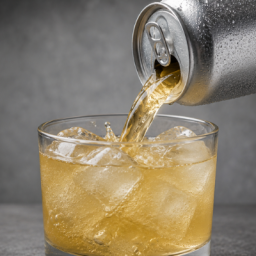
- Soft drinks
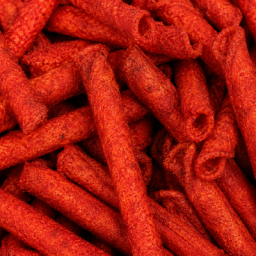
- Candy
The state has issued retailer guidance addressing frequently questioned items such as granola bars, snack foods, and sweetened beverages, which may fall into grey areas depending on formulation and labeling.
Iowa
Iowa’s approach links SNAP restrictions to state tax classifications.
Items restricted include foods that the Iowa Department of Revenue considers taxable, such as:
- Soda
- Candy
- Vitamins and minerals
- Chewing gum
Because the rule relies on the tax code rather than product categories alone, retailers should carefully review Iowa’s taxable foods list to determine eligibility.
Nebraska
Nebraska’s waiver restricts SNAP purchases of:
- Soda
- Soft drinks
- Energy drinks
Retailers should note that energy drink classification may depend on how the product is labeled, particularly whether it is marketed as a beverage versus a dietary supplement.
Utah
Utah restricts SNAP purchases of soft drinks, defined as:
carbonated, flavored beverages sweetened with sugar or artificial sweeteners.
Because the rule focuses specifically on carbonated beverages, other sweetened drinks such as certain sports drinks may fall outside the restriction.
Which States Are Proposing New SNAP Restrictions After 2026?
Several additional states have submitted waiver requests that could expand SNAP food restrictions further.
These proposals are still pending USDA review.
Nevada
Nevada has requested authorization to restrict purchases of:
- Sugary drinks
- Energy drinks
- Candy that is 100% sugar
The proposal would take effect in 2028.
The state also requested permission to allow SNAP purchases of hot foods, such as rotisserie chicken—an item that the program currently prohibits.
If approved, Nevada would test a model that restricts certain products while expanding access to prepared foods.
Mississippi
Mississippi submitted a proposal focused on hot prepared foods, specifically requesting permission to allow SNAP recipients to purchase hot prepared chicken.
To date, USDA has not approved any waiver allowing hot prepared foods, so the request remains pending.
Wyoming
Wyoming has proposed a phased implementation of SNAP restrictions, the first of its kind.
The proposal would:
Year 1: restrict sweetened carbonated beverages
Year 2: restrict candy
This staggered rollout would allow retailers and state agencies to adjust systems gradually before broader restrictions take effect.
What Compliance Rules Did USDA Issue for SNAP Waivers?
In December 2025, USDA’s Food and Nutrition Service issued a policy memo outlining how retailers must comply with state SNAP waiver programs.
The memo clarifies both the implementation timeline and enforcement process.
90-Day Grace Period for Retailers
Retailers affected by a state waiver receive a 90-day grace period following the state’s implementation date.
During this period, businesses are expected to:
- Update point-of-sale systems
- Adjust eligible product databases
- Train staff on restricted items
Enforcement actions typically begin after the grace period ends.
Two-Strike Enforcement Policy
USDA will use a two-strike compliance approach.
First violation
- Warning letter issued to the retailer.
Second violation
- Possible involuntary withdrawal from the SNAP program.
Retailers may request an administrative review, which pauses withdrawal while the appeal is considered.
Because SNAP authorization is essential for many grocery and convenience retailers, even a single compliance warning should be treated seriously.
How Can Retailers Reduce SNAP Compliance Risk?
Retailers operating in states with SNAP waivers should take several steps to reduce regulatory exposure.
1. Review State-Specific Product Lists
Each state defines restricted products differently. Retailers should consult:
- state SNAP guidance pages
- state tax classifications
- USDA waiver documents.
2. Update POS Eligibility Databases
Point-of-sale systems must reflect restricted items so SNAP transactions cannot process them.
Failure to update POS databases is one of the most common sources of SNAP compliance violations.
3. Train Store Employees
Cashiers and store managers should understand:
- which products are restricted
- how SNAP transactions should be handled
- when to escalate questions.
4. Monitor Product Reformulations
Product reformulation or relabeling can affect eligibility.
For example, a beverage classified as a dietary supplement rather than a beverage may fall outside certain restrictions.
Retailers should periodically review SKU eligibility.
Why These SNAP Changes Matter for Food and Beverage Companies
Although the waivers apply directly to SNAP retailers, they also affect manufacturers and brand owners.
Product categories targeted by restrictions—such as soda, candy, and energy drinks—represent billions in annual sales.
Manufacturers should monitor:
- how states define restricted categories
- labeling implications for beverages
- potential expansion of waivers to additional states.
If more states adopt similar policies, the rules could reshape how certain products are marketed and distributed in SNAP-heavy retail channels.
Regulatory and Retail Compliance Experience at Juris Law Group
Juris Law Group advises food, beverage, and consumer packaged goods (CPG) companies nationwide on regulatory compliance, labeling rules, and enforcement risk.
Our attorneys regularly assist clients with:
- FDA labeling compliance
- regulatory risk assessments
- retailer compliance policies
- advertising and consumer protection exposure.
As states experiment with SNAP waiver programs and other food policy initiatives, businesses benefit from early legal review of regulatory developments and their operational impact.
Frequently Asked Questions
When do the new SNAP restrictions take effect?
The first state waivers will take effect in April 2026 following a 90-day retailer grace period that began January 1, 2026.
Which states currently restrict SNAP purchases of soda or candy?
Beginning in 2026, Indiana, Iowa, Nebraska, and Utah will restrict certain beverages, candy, or other products from SNAP eligibility.
Can SNAP benefits be used to buy hot prepared foods?
Generally, no. SNAP prohibits hot prepared foods, although Nevada and Mississippi have proposed waivers that would allow certain hot foods if approved by USDA.
What happens if a retailer sells restricted items to SNAP customers?
USDA uses a two-strike enforcement system. The first violation typically results in a warning letter, while repeated violations may lead to removal from the SNAP program.
Could more states adopt SNAP food restrictions?
Yes. Several states have already submitted waiver requests, and federal officials have indicated that additional waiver applications are expected in the coming years.