Why ZOA Energy Ended Up in a False Advertising Lawsuit
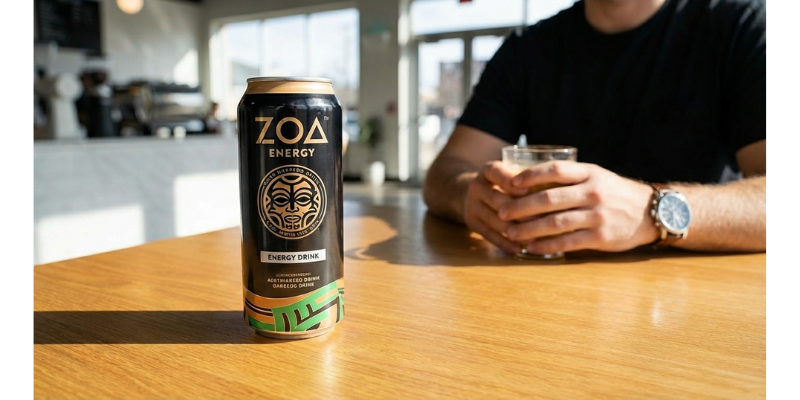
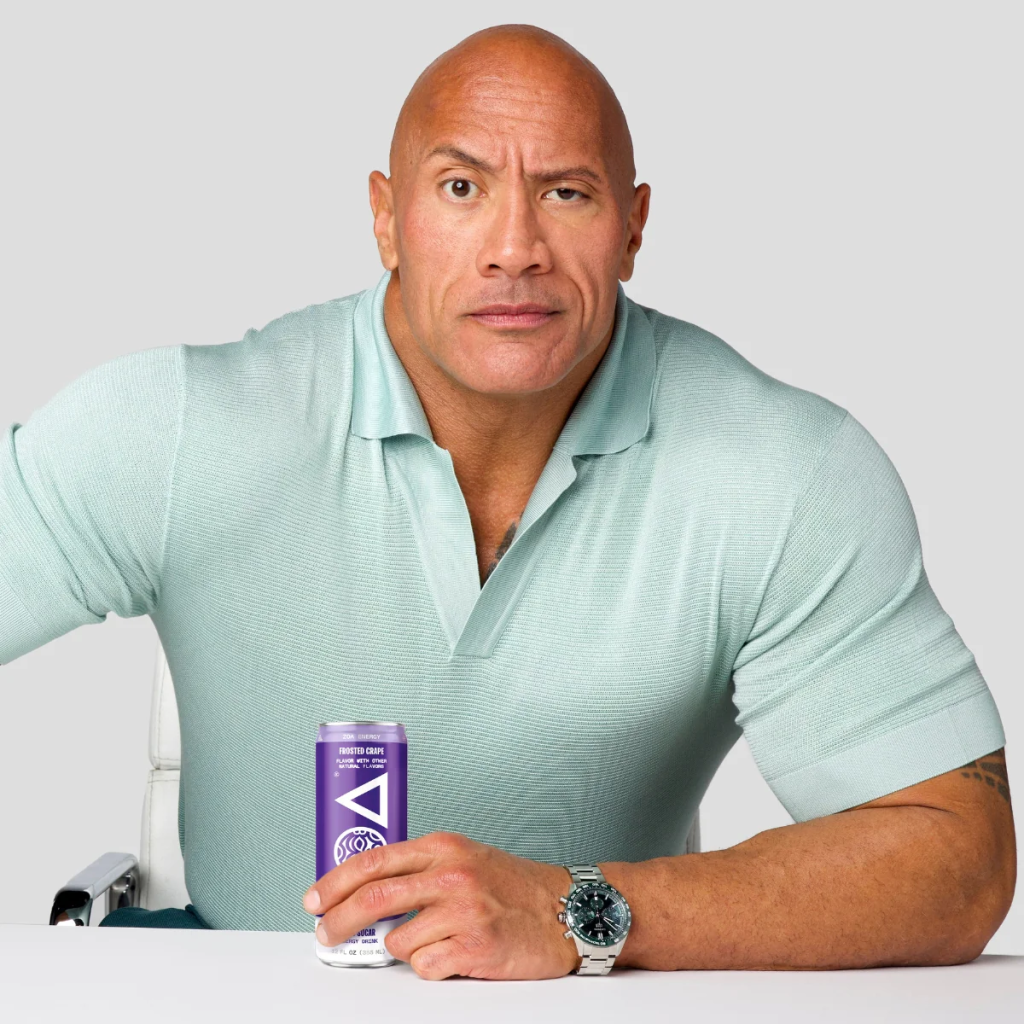
ZOA Energy, the energy drink brand co-founded by Dwayne “The Rock” Johnson, has agreed to a $3 million class-action settlement resolving claims that its “0 preservatives” marketing misled consumers. The company denies any wrongdoing and says its labeling complied with the law.
The case follows a familiar pattern in food and beverage litigation: plaintiffs argued that while the ingredient list was accurate, the front-of-label marketing told a different story than the product itself.
What Consumers Actually Alleged Was Misleading
The lawsuit focused on ZOA’s use of the phrase “0 preservatives.” According to the complaint, the drinks contained citric acid and ascorbic acid — ingredients that plaintiffs claim can function as preservatives by slowing degradation and extending shelf life.
The legal dispute wasn’t about safety or undisclosed ingredients. It was about whether an average consumer would reasonably understand “no preservatives” to mean no ingredients serving a preservative role at all.
That distinction — between technical classification and functional use — is where many brands get into trouble.
Why This Argument Keeps Surviving in Court
One detail missing from much of the coverage is why these cases so often survive early dismissal.
Courts don’t ask whether a food scientist would consider an ingredient a preservative. They ask whether ordinary shoppers could plausibly feel misled by the claim.
Under state consumer protection laws, especially in California, plaintiffs only need to show that a claim could deceive a reasonable consumer — not that it always does.
That low threshold is why “clean label” terms like:
- “no preservatives”
- “all natural”
- “nothing artificial”
continue to generate litigation, even when ingredient lists are accurate.
The Regulatory Gray Area Brands Rely On — and Plaintiffs Exploit
FDA regulations don’t always draw bright lines. An ingredient’s classification often depends on its intended technical effect, not just its name.
That creates a gray area:
- Brands rely on ingredient categories.
- Plaintiffs argue functional use.
- Courts focus on consumer interpretation.
The result is a steady stream of lawsuits that rarely accuse companies of fraud — but still create expensive legal exposure.
What the ZOA Settlement Includes
Under the proposed agreement:
- ZOA will fund a $3 million settlement pool
- Consumers may receive:
- Up to $150 with proof of purchase
- Up to $10 without receipts
- Eligible purchases span March 2021 through November 2025
- ZOA admits no liability
A final approval hearing is scheduled for March 26, 2026.
Celebrity Branding Adds Another Layer of Risk
Celebrity-backed brands face a subtle but real challenge: consumer trust is part of the product.
Courts recognize that endorsements can shape purchasing decisions, which can strengthen arguments that marketing claims mattered. That doesn’t make celebrities personally liable — but it does increase scrutiny of how claims are framed.
In practice, that means marketing language tied to personal reputation leaves less room for ambiguity.
Why Companies Settle These Cases Without Admitting Fault
Settlements like this are rarely about conceding deception. They’re about cost, risk, and uncertainty.
False advertising class actions are expensive to litigate, unpredictable, and difficult to resolve early — especially when claims hinge on consumer perception. For many brands, settlement is a business decision, not a legal confession.
What Beverage Brands Should Take From This Case
The lesson isn’t “don’t use citric acid.” It’s that absolute claims invite absolute scrutiny.
From a legal risk standpoint:
- Marketing language matters as much as ingredient lists
- “Zero” and “none” claims are frequent litigation triggers
- Functional ingredient use should be reviewed before launch, not after a lawsuit is filed
At Juris Law Group, we regularly help brands assess labeling and advertising claims before they become legal liabilities — particularly in highly competitive consumer markets.
Does the Settlement Mean ZOA’s Labels Were Illegal?
No. The settlement expressly states that ZOA denies all allegations and admits no wrongdoing.
But it does underscore a broader reality: what regulators allow and what plaintiffs challenge are not always the same thing.
Frequently Asked Questions
Was Dwayne Johnson personally sued?
No. The lawsuit targeted the company, not Johnson individually.
Are citric acid and ascorbic acid always preservatives?
No. Their classification depends on how they function in the product — which is precisely why these cases arise.
Can consumers still file claims?
Yes, if they meet eligibility requirements and submit claims by the stated deadline.
Key Takeaway
The ZOA Energy settlement underscores a recurring risk for food and beverage brands: even technically accurate ingredient lists may not protect against false advertising claims if front-label marketing overpromises. Absolute phrases like “no preservatives” are judged by how consumers understand them—not by internal formulations—making precision in marketing language a legal necessity, not a branding choice.